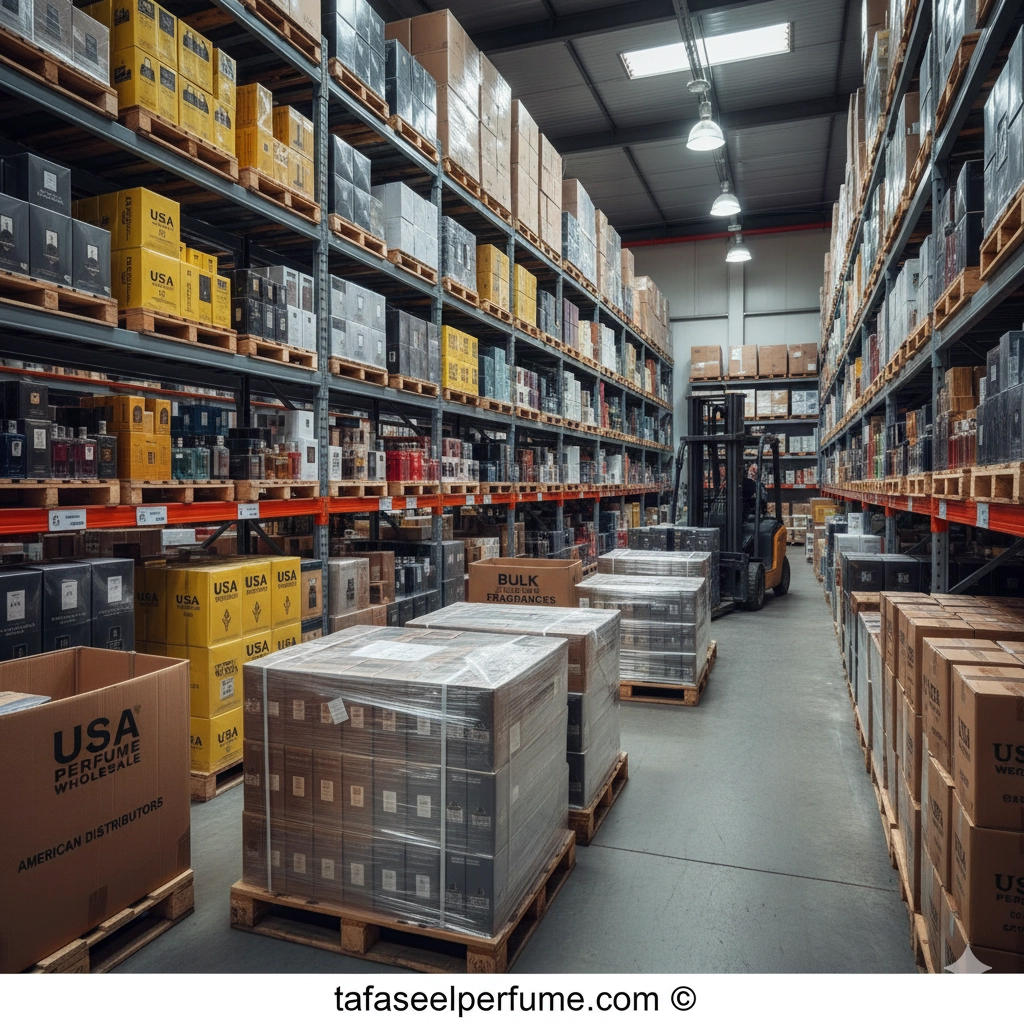
- USA Perfume Wholesale: Your Complete Guide to Sourcing, Pricing, and Scaling a Fragrance Business: Short intro: Discover practical strategies for buying perfume wholesale in the USA — from authentic suppliers and pricing tactics to compliance and margin optimization.
Long intro: The USA perfume wholesale market blends heritage fragrance houses, niche indie brands, and mass-market players into a competitive distribution ecosystem. Whether you are a small retailer, an e-commerce entrepreneur, or a distributor looking to scale, success depends on reliable sourcing, intelligent inventory management, clear labeling and compliance, and marketing that converts scent into sales. This guide covers the entire procurement-to-retail pathway: how to evaluate suppliers, negotiate terms, calculate landed cost, manage samples and returns, meet US regulatory requirements, and build wholesale relationships that protect margins while reducing risk. Along the way you will find tactical checklists and answers to frequently asked questions designed for practical implementation.
1. Finding Reliable USA Perfume Wholesalers — quick description: Where to look, verification steps, and red flags to avoid.
2. Authenticity & Brand Authorization — quick description: How to confirm authenticity and secure authorization agreements.
3. Pricing, MOQ, and Negotiation Tactics — quick description: Setting landed cost, negotiating minimum order quantities, and payment terms.
4. Compliance, Labeling & Safety Data — quick description: Regulatory requirements, ingredient transparency, and MSDS handling.
5. Shipping, Warehousing & Inventory Management — quick description: Best practices for freight, duties, returns and stock rotation.
6. Marketing Wholesale Perfume: Channels & Merchandising — quick description: Trade shows, marketplaces, and retail merchandising for fragrance.
7. Risk Management & Contracts — quick description: Key contract clauses, insurance, and dispute prevention.
1. Finding Reliable USA Perfume Wholesalers
Finding trustworthy perfume wholesalers in the United States requires disciplined sourcing and verification. Start with industry directories, trade shows, and verified B2B marketplaces. Trade associations and trade show exhibitor lists (for events such as regional beauty expos) provide curated leads that often include distributor contact details and brand authorizations. When you find a candidate supplier, ask for:
— Business credentials: legal business name, EIN, address, and DUNS number if available.
— Brand authorization: written proof that they are an authorized distributor for the brands they sell.
— Sample policy & returns: defined sample pricing, return windows, and restocking conditions.
— Customer references: contact details for a few active retail customers and their permission to speak with you.
Perform identity and reputation checks: search for complaints, review Better Business Bureau records, and request invoices that show legitimate brand SKUs. If a deal looks “too cheap,” investigate: extreme discounts can indicate grey-market or counterfeit product. For initial orders, insist on small pilot runs and verify product serial numbers, batch codes, and packaging quality. Finally, build redundancy: maintain at least two supplier sources for any critical SKU to avoid stockouts or sudden delisting risks.
CreedPerfume: Discover the Legacy, Luxury, and Lasting Impact of an Iconic F
2. Authenticity & Brand Authorization
Protecting authenticity is paramount in perfume wholesale. Counterfeits damage brand equity and expose you to liability. Always obtain a written resale or distribution agreement from the brand or their appointed US distributor. Key clauses to request include territory limits, authorized channels, and approved SKUs. Verify packaging details against the brand’s official checklist: batch codes, lot numbers, UPC/EAN, holograms, and box stamping. For prestige brands, many houses maintain a distributor registry—use it to confirm your supplier.
When doubt remains, use independent lab testing for critical SKUs: gas chromatography–mass spectrometry (GC-MS) can compare fragrance profile against a verified sample. Keep a documented chain of custody for samples and signed statements from suppliers that goods are genuine. Finally, incorporate authenticity checks into your receiving process: trained quality inspectors, photographic recordkeeping on receipt, and a secure quarantine procedure for suspect shipments.
Top Perfumes Deals You Should Not Miss in 2025
3. Pricing, MOQ, and Negotiation Tactics
Wholesale pricing for perfume must be calculated against a clear landed cost model. Landed cost = supplier unit price + domestic freight + customs duties (if imported) + insurance + handling + warehousing + allocated returns/reserves + shrinkage allowance. Target a minimum gross margin that aligns with your channel: specialty boutiques often aim for 50–60% markup, while online retailers may accept lower margins offset by higher turnover.
Minimum Order Quantities (MOQs): Many suppliers enforce MOQs. Negotiate smaller MOQs for new SKUs by offering higher per-unit pricing, committing to periodic reorders, or sharing marketing funds (co-op). If you lack volume, propose a trial purchase or consignment arrangement where stock is billed only after sale.
Payment terms and incentives: Aim for net-30 to net-60 when possible. Offer early payment in exchange for a small discount, or request payment via ACH to reduce fees. Also negotiate promotional allowances, free display units, or marketing support to improve sell-through without increasing unit cost.
Discovering the Essence of Luxury: A Complete Guide to Coach Perfume
4. Compliance, Labeling & Safety Data
The US perfume market is subject to product safety and labeling requirements. Perfumes are regulated as cosmetics by the FDA, which means you must ensure product safety and truthful labeling. Required elements commonly include the INCI (International Nomenclature of Cosmetic Ingredients) or ingredient listing, net quantity of contents, manufacturer/distributor identification, and appropriate warnings when allergens are present.
SDS / MSDS: Obtain Safety Data Sheets (SDS) for each fragrance compound and finished product. These documents support handling, storage, and emergency response procedures and are essential for B2B transactions, freight carriers, and warehousing partners.
PIF & recordkeeping: Maintain product information files that document formulation, stability data, microbial testing (when relevant), and manufacturing traceability. For private label work, ensure your contract manufacturer provides full disclosure and indemnity for compliance failures.
Understanding the Levels of Perfume: A Complete Guide
5. Shipping, Warehousing & Inventory Management
Efficient logistics underpin profitable wholesale operations. Choose freight carriers experienced with fragrances (flammable liquids classification may apply for some concentrates) and confirm their ability to handle temperature-sensitive shipments if required. Where imported items are concerned, calculate customs duties and partner with customs brokers to avoid unexpected fees.
Warehousing: Use climate-controlled storage for premium fragrances to preserve fragrance integrity. Implement FIFO (first in, first out) or FEFO (first expired, first out) depending on shelf-life considerations. Maintain drop-ship capabilities if you serve direct-to-consumer brands and offer split shipments for marketplace orders.
Inventory metrics: Track days of inventory on hand, turnover rate by SKU, and sell-through percentage by channel. Use these metrics to inform reorder points and safety stock. Consider vendor-managed inventory (VMI) for high-volume SKUs to reduce carrying costs.
Discover the Alluring Scent of Joop Homme Deodorant Spray
6. Marketing Wholesale Perfume: Channels & Merchandising
Wholesale success is not only about price — it’s about presentation and channel strategy. Identify the best channels for each fragrance: prestige boutiques, national chains, online marketplaces, subscription boxes, or gift and specialty stores. For each channel, build merchandising packages that include point-of-sale displays, tester bottles, product images, and copy that communicates the fragrance story.
Trade shows & buyer meetings: Attend relevant trade shows to introduce lines, secure initial orders, and build relationships. Prepare sell sheets, MOQ options, and co-op marketing proposals tailored to buyer types.
Digital presence: Provide high-quality product photography, accurate descriptions, and sample program details. Consider gated access to wholesale pricing on your site with a clear application process and resellers’ terms to manage channel conflict.
How Much Should You Expect to Pay for Oud Perfume?
7. Risk Management & Contracts
Solid contracting reduces disputes and financial exposure. Key contract items include payment terms, delivery incoterms, warranty for authenticity, returns and reclamation, exclusivity and territory limits, and IP indemnity. Include force majeure clauses and define dispute resolution mechanisms (mediation followed by arbitration is common).
Insurance: Carry product liability and product recall insurance. Verify that your suppliers maintain appropriate insurance and request certificates of insurance when dealing with high-value brands.
Contingency planning: Maintain alternative suppliers, set aside a reserve fund for returns and product issues, and document recall procedures. These measures protect cashflow and reputation if a product quality or compliance problem arises.
Club de Nuit Intense Man 200ml — The Definitive Guide to the 200ml Icon
FAQs — USA Perfume Wholesale
Q1: How do I verify that a US perfume wholesaler is authorized to sell a specific brand?
A1: Request a written authorization or distribution agreement from the brand or the brand’s official US distributor. Cross-check the supplier’s details against the brand’s published distributor list, and ask the supplier for recent invoices showing legitimate SKUs and batch codes. Where possible, contact the brand directly for confirmation.
Q2: What are typical minimum order quantities (MOQs) for perfume wholesale?
A2: MOQs vary widely by brand and SKU. Mass-market lines may offer low MOQs (dozens), while prestige or niche brands often require higher MOQs (hundreds). Negotiate pilot orders, consignment, or higher per-unit pricing to secure smaller initial quantities.
Q3: Are perfumes subject to special shipping restrictions in the USA?
A3: Some fragrance components are classified as flammable or hazardous; therefore, carriers may have specific handling rules and documentation requirements. For international shipments, verify classification and required documentation with your freight forwarder and customs broker.
Q4: What labeling and documentation must I keep for wholesale perfumes?
A4: Maintain product labels with ingredient disclosures (INCI), net content, and manufacturer/distributor contact. Keep Safety Data Sheets (SDS) and product information files documenting formulation and safety testing. Retain invoices and certificates of authenticity for traceability.
Q5: How should I price wholesale perfume to ensure profitability?
A5: Build a landed cost model that includes supplier price, shipping, duties, insurance, warehousing, handling, and an allowance for returns. Set gross margin targets appropriate to your channel — typically 40–60% for brick-and-mortar, slightly lower for high-volume online channels — and price accordingly.
Q6: Can I import perfumes and resell them wholesale in the USA?
A6: Yes, but you must ensure the products comply with US regulations, including proper labeling and ingredient transparency. Work with a customs broker, pay applicable duties, and confirm that you are not infringing any distribution agreements or brand restrictions.
Q7: What are best practices for managing returns and product defects?
A7: Define a clear returns policy with your suppliers that allocates responsibility for manufacturing defects vs. buyer error. Inspect inbound shipments immediately and document nonconformities with photos and written reports. Maintain a small reserve fund for returns and consider third-party refurbishment or repackaging options where appropriate.
Daisy Original Perfume: A Complete Guide to Its Charm and Floral Identity
Closing note: The USA wholesale fragrance market rewards diligence. Focus on supplier verification, accurate landed cost accounting, regulatory compliance, and channel-specific merchandising to build a resilient and profitable perfume wholesale business.
Why Is Lancôme Idôle Perfume Considered a Modern Icon?


