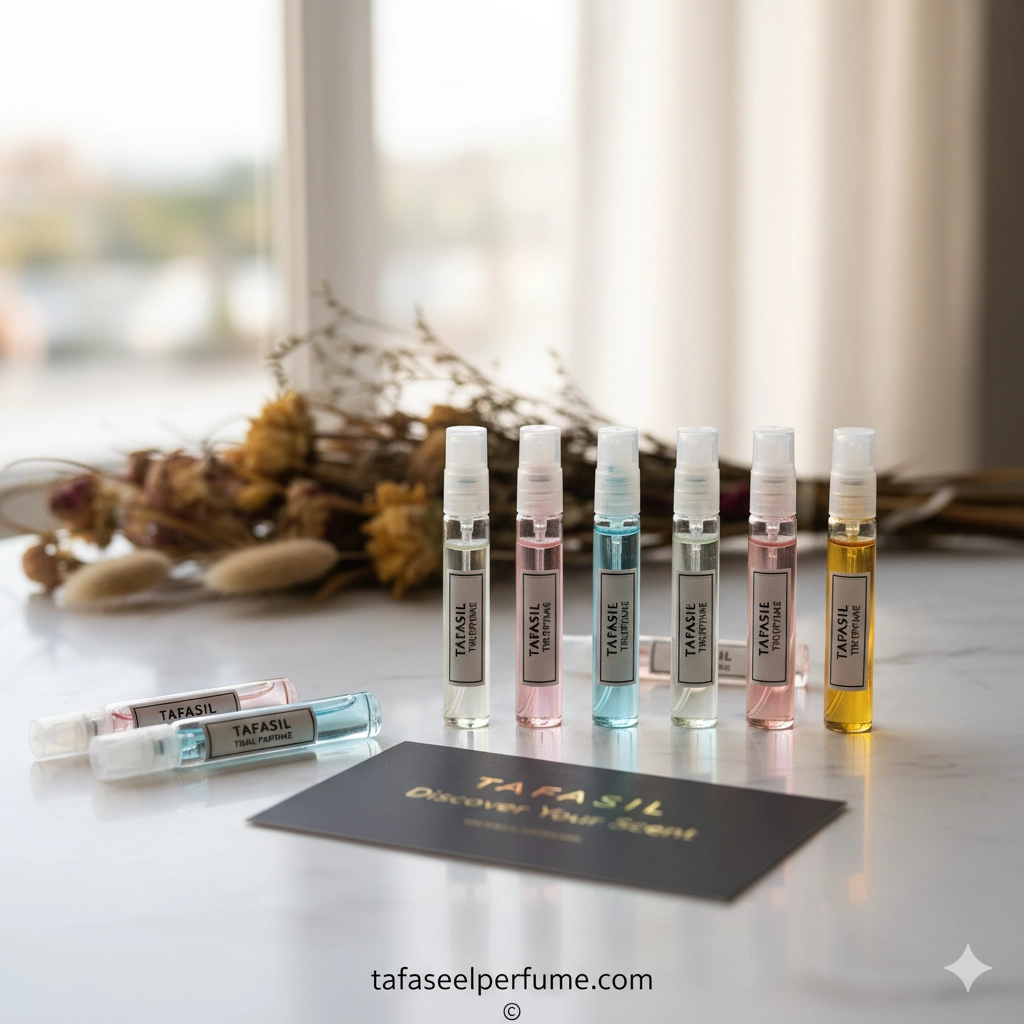
- Trial Perfume: How to Test Fragrances Like a Pro: Short intro: Trial perfumes — samples, decants, or miniatures — are the smartest, most cost-effective way to discover scents that suit your skin, style, and life. They let you test longevity, sillage, and development before committing to a full bottle.
Long intro: Buying a full bottle of perfume without trying it first is a gamble: scent reacts with your skin chemistry, a fragrance's heart may surprise you, and longevity varies widely by concentration and formulation. Trial perfumes remove that risk. A proper trial routine teaches you to evaluate top, heart, and base notes across hours; to judge projection versus personal closeness; and to decide if a scent complements your wardrobe and occasions. Whether you choose a perfume sample from a retailer, a decanting service, or a mini-size from a brand, learning how to test methodically will save money and help you build a meaningful fragrance wardrobe. For quick reading about strengths and concentrations, see this resource: https://tafaseelperfume.com/articles/understanding-the-perfume-strengths-chart-which-concentration-suits-you-best-
Section intro: Below are 7 practical topics to guide your trial perfume journey — from where to get reliable samples to how long to test them and how to make fair comparisons. Each heading that follows is a full, in-depth exploration.
1. Section 1 — What is a trial perfume and why it matters
2. Section 2 — Where to source authentic samples and decants
3. Section 3 — How to test a perfume properly (step-by-step)
4. Section 4 — Comparing scents fairly: blind testing and note journals
5. Section 5 — How long should you trial a fragrance before buying
6. Section 6 — Budget-friendly strategies: decants, discovery sets, and swaps
7. Section 7 — Building a lasting collection from trials
What is a trial perfume and why it matters
A trial perfume usually refers to a small sample, vial, or decant that contains enough fragrance to wear across several occasions and time periods. Trial sizes can be provided by brands (sample vials or minis), retailers (discovery sets), third-party decanting services, or fragrance communities that swap experiences. The core value of trials is experiential: perfumes evolve across time — the top notes can disappear in 10–30 minutes, the heart emerges for hours, and the base lingers long after. By using trials you get to test a scent on your skin through its full life cycle and in real-world situations (office, outdoors, evening). This reduces buyer's remorse and helps you learn your preferences: do you gravitate toward bright citrusy openings, creamy florals, or smoky amber bases? For more on why authentic samples are valuable, see: https://tafaseelperfume.com/articles/why-are-authentic-perfume-samples-the-best-way-to-discover-your-signature-scent-
Where to source authentic samples and decants
Reliable sources matter: counterfeit or low-quality samples give a distorted impression of a fragrance. Start with brand counters and official retailer discovery sets — they are the most trustworthy. For niche houses, sample programs or miniatures are often available directly from the brand's site. Decanting services and trusted community sellers can be a good option for rare or discontinued bottles, but always look for verified reviews and clear photos. Explore curated editorial resources and brand roundups to find reputable sellers; a helpful destination for brand overviews is: https://tafaseelperfume.com/articles/bharara-website-the-ultimate-destination-for-luxury-fragrance-enthusiasts
How to test a perfume properly (step-by-step)
Testing perfume properly is a skill. First, avoid testing more than three to four fragrances in a single session — olfactory fatigue blunts your ability to differentiate. Use blotters for initial impressions, then try the most promising candidates on clean skin (inner wrist or inner elbow) and let them breathe. Record time markers: initial spray (0–15 minutes), heart (1–3 hours), and dry-down (4+ hours). Avoid strong foods, coffee, or smoking before testing. Keep a scent journal with date, time, weather, where you wore it, and your reaction. Over multiple days, wear a sample in different environments — what performs in air-conditioning may vanish outdoors. If you're exploring concentrations or mens/womens/unisex ranges, the site overview here provides helpful category pages to compare options: https://tafaseelperfume.com/unisex-perfume/
Comparing scents fairly: blind testing and note journals
To avoid bias, blind testing is powerful: have a friend label samples with numbers, or use anonymous decant vials. Smell a control (clean cotton) between each sample, and take short breaks. A notes journal prevents relying on memory; write down how a perfume makes you feel, which notes you detect, and the occasions it would suit. If you want to dive into genre and top-rated choices that often appear in discovery sets, consult lists like: https://tafaseelperfume.com/articles/top-high-rated-cologne-picks-discover-the-scents-everyone-loves
How long should you trial a fragrance before buying
There’s no absolute rule, but a sensible minimum is to wear a sample across at least two different days and for a full workday (6–8 hours) once. That reveals consistent longevity and how the scent interacts with different activities and climates. For perfumes with complex or slow-developing bases it’s smart to trial across several days and evenings. If you’re unsure about concentration differences (e.g., eau de toilette vs parfum) comparing a decant of each can show whether the higher concentration justifies the price. Helpful guides on concentration and choosing the right strength are available here: https://tafaseelperfume.com/articles/understanding-the-perfume-strengths-chart-which-concentration-suits-you-best-
Budget-friendly strategies: decants, discovery sets, and swaps
Full bottles are expensive, but discovery sets and decants let you sample many fragrances for a fraction of the cost. Decant services split full bottles into milliliter portions; discovery sets bundle miniatures. Swap groups and fragrance communities often arrange sample exchanges — these lower cost and increase variety. If you prefer to stick with brand minis, many houses offer travel-friendly sizes listed on their product pages or categorized here: https://tafaseelperfume.com/mini-size-amp-gift-sets/
Building a lasting collection from trials
Use what you learn from trials to assemble a balanced wardrobe: daytime citrus or florals, evening orientals or woods, and one or two reliable signature scents. Keep notes on seasonality and occasion. Over time, trials can reveal surprising pairings and layering ideas — and you’ll discover when to buy a full bottle, when to rebuy a decant, or when to pass. For gender-oriented options and inspiration, check curated category pages like https://tafaseelperfume.com/women-s-perfume/ and https://tafaseelperfume.com/men-s-perfume/ and, if you're exploring niche masculine picks, this guide may help: https://tafaseelperfume.com/articles/best-niche-cologne-for-men-the-ultimate-guide-to-exclusive-masculine-scents
Closing note: Trial perfumes are the best way to become an intentional buyer — they teach patience, sharpen your nose, and build confidence in your choices. Start small, test carefully, and let real-world wear tell the truth about any scent before you commit to the full bottle.


