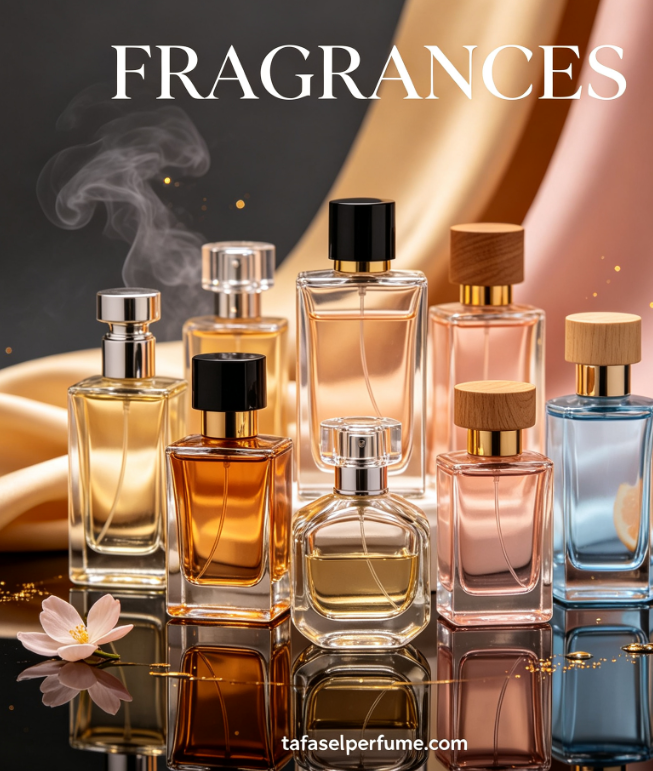
- The Ultimate Guide to Fragrances: Everything You Need to Know About Perfume, Scent, and Olfactory Art: Small Introduction: Fragrances are more than just pleasant smells—they are invisible accessories, memory triggers, and powerful expressions of identity. From the fresh citrus notes of a summer cologne to the deep, resinous heart of an oud, every fragrance tells a story. This guide explores the world of fragrances, helping you understand notes, families, longevity, and how to choose the perfect scent for every mood and moment.
Large Introduction: The universe of fragrances is vast, intricate, and endlessly fascinating. A single bottle can contain dozens of aromatic compounds, carefully blended to evolve over hours on the skin. Whether you are drawn to floral, woody, oriental, or fresh aquatic scents, understanding the structure of a fragrance—top, heart, and base notes—transforms the way you wear perfume. Fragrances also serve as powerful emotional anchors; a familiar scent can instantly transport you to a memory, a place, or a person. In this comprehensive article, we will dive deep into the art and science of perfumery. We will explore how fragrances are classified, how to make them last longer, the difference between eau de toilette and eau de parfum, and how to build a versatile fragrance wardrobe. We will also answer the most common questions about fragrances, from storage tips to layering techniques. Whether you are a seasoned collector or a curious beginner, this guide will equip you with the knowledge to navigate the fragrant world with confidence. You will also find curated links to some of the best fragrance articles and collections, including Crystal Oud: The Complete Guide to the Radiant, Resinous Heart of Modern Perfumery, Ferragamo Perfume F: The Ultimate Guide to Italian Elegance, Modern Femininity, and Signature Scent, and Rihanna Perfume: The Ultimate Guide to Bold Fragrance, Celebrity Scents, and Unforgettable Confidence. Let’s begin this olfactory journey together.
1. What Are Fragrances? Understanding the Basics
2. The Fragrance Pyramid: Top, Heart, and Base Notes
3. Fragrance Families: Floral, Oriental, Woody, Fresh, and More
4. How to Choose the Right Fragrance for Your Personality
5. Eau de Toilette vs. Eau de Parfum vs. Parfum: What’s the Difference?
6. How to Make Your Fragrance Last Longer
7. Layering Fragrances: The Art of Custom Blending
8. Fragrance Storage: How to Keep Your Perfume Fresh
1. What Are Fragrances? Understanding the Basics
Fragrances, also known as perfumes or scents, are complex mixtures of aromatic essential oils, aroma compounds, fixatives, and solvents. The word “fragrance” comes from the Latin fragrantia, meaning a sweet or pleasant smell. In the world of perfumery, a fragrance is not just a single scent but a carefully constructed composition that unfolds over time. When you apply a fragrance to your skin, the heat of your body activates the volatile molecules, causing them to evaporate at different rates. This is why a perfume smells different in the first few minutes compared to several hours later. The earliest recorded use of fragrances dates back to ancient Mesopotamia, Egypt, and China, where aromatic resins, herbs, and flowers were burned as incense or steeped in oils. Today, fragrances are a multi-billion-dollar industry, with thousands of new launches every year. Understanding the basic anatomy of a fragrance—its concentration, notes, and sillage—is the first step to becoming a confident perfume wearer. For a deeper dive into specific scent profiles, you might explore guides like Nautica Sunset: The Complete Guide to a Timeless Aquatic Fragrance or Versace Turquoise Dylan: The Ultimate Guide to the Fresh, Bold, and Unforgettable Fragrance.
2. The Fragrance Pyramid: Top, Heart, and Base Notes
The fragrance pyramid is a classic way to describe how a perfume evolves on the skin. It is divided into three layers: top notes, heart notes, and base notes. Top notes are the first impressions—light, volatile molecules like citrus, mint, or lavender that evaporate within 15 to 30 minutes. They are designed to attract and refresh. Heart notes, also called middle notes, emerge as the top notes fade. They form the core of the fragrance and can last from 30 minutes to several hours. Common heart notes include rose, jasmine, geranium, and cinnamon. Base notes are the foundation; they are heavy, long-lasting molecules like musk, sandalwood, oud, vanilla, and amber. Base notes can linger on the skin for six hours or more, sometimes even into the next day. The interaction between these layers creates the fragrance’s unique character and longevity. For example, a fragrance like Romance Ralph Lauren Body Lotion: The Scent of Tender Luxury might open with fresh rose, settle into a soft floral heart, and dry down to a warm, musky base. Understanding the pyramid helps you anticipate how a perfume will behave and whether it suits your skin chemistry.
3. Fragrance Families: Floral, Oriental, Woody, Fresh, and More
Fragrances are traditionally grouped into families based on their dominant olfactory characteristics. The most common families are: Floral (rose, jasmine, lily, peony), Oriental or Amber (vanilla, spices, resins, balsams), Woody (sandalwood, cedar, vetiver, patchouli), Fresh (citrus, green, aquatic, aromatic), and Fougère (lavender, oakmoss, coumarin). Within these families, there are countless subfamilies. For instance, a floral fruity fragrance might combine peony with blackcurrant, while a woody aromatic might blend cedar with rosemary. Knowing your preferred family helps you navigate the overwhelming selection at perfume counters. If you love crisp, energizing scents, you might gravitate toward Be Delicious DKNY Fresh Blossom: The Ultimate Guide to a Crisp, Floral, and Energizing Fragrance. If you prefer bold, elegant compositions, consider Christian Siriano Perfume Au Naturel: A Complete Guide to the Fresh, Floral, and Unapologetically Elegant Scent. Many modern fragrances are hybrids, blurring the lines between families to create something entirely new.
4. How to Choose the Right Fragrance for Your Personality
Your fragrance should feel like an extension of who you are. Choosing the right scent is a personal journey that involves more than just smelling good. Start by considering your lifestyle: do you prefer light, office-friendly scents or bold, evening fragrances? Think about the moods you want to evoke—romantic, confident, playful, or serene. Next, consider your skin chemistry. Oily skin tends to hold fragrance longer and amplify base notes, while dry skin may require more frequent reapplication. The climate also plays a role; fresh citrus and aquatic notes are refreshing in summer, while warm amber and spice feel cozy in winter. Don’t be afraid to experiment with samples. Try Coach Cologne for Women: The Ultimate Guide to Elegant, Fresh, and Timeless Scents if you want a versatile everyday option, or Bichon Perfume: The Ultimate Guide to the Fluffy, Joyful, and Irresistibly Sweet Fragrance if you love playful, gourmand-inspired scents. Ultimately, the best fragrance is the one that makes you feel confident and comfortable.
5. Eau de Toilette vs. Eau de Parfum vs. Parfum: What’s the Difference?
The concentration of fragrance oil determines the strength, longevity, and price of a perfume. Eau de Cologne (EDC) typically contains 2–5% fragrance oil and lasts 2–3 hours. Eau de Toilette (EDT) contains 5–15% oil and lasts 3–5 hours. Eau de Parfum (EDP) contains 15–20% oil and lasts 5–8 hours. Parfum or Extrait de Parfum contains 20–40% oil and can last 8–12 hours or more. The higher the concentration, the richer and more intense the scent, but also the higher the price. However, concentration is not the only factor—the quality of ingredients and the skill of the perfumer matter just as much. Some EDTs can outperform weaker EDPs. When choosing, consider how long you need the fragrance to last and the occasion. An EDT is perfect for daytime or warm weather, while an EDP or Parfum is ideal for evening events or cold seasons. For example, Viva La Juicy 1.7 Ounce: The Ultimate Guide to Juicy Couture’s Iconic Scent, Style, and Everyday Glamour is a popular EDP that balances sweetness and sophistication.
6. How to Make Your Fragrance Last Longer
Nothing is more disappointing than a beautiful fragrance that disappears within an hour. Fortunately, there are several tried-and-true techniques to extend longevity. First, apply fragrance to moisturized skin. Dry skin sheds scent molecules quickly, so use an unscented lotion or a matching body lotion before spraying. Second, target pulse points: wrists, neck, behind the ears, and the inner elbows. These areas emit heat, which helps diffuse the scent. Third, do not rub your wrists together after spraying—this crushes the fragile top notes and accelerates evaporation. Fourth, spray your hair or clothes (carefully, as some fragrances can stain). Fifth, layer your fragrance with matching shower gel, body lotion, or a complementary scent. Finally, store your perfume properly (see section 8). If you love a specific scent like Princesse Marina: The Ultimate Guide to Elegant Fragrance, Beauty & Timeless Style, consider buying the matching body products to amplify the experience.
7. Layering Fragrances: The Art of Custom Blending
Layering, also known as combining or mixing fragrances, is a creative way to personalize your scent. The goal is to create a harmonious blend that is greater than the sum of its parts. Start with a base fragrance—something warm, woody, or musky—and then add a lighter, brighter scent on top. For example, pair a vanilla-heavy oriental with a fresh citrus cologne. Or combine a floral eau de parfum with a woody eau de toilette. The key is to spray the heavier fragrance first, then the lighter one. You can also layer a body lotion or oil with a perfume. Not all fragrances layer well, so experiment with samples. Some brands even design their collections to be layered. If you enjoy bold, celebrity-inspired scents, you might layer Trish McEvoy 100 Fragrance: The Ultimate Scent Experience for Every Mood and Moment with a simple musk. Layering allows you to create a signature scent that no one else has.
8. Fragrance Storage: How to Keep Your Perfume Fresh
Proper storage is essential to preserve the integrity of your fragrance. Heat, light, and humidity are the enemies of perfume. Store your bottles in a cool, dark place—ideally a closet or drawer, away from windows and radiators. Avoid keeping them in the bathroom, where steam and temperature fluctuations can degrade the juice. Keep the cap tightly closed to prevent oxidation. If you have a large collection, consider keeping only the current season’s bottles out and storing the rest in a dark box. Properly stored, a fragrance can last for years, though citrus-forward scents tend to fade faster than woody or oriental ones. For more tips on maintaining your collection, explore resources like Where to Get Men’s Cologne: The Ultimate 2025 Guide to Buying Authentic Fragrance Online and Perfume Articles and Reviews. You can also browse Unisex Perfume, Women’s Perfume, and Men’s Perfume collections to find your next signature scent.
Frequently Asked Questions About Fragrances
1. What does “fragrance” mean in a perfume?
The term “fragrance” refers to the aromatic compound or blend of compounds that gives a perfume its scent. It can be natural (essential oils, absolutes) or synthetic. In ingredient lists, “fragrance” is a catch-all term that may include dozens of individual scent molecules.
2. How can I tell if a fragrance is authentic?
Buy from reputable retailers, check the batch code, examine the packaging for quality, and be wary of prices that are too low. Authentic fragrances often come with a batch code that can be verified with the brand. For a detailed guide, see Where to Get Men’s Cologne: The Ultimate 2025 Guide to Buying Authentic Fragrance Online.
3. Why does my fragrance smell different on me than on my friend?
Skin chemistry, body temperature, diet, and even medications can alter how a fragrance develops. Oily skin tends to hold scent longer and amplify base notes, while dry skin may make top notes fade faster. This is why testing on your own skin is essential.
4. How many sprays of fragrance should I use?
Most people find 2–4 sprays sufficient. Start with one spray on each pulse point and adjust based on the concentration and your preference. Eau de Toilette may require more sprays than Parfum. Be considerate in shared spaces—less is often more.
5. Can fragrances expire?
Yes, fragrances can degrade over time, especially if exposed to heat, light, or air. Citrus and fresh scents may last 2–3 years, while oriental and woody scents can last 5–10 years or more. If a fragrance smells sour or metallic, it has likely expired.
6. What is the best way to test a new fragrance?
Spray it on your skin (not just a paper strip) and let it develop for at least 30 minutes. Wear it for a full day to see how it evolves. Ask for samples at counters or buy decants online. Never judge a fragrance solely by its initial spray.
7. Are niche fragrances better than designer fragrances?
Not necessarily. Niche houses often use higher concentrations and more unusual ingredients, but designer fragrances can be just as well-crafted and are often more affordable. The best fragrance is the one you love, regardless of label.
8. How do I find my signature scent?
Explore different families, test widely, and note which notes you gravitate toward. Consider your lifestyle, the seasons, and your personality. Your signature scent may change over time—and that’s perfectly fine. For inspiration, browse Perfume Brands and Perfume Ranking and Top Lists.


