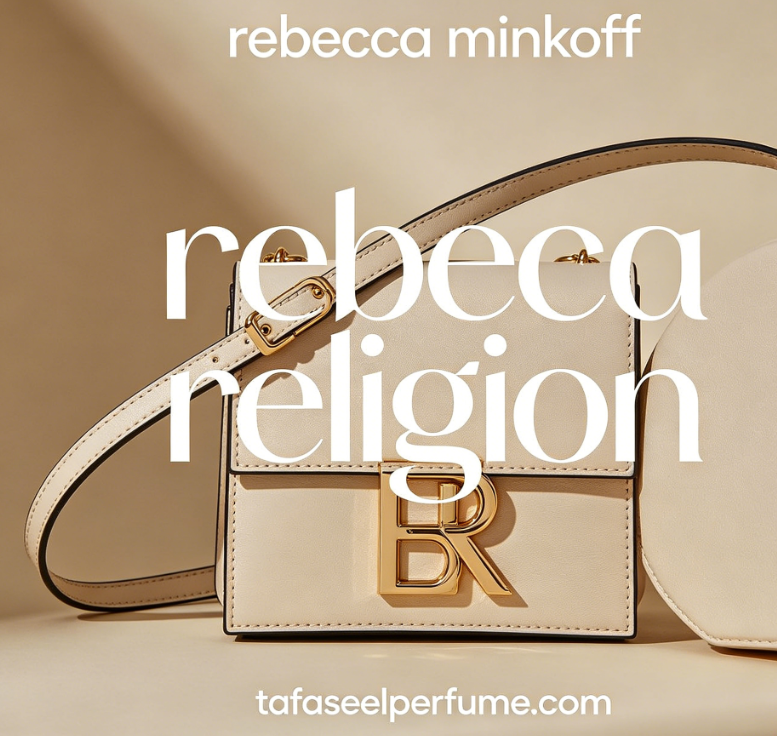
- The Rebecca Minkoff Religion: Cult of Cool, Confident & Unapologetic Femininity: More than a handbag label — Rebecca Minkoff built a devoted following around fearless creativity, downtown edge, and the ritual of self-expression. Welcome to the religion of effortless rebellion.
Rebecca Minkoff Religion isn’t about worship, but about belief: belief in the power of personal style, the audacity to blend masculine tailoring with romantic femininity, and the ability to turn accessories into icons. What began with the legendary "Morning After Bag" (MAB) evolved into a global movement—a tribe of insiders who swear by leather jackets, studded clutches, and the unshakable confidence that fashion should be fun, fearless, and functional. This article decodes the core tenets of the Rebecca Minkoff phenomenon, from cult-classic silhouettes to the spiritual-like loyalty of her fashion congregation. Whether you’re a longtime follower or a curious newcomer, step into the sanctuary of a brand that rewrote the rules of accessible luxury.
The Sacred Chapters — Rebecca Minkoff Religion Decoded
- 1. Genesis of a Cult Brand: From MAB to Movement
- 2. The Morning After Bag (MAB): Altar of the It-Bag Era
- 3. Unapologetic Hardware: Studs, Chains & Armor as Adornment
- 4. The Devotee’s Uniform: Leather, Layering & Rebellious Romance
- 5. Limited Drops & The Thrill of the Hunt: Scarcity as Spiritual Practice
- 6. Digital Kingdom: How Rebecca Minkoff Built an Online Congregation
- 7. Sustainability + Secondhand Devotion: The Eternal Afterlife of RM Pieces
- 8. From Runway to Real Life: Why the Religion Keeps Growing
1. Genesis of a Cult Brand: From MAB to Movement
Rebecca Minkoff launched her namesake label in 2005 with a single design that would change handbag history. The “I Love New York” shirt and the iconic Morning After Bag weren’t just products — they were statements. Within years, what started as an indie designer venture became a lifestyle religion, fueled by authenticity, social media intimacy, and a refusal to follow fashion’s old guard. Unlike heritage maisons, Minkoff spoke directly to the downtown girl who wanted luxury without pretense. The brand’s core philosophy — “styles for the rebel, the romantic, the go-getter” — attracted a diverse following that treated each collection like a new sermon. By embracing early adopter communities, live-shopping events, and co-creation with fans, Rebecca Minkoff transformed casual shoppers into devoted evangelists. The religion wasn’t built on exclusivity but on belonging: a sense that this bag, this jacket, understands your chaotic, beautiful, multi-hyphenate life.
This genesis story matters because it paved the way for every other pillar of the RM religion. Without the personal touch and the raw storytelling of a young female founder, the brand might have remained just another accessory line. Instead, it grew into a movement where carrying a Minkoff bag signals membership in a clan of confident, creative women — and men who appreciate the same aesthetic.
2. The Morning After Bag (MAB): Altar of the It-Bag Era
No relic is more sacred than the Morning After Bag (MAB). Launched in 2006, the MAB redefined the “It-bag” for a new millennium — oversized, slouchy, yet structured, with a signature turn-lock closure and multiple tassels. It was the bag that launched a thousand blog posts, worn by everyone from Nicky Hilton to Lauren Conrad. But the MAB’s cult status isn’t just about nostalgia. Its genius lies in the name: the Morning After embodies spontaneity, adventure, and the beauty of not being perfect. You could throw it over your shoulder after a night out, fill it with everything you need (and don’t need), and still look effortlessly cool.
Over the years, the MAB spawned iterations like the Mini MAB, MAB Tote, and the “MAB Satchel,” each retaining the original’s downtown spirit. For the Rebecca Minkoff faithful, acquiring an original MAB or a re-edition feels like a rite of passage. The bag represents the core belief that accessories should carry memories — coffee stains, concert tickets, lipstick smudges — and tell a story. Even as trends shift, the MAB remains a permanent altar within the religion, continuously referenced and beloved by secondhand hunters. Resale platforms list vintage MABs with sacred reverence; that’s the power of a true icon.
3. Unapologetic Hardware: Studs, Chains & Armor as Adornment
One glance at any Rebecca Minkoff piece and you’ll notice the hardware: pyramid studs, chunky chains, bold rings, and metallic finishes that assert dominance. In the RM religion, hardware isn’t a detail — it’s a declaration. The brand took inspiration from punk, rock ‘n’ roll, and vintage military accents, transforming edges into elegance. The famous “Darren” messenger bag, the “Love” crossbody with its heart-shaped latch, and the fierce “Regan” satchel all celebrate hardware as a signature. Followers often mention that carrying an RM bag feels like wearing armor — protective, empowered, and slightly dangerous. The jingle of chains becomes a soundtrack for the modern heroine.
This commitment to heavy metal details also established a unique visual language. In a sea of minimalist quiet luxury, Rebecca Minkoff keeps the studs coming. Devotees collect pieces based on hardware color: antique brass, gunmetal, or silver. The religious ritual of “matching hardware to mood” is a real conversation inside the fandom. And each season, the brand introduces new ways to reinterpret metal — from grommets on leather jackets to chain straps that double as jewelry. For believers, these elements embody rebellious femininity: unapologetic, strong, and always chic.
4. The Devotee’s Uniform: Leather, Layering & Rebellious Romance
Beyond bags, Rebecca Minkoff’s ready-to-wear and footwear collections have cemented a full-fledged uniform for the cult. Think moto jackets, draped knitwear, faux leather leggings, and feminine dresses with tough-girl attitude. The brand coined the phrase “rebellious romance” — a styling gospel that encourages mixing floral prints with biker boots, or pairing a silk cami with a studded leather cuff. Adherents of the RM religion don’t just accessorize; they embody a lifestyle: part art-school muse, part boardroom boss, part rock-club regular.
The brand’s approach to layering is especially influential. A Rebecca Minkoff outfit might include an asymmetrical cardigan, a fringed suede vest, and the essential Moto Jacket with quilted shoulders. Social media is filled with “OOTD” posts tagged #RebeccaMinkoff, where followers share how they incorporate vintage RM finds into modern wardrobes. What’s noteworthy is the cross-generational appeal — Gen Z and millennials both claim the uniform as their own, remixing it with sneakers or heels. The uniform evolves, but the spirit stays consistent: confidence over conformity.
5. Limited Drops & The Thrill of the Hunt: Scarcity as Spiritual Practice
In the Rebecca Minkoff religion, scarcity creates devotion. The brand mastered the art of limited-edition releases, influencer collaborations, and archive sales that send the community into a fervor. Each “secret sale,” flash restock, or new capsule feels like a sacred event. Followers join mailing lists, follow Instagram stories religiously, and set alarms for drops. Why? Because owning a rare colorway of the “Julian Backpack” or a sample sale only “Edie Flap” bestows status within the tribe. The thrill is almost liturgical — the chase, the unboxing, and the eventual sharing on forums or TikTok unboxings.
This model of scarcity isn’t accidental; it deepens emotional investment. When an item sells out in hours and later becomes highly sought-after on Poshmark or Depop, it gains legendary aura. Rebecca Minkoff leverages nostalgia by reissuing cult classics for short windows, stoking both old and new devotees. The hunt also fuels sustainability (more on that later), as fans scour secondhand sites for retired pieces. For true believers, the scarcity loop is a feature, not a bug — it strengthens the sense of belonging to an inside circle that knows exactly when and where to strike.
6. Digital Kingdom: How Rebecca Minkoff Built an Online Congregation
Long before ‘social commerce’ became a buzzword, Rebecca Minkoff was pioneering the digital-first fashion movement. The brand launched the first “shoppable live stream” in 2016 and consistently treated platforms like Instagram, TikTok, and YouTube as town squares for the faithful. The “RM Community” isn’t a marketing term — it’s a vibrant digital congregation where fans share styling tips, authenticate vintage finds, and celebrate new arrivals. The brand’s founder regularly engages in Q&As, creating a direct line between the high priestess and her followers. This accessibility makes the religion feel intimate, not corporate.
Beyond live events, Rebecca Minkoff uses private Facebook groups, Discord channels, and text clubs to nurture loyalty. Members get early access, exclusive discounts, and even input on future designs (a form of co-creation that deepens devotion). This digital kingdom also democratizes fashion advice: anyone can ask whether the “Small Bedford” fits a laptop, and dozens of members will respond with photos. The result is a deeply engaged ecosystem where buying a bag is merely the initiation; true membership involves participation, feedback, and spreading the gospel of cool confidence.
7. Sustainability + Secondhand Devotion: The Eternal Afterlife of RM Pieces
A modern religion must address stewardship, and Rebecca Minkoff’s community champions circular fashion. The eternal afterlife of an RM bag or jacket begins when its first owner passes it to a second — or third. The resale market for Rebecca Minkoff is robust: vintage MABs, discontinued Darling satchels, and early-season leather jackets command significant attention on sites like The RealReal, Vestiaire Collective, and Depop. Followers call it “rescue and restore,” sharing DIY leather cleaning guides and how to replace missing tassels. There is a profound respect for well-loved pieces; patina, scuffs, and fading hardware become marks of authenticity, not flaws.
Sustainability initiatives also play a role: the brand has explored responsible leather sourcing and recyclable packaging, but the most devout form of eco-worship is simply keeping RM goods in rotation for years. The community organizes “swaps” and local meetups to exchange accessories, reducing waste while celebrating the shared passion. In this way, the Rebecca Minkoff religion aligns with slow-fashion values: loyalty to quality, timeless design, and emotional durability. Owning a Minkoff piece for a decade is a badge of honor; reselling it to a new believer is a sacred transfer of style energy.
8. From Runway to Real Life: Why the Religion Keeps Growing
Despite changing retail landscapes and shifting trends, the Rebecca Minkoff religion shows no signs of waning. New generations discover the brand through vintage hauls, celebrity throwbacks (think Gossip Girl’s Blair Waldorf carrying an RM bag), and the brand’s savvy reinvention. The core tenets — downtown edge, functional luxury, and accessible cool — resonate now more than ever because they reject exclusion. Rebecca Minkoff never asked you to be perfect; it asked you to be real. That emotional authenticity is the ultimate doctrine.
Today, the brand continues to expand into new categories (footwear, activewear, even home decor) while staying faithful to its DNA. Collaborations with influencers who embody the “RM woman” and the rise of affordable luxury make the congregation more diverse. From teenagers saving for their first Mini MAB to seasoned collectors with archive vaults, the religion adapts without losing its soul. And as long as there are women (and men) who believe that style should be a playground, not a prison, Rebecca Minkoff will remain a sacred name. Walk into any coffee shop, and you’ll spot the hardware, the slouch, the attitude — that’s the quiet testament of a modern cult.
This is the gospel according to Rebecca Minkoff: carry what you love, wear your armor, and never apologize for your ambition.
Frequently Asked Questions — The Rebecca Minkoff Religion
The term describes the deeply loyal, cult-like following of the Rebecca Minkoff brand — fans who treat her bags, clothing, and design ethos as a lifestyle movement. It’s about embracing rebellious romance, iconic hardware, and the communal spirit among collectors. The “religion” is metaphorical: a shared set of beliefs centered on fearless self-expression through accessible luxury.
Original vintage Morning After Bags can be found on resale platforms like The RealReal, Poshmark, and eBay. Rebecca Minkoff also occasionally re-releases limited editions or reinterpretations of the MAB silhouette during special anniversaries. Follow the brand’s official channels and newsletter to catch those rare drops — that’s part of the sacred hunt.
Start by subscribing to the official Rebecca Minkoff email list and following @rebeccaminkoff on Instagram and TikTok. Many fans also join Facebook groups like “Rebecca Minkoff Lovers & BST” or the brand’s text-only VIP club. Engage in live shopping events — that’s where the digital congregation meets. Sharing your outfits with #RebeccaMinkoff is the simplest initiation ritual.
Yes, most devotees praise the balance of quality, design, and price point. The brand uses genuine leather, durable hardware, and careful craftsmanship, especially in core lines. While some seasonal pieces may vary, the classics like the MAB, Julian backpack, and Edie flap bag are widely regarded as workhorses that age beautifully — which is why the secondhand market thrives.
It’s a loving nickname for fans obsessed with Rebecca Minkoff’s signature metal details: studs, turn-locks, chain straps, and grommets. Collectors often buy multiple versions of the same bag just to own different hardware finishes (gold, silver, gunmetal). The hardware is seen as the brand’s visual language — instantly recognizable and a symbol of downtown rebellion.
The brand has made strides toward responsible practices, including using recycled materials in packaging and exploring eco-conscious leather alternatives. However, the most sustainable aspect, according to the community, is longevity. The “religion” encourages reselling, swapping, and keeping pieces for decades, effectively reducing waste. For eco-conscious followers, buying pre-owned RM is the ultimate form of devotion.
Discover more style manifestos: Moncler Cologne: Alpine Legacy • Longest Lasting Perfumes Guide • Creed Green Irish Tweed • Unisex Perfume Collection • Women's Perfume • Luxury Perfume Brands • Angel EDP Mugler


