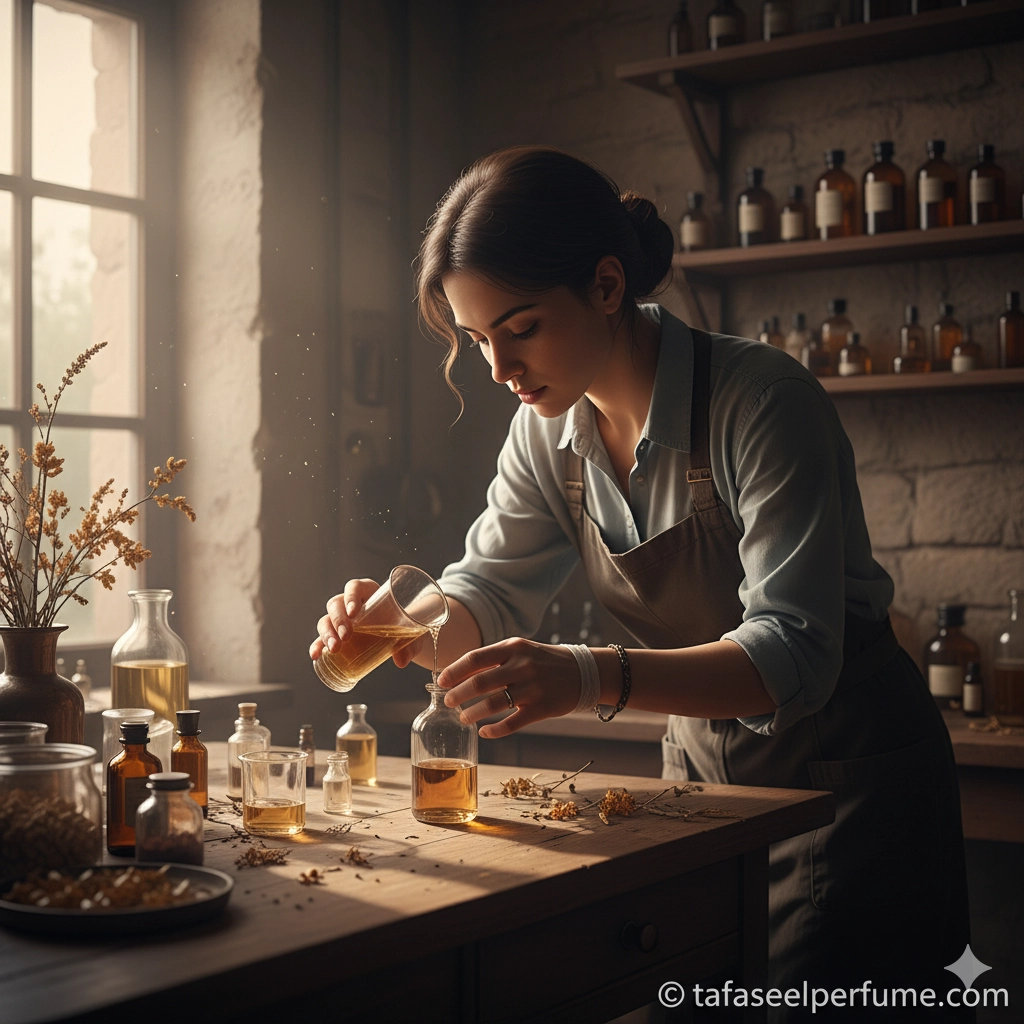
- The Perfumer: Crafting Identity Through Scent: Short Introduction: The perfumer is both an artist and a technician, transforming raw aromatic materials into emotional, memorable fragrances that define personal and cultural identity.
Extended Introduction: In the world of fine fragrance, the perfumer occupies a unique position at the intersection of chemistry, creativity, and storytelling. Often referred to as a “nose,” the perfumer interprets abstract ideas—such as elegance, power, intimacy, or nostalgia—into structured olfactory compositions. From sourcing ingredients to balancing top, heart, and base notes, the perfumer’s work shapes how a fragrance evolves on skin and how it is perceived across different cultures, occasions, and generations.
The Role of the Perfumer in Modern Fragrance – An overview of responsibilities, skills, and creative influence.
From Raw Materials to Finished Scent – How natural and synthetic ingredients are transformed.
Signature Styles and Olfactory DNA – Why perfumers develop recognizable scent profiles.
The Perfumer and Consumer Trends – Responding to market demand and lifestyle shifts.
The Future of Perfumery – Innovation, sustainability, and technology.
The Role of the Perfumer in Modern Fragrance
The perfumer is responsible for designing the core structure of a fragrance, often working from a creative brief that outlines target audience, mood, price positioning, and performance expectations. Beyond creativity, the role requires technical precision, regulatory awareness, and collaboration with brands and evaluators. A skilled perfumer understands how a scent will behave over time, interact with skin chemistry, and align with consumer preferences in different markets.
From Raw Materials to Finished Scent
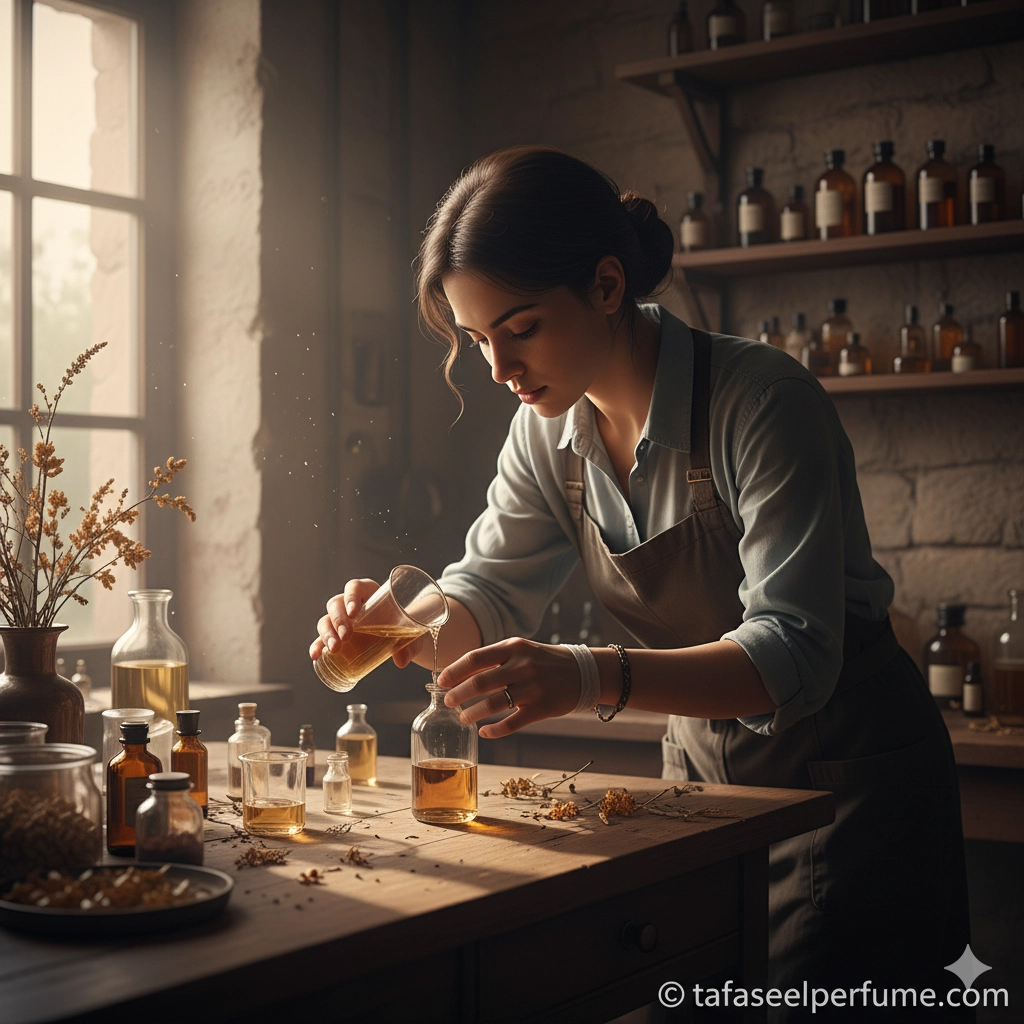
The journey from ingredient to fragrance is complex. Perfumers work with essential oils, absolutes, resins, and advanced aroma molecules to construct layered compositions. Each material has volatility, intensity, and stability considerations. Mastery lies in blending these elements so that the opening impression is compelling, the heart is expressive, and the dry-down is long-lasting and distinctive.
Signature Styles and Olfactory DNA
Over time, many perfumers develop an identifiable style—an olfactory DNA. This may appear through repeated use of certain accords, textures, or contrasts. Such signatures help brands build consistency and recognition. Consumers often follow perfumers the way they follow fashion designers, seeking out new releases that reflect a familiar creative voice.
The Perfumer and Consumer Trends
Modern perfumery is deeply influenced by consumer behavior. Demand for personalization, gender-neutral fragrances, and wellness-oriented scents has reshaped how perfumers approach composition. Social media, niche perfumery, and global access to information have accelerated trend cycles, requiring perfumers to balance originality with commercial relevance.
The Future of Perfumery
The future of the perfumer’s craft will be shaped by sustainability, biotechnology, and artificial intelligence. Ethical sourcing, biodegradable ingredients, and lab-created naturals are becoming central to fragrance development. While technology supports formulation and prediction, the human perfumer remains essential for emotional judgment, cultural sensitivity, and artistic vision.


