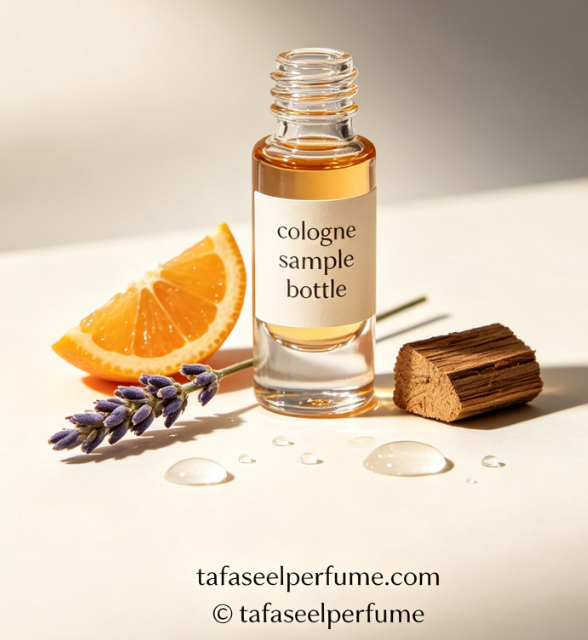
- The Cologne Sample Bottle: Miniature Vials, Maximum Scent: Small in size, infinite in character — how the humble sample bottle unlocks the world of fine fragrance.
explore the guide
1. anatomy of a sample 2. why size matters 3. glass vs. plastic 4. the atomizer debate 5. discovery sets & curation 6. travel rituals 7. collecting & storing 8. sustainability & refillrelated reading: Unisex Perfume · Men’s Perfume · Perfume Gift Sets · Mini Size & Gift Sets · Brands · Ranking · Perfume Articles
1. anatomy of a sample bottle
The cologne sample bottle is a marvel of micro-engineering. Most hold between 1.2 ml and 2.5 ml of concentrated juice, yet they must preserve the fragrance’s integrity against light, heat, and oxidation. The classic “vial” — often a slender glass tube with a crimped neck — is still the gold standard for splash or dab-on samples. But the industry has evolved: today we see mini sprayers, twist‑top dispensers, and even magnetic closures. Each component — the orifice, the stem, the crimp — affects how the perfume is released. A poorly designed sample can flatten a complex chypre or mute a sparkling citrus. That’s why luxury houses invest in custom moulds and precision nozzles, treating the sample bottle as a miniature ambassador of the brand.
Beyond function, the anatomy tells a story of cost and care. A thick glass wall, a fine‑mist spray, a satin‑finish cap — these details signal that the fragrance inside is worth your attention. And for the collector, the bottle itself becomes a keepsake, a tiny sculpture that fits in the palm of your hand.
2. why size matters: the psychology of small
There is a peculiar magic in miniature. The cologne sample bottle lowers the barrier to entry: you can test a €300 fragrance for less than the price of a coffee. But the psychological effect goes deeper. Smallness invites intimacy — you hold it longer, you apply it with intention, you pay closer attention to the top, heart, and base notes. Unlike a full‑size bottle that sits on the shelf, a sample demands engagement. It’s a single‑serve experience, a moment of olfactory mindfulness.
For brands, the sample bottle is a strategic tool. It creates a gateway to full‑bottle purchases, but also builds a sense of exclusivity. Limited‑edition sample sets, seasonal coffrets, and subscription boxes have turned the sample into a collectible. The psychology is simple: once you’ve lived with a scent for a few days, it becomes part of your identity. And that tiny vial is the first chapter of that story.
3. glass vs. plastic: the material debate
Glass remains the preferred material for prestige samples. It is inert, impermeable, and chemically stable — ideal for preserving delicate aldehydes and natural essences. Glass also conveys a sense of luxury; the weight and clarity of a borosilicate vial signal quality. However, plastic (often PET or polypropylene) is gaining ground in the travel and budget segments. Plastic is lightweight, shatterproof, and cheaper to produce, making it the choice for mass‑market testers and airline‑friendly kits.
Yet there is a trade‑off. Some plastics can absorb or react with certain fragrance molecules over time, muting the top notes. And from a sustainability angle, glass is infinitely recyclable, while plastic recycling remains inconsistent. Many niche brands now offer glass sample bottles with recyclable caps, aligning with the eco‑conscious consumer. The choice between glass and plastic is not just about cost — it’s about the story you want the sample to tell.
4. the atomizer debate: spray vs. dab
How you apply a fragrance changes how it smells. The cologne sample bottle typically comes in two formats: dab‑on (vial with a stopper or wand) and spray (mini atomizer). Dab‑on samples deliver a concentrated drop directly to the skin, which can warm the juice and amplify heavier base notes. Spray samples, on the other hand, disperse the fragrance into a fine mist, allowing the volatile top notes to bloom in the air before settling on the skin. This difference is not trivial — a dab may make a scent feel heavier and more linear, while a spray can reveal its full evolution.
Purists often prefer the dab‑on vial for accurate testing, as it mimics the way a perfumer evaluates a fragrance on a blotter. But spray samples are more practical for on‑the‑go touch‑ups. Many luxury sample sets now include both formats, or even a “splash‑to‑spray” adapter, giving you the best of both worlds. The atomizer debate is ultimately about control: do you want to anoint or to envelop?
5. discovery sets & the art of curation
Discovery sets have turned the sample bottle into a storytelling medium. A well‑curated collection of miniatures — often housed in a bespoke box — invites you to explore a fragrance house’s DNA. From the fresh aquatic of a Mediterranean coast to the smoky leather of a Parisian atelier, each sample bottle is a chapter. Brands like Unisex Perfume or Men’s Perfume often release seasonal discovery sets that highlight new releases or classic pillars.
For the consumer, curation is a journey. You might start with a citrus, fall for a floral, and end with an oriental. The sample bottle encourages comparison — wearing one scent in the morning, another in the evening — and sharpens your olfactory vocabulary. It’s no wonder that discovery sets are one of the fastest‑growing segments in the fragrance industry, with many consumers treating them as a monthly ritual rather than a one‑off purchase.
6. travel rituals: the sample bottle as a companion
The cologne sample bottle is the perfect travel companion. Compact, leak‑proof (when properly sealed), and TSA‑friendly, it slips into any carry‑on or pocket. But beyond logistics, the sample bottle becomes a sensory anchor for your journeys. A spritz of a marine scent can evoke a coastal road trip; a woody oriental can recall an autumn evening in Kyoto. Frequent travellers often curate a “trip kit” — a small pouch of samples that match the mood of their destination.
There is also a practical advantage: you can test how a fragrance performs in different climates. Humidity, altitude, and temperature all affect sillage and longevity. A sample bottle lets you experiment without committing to a full bottle that might not travel well. And when a sample runs out, you replace it — no guilt, no waste, just a new scent to discover.
7. collecting & storing: the miniature museum
For many enthusiasts, sample bottles are more than consumables — they are collectibles. Limited‑edition vials, vintage crimp‑top ampoules, and rare promotional samples have become prized items on auction sites. Collectors often organise their samples by house, note, or year, creating a miniature museum of olfactory history. The storage itself becomes a ritual: cool, dark, and dry conditions are essential to preserve the juice, and many use dedicated sample cases or velvet‑lined boxes.
But the collection is not just about hoarding. It’s about comparison and discovery. By sampling side‑by‑side, you learn to identify the signature of a perfumer or the evolution of a note. The sample bottle becomes a tool for education, turning casual wearers into informed enthusiasts. And with the rise of subscription services, the collection never stops growing — there is always a new vial to add to the shelf.
8. sustainability & the refillable future
The sample bottle is at the forefront of the sustainability conversation. Single‑use vials generate a significant amount of waste, but the industry is responding with refillable and recyclable solutions. Some brands now offer “eternity” sample bottles — durable aluminium or glass shells with replaceable cartridges. Others have launched take‑back programmes where you return empty vials for recycling or reuse.
Innovations include biodegradable plastic, plant‑based caps, and even edible packaging. The goal is to preserve the joy of sampling while minimising environmental impact. For the conscious consumer, choosing a brand that prioritises sustainable sample packaging is becoming as important as the scent itself. The future of the cologne sample bottle is not just about what’s inside, but about the footprint it leaves behind.
further fragrance inspiration: Women’s Perfume · Deodorant & Antiperspirant · Fragrance Gels · Spa & Fragrance · Beauty Tips · Tafaseel Collection
© 2026 · Cologne Sample Bottle — from miniature vials to infinite scent stories. Ranking · Mini Size & Gift Sets


