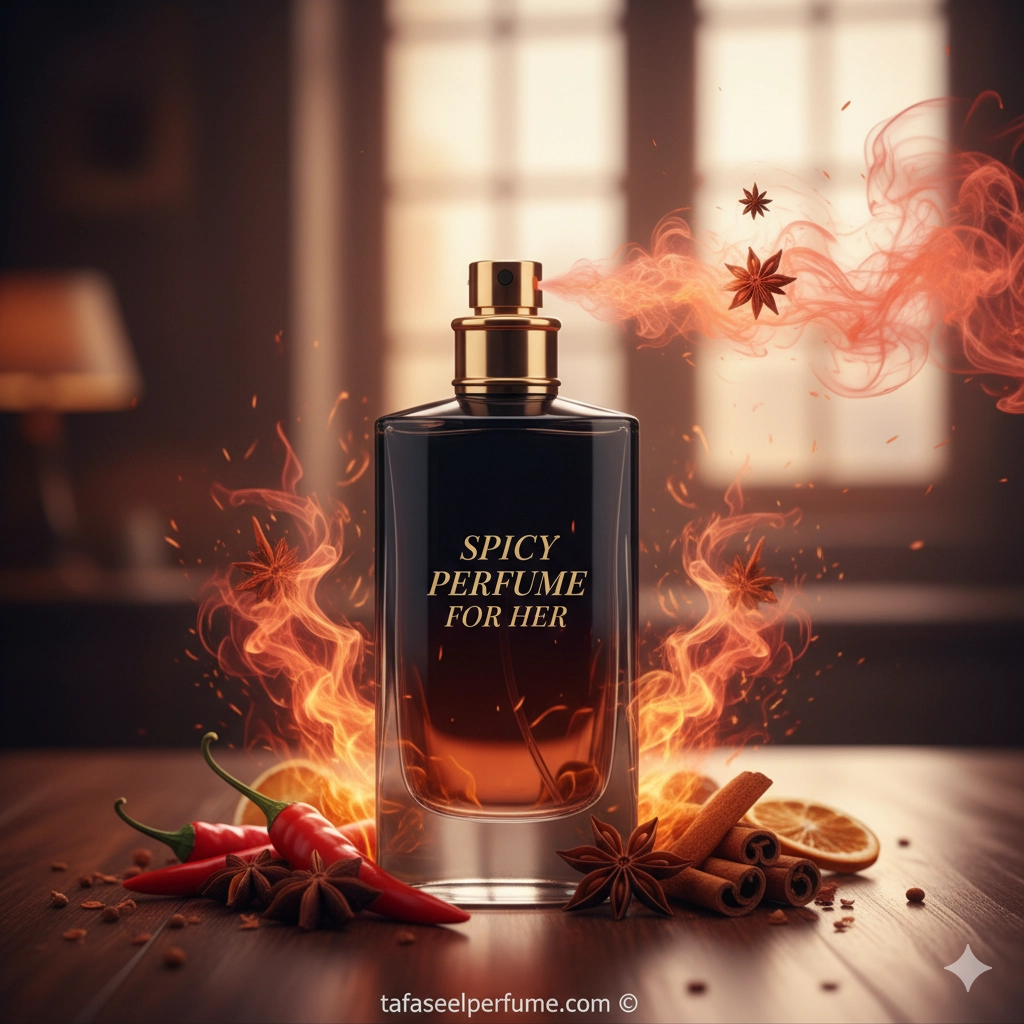
- Spicy Perfume for Her: The Definitive Guide to Warm, Alluring Scents: Short intro: Spicy perfumes for her combine warmth, depth, and a touch of sensuality — perfect for evenings, cool weather, or when you want to leave a memorable impression.
Long intro: Spicy fragrances occupy a seductive corner of the fragrance world. Built around notes like black pepper, pink pepper, cinnamon, clove, cardamom, and nutmeg, these compositions can read floral, oriental, or gourmand depending on their supporting notes. For women who want a scent that feels bold yet refined, spicy perfumes often provide excellent longevity, depth, and an inviting sillage. This guide explains what makes a perfume "spicy", highlights the types of spicy accords, gives styling and application tips, presents standout suggestions, and answers frequently asked questions to help you choose the right spicy perfume for your personality and occasions. Use this as your reference for discovering spicy perfumes that project confidence and warmth.
1. What makes a perfume "spicy"? — A concise explanation of spicy accords and their role.
2. Common spicy notes and how they behave — Short descriptions of pepper, cinnamon, clove, cardamom, and other staples.
3. Best spicy perfumes for evening and date nights — Recommendations and what to expect from each style.
4. How to wear spicy perfume: season, occasion, and placement — Practical application and etiquette guidance.
5. Layering, concentration, and longevity — Techniques to extend life and modify intensity.
6. Spicy gourmand vs spicy oriental vs spicy floral — How spice interacts with sweetness and florals.
7. Buying guide: sampling, blind buys, and gift ideas — Where to try, what to expect from price tiers, and gift recommendations.
1. What makes a perfume "spicy"?
At its core, a "spicy" perfume features one or more spice-derived notes that give the composition a warm, piquant, or aromatic character. Unlike citrus or green accords that read bright and airy, spicy notes add heat, complexity, and often an immediate recognizable signature: the sharpness of black pepper, the sweet warmth of cinnamon, or the resinous depth of cardamom. Spices can function as top notes that announce themselves immediately, or as heart/base notes that emerge as the fragrance dries down. In many high-quality formulations, a careful balance between spice and supporting notes (woody, floral, amber, or gourmand elements) is what prevents a scent from feeling one-dimensional. Good perfumery uses spice to create storytelling — tension, contrast, and personality.
CreedPerfume: Discover the Legacy, Luxury, and Lasting Impact of an Iconic Fragrance House
2. Common spicy notes and how they behave
Understanding individual spicy ingredients helps you predict how a perfume will evolve. Black pepper gives a sharp, modern bite and often lifts floral or woody centers. Pink pepper reads fruitier and lighter — it adds effervescence without aggressive heat. Cinnamon imparts sweet warmth and pairs well with gourmand elements like vanilla or tonka. Clove brings a resinous, slightly medicinal warmth that deepens orientals. Cardamom adds aromatic freshness with a slightly eucalyptus-like quality. Nutmeg and mace are nuttier and earthier, rounding compositions. Perfume concentration, supporting notes, and the perfumer’s use of extraction (essential oils vs. synthetics) determine how bold or subtle these spices appear.
3. Best spicy perfumes for evening and date nights
Spicy perfumes excel in intimate or evening settings because warmth and depth translate into proximity-friendly sillage. Look for compositions labeled as oriental, amber, or spicy floral. For date nights consider a fragrance where spice is balanced with a soft sweet center (vanilla, praline) or a floral heart (rose, jasmine) so it reads both sensual and feminine. When exploring purchases, check sample reviews for comments on projection and warmth, and try to test on skin rather than paper because spices can react uniquely with body chemistry.
Top Perfumes Deals You Should Not Miss in 2025
4. How to wear spicy perfume: season, occasion, and placement
Spicy perfumes are naturally aligned with fall and winter, though lighter spicy accords (pink pepper, cardamom) can work in spring evenings. For formal evening events, apply to pulse points — wrists, behind ears, and the décolleté — but avoid over-spraying; two moderate sprays are often sufficient. For daytime wear, choose lighter concentrations (eau de toilette or extrait with moderated application) and consider a single spray on clothing rather than multiple on skin. If you’re in close quarters (office, public transit), opt for softer spicy compositions or use a smaller application to respect others' noses. Balance and context matter: a spicy fragrance can be elegant or overpowering depending on dose and venue.
5. Layering, concentration, and longevity
To increase longevity and tailor intensity, use layering techniques: apply an unscented or lightly scented body lotion first, then the perfume; or pair complementary scents (e.g., a spicy eau de parfum with a warm, neutral-scented oil). Higher concentrations (parfum/extrait) typically offer stronger projection and longer wear, but quality of ingredients matters more than concentration alone. If a spicy note fades too quickly on your skin, try moisturizing well beforehand and testing alternative fragrance families that maintain the spice in the heart and base notes. When sampling, evaluate a fragrance at 1 hour, 4 hours, and 8 hours to judge true longevity.
Discovering the Essence of Luxury: A Complete Guide to Coach Perfume
6. Spicy gourmand vs spicy oriental vs spicy floral
These subcategories describe how spice interacts with other accords. A spicy gourmand pairs spice with edible-sweet notes (vanilla, caramel, chocolate), producing a cozy, often dessert-like warmth. A spicy oriental emphasizes resinous, amber, and balsamic bases alongside spice, creating an exotic, opulent feeling. A spicy floral keeps florals (rose, jasmine) prominent but adds spice for complexity and edge. Choosing between them depends on whether you prefer sweetness, opulence, or floral elegance as the fragrance’s character anchor.
7. Buying guide: sampling, blind buys, and gift ideas
Always sample before committing to a full bottle — ideally wear a sample for a day to see how the spice evolves. If you must blind-buy, pick reputable houses known for balanced compositions and read multiple user reviews that mention skin type and season. For gifts, consider travel sizes or gift sets that pair a spicy perfume with complementary bath/body items. Retailer promotions can offer value; check trusted sellers and verify authenticity. If you seek recommendations or curated lists, consult perfume reviews or brand articles to refine options before purchase.
Maison Paris Perfume: Discover the Essence of Elegance
FAQ 1 — Are spicy perfumes suitable for all ages?
Yes, spicy fragrances can suit any age, but composition and intensity matter. Younger wearers often prefer lighter spicy notes like pink pepper and cardamom, while mature wearers may gravitate toward deeper orientals with clove or cinnamon. Choose according to personal preference and occasion rather than age alone.
FAQ 2 — How do spicy perfumes interact with body chemistry?
Body chemistry affects how notes unfold. Spices can either become more pronounced or soften depending on skin pH and oils. Test on your skin for several hours — what smells peppery on paper may feel warmer or sweeter on you. If a spice turns harsh, try different concentrations or brands that use softer extractions or synthetics.
FAQ 3 — Can spicy perfumes be worn during the day?
Yes. Select lighter spicy accords (cardamom, pink pepper) or apply more sparingly. For daytime settings like the office, choose subtle compositions or use a single application point to control projection.
FAQ 4 — Which spices are best for longevity?
Cardamom, clove, and certain resins paired with woody or amber bases tend to contribute to longevity. However, longevity depends on the overall formula and quality of fixatives rather than a single ingredient.
FAQ 5 — How should I store spicy perfumes?
Store perfumes in a cool, dry, dark place away from direct sunlight and heat. Keep bottles upright and sealed to preserve the character of volatile spicy top notes and the integrity of the base notes.
FAQ 6 — Are spicy perfumes more likely to cause irritation?
Any concentrated fragrance can irritate sensitive skin, especially if it contains natural spice extracts. Perform a patch test or choose eau de toilette concentrations and avoid applying directly to broken or irritated skin. If you have known sensitivities, look for hypoallergenic or synthetic-forward formulations and check ingredient lists.
FAQ 7 — How can I make a spicy perfume last longer on clothing?
Spraying fabric from a distance creates a gentler deposition of scent. Natural fibers like wool and cotton hold fragrance longer than synthetics. Keep in mind that some perfumes may stain fabrics; test an inconspicuous area first. For long-term scent retention, store a perfumed scarf in a sealed bag between wears.


