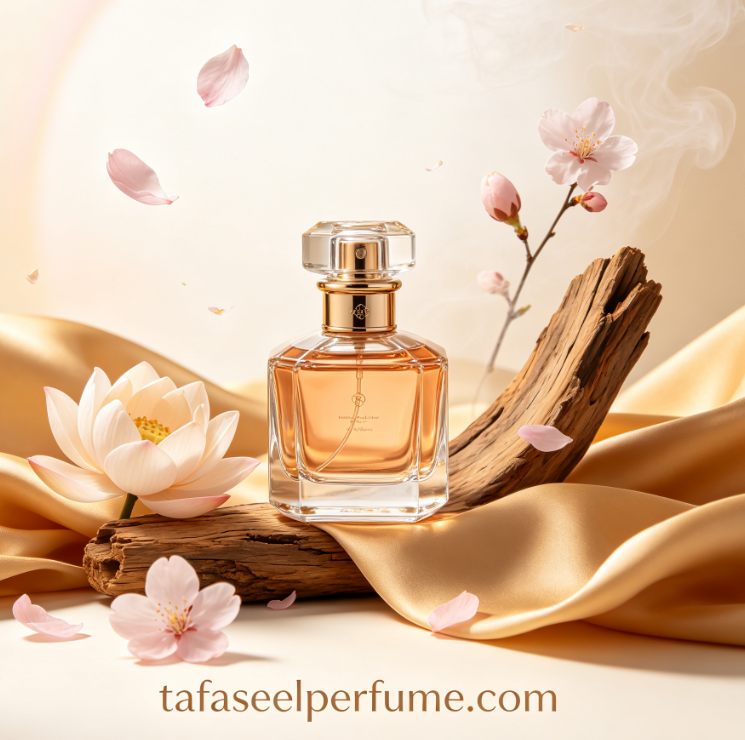
- Shiseido Zen Fragrance · The Velvet Architecture of Serenity: Stillness captured in a spritz: Shiseido Zen is not a perfume, it is a meditative gesture — a harmony of citrus brightness and woody depth that feels like dawn over a Japanese garden.
Shiseido Zen redefines the fragrance as a sensory ritual. Born from the Japanese aesthetic of “ma” (the space between), this eau de parfum balances yuzu, hinoki wood, and lotus with a whisper of incense. It is neither loud nor fleeting — it lingers like the memory of temple bells. Since its launch, Zen has been a quiet icon, beloved by those who seek elegance without effort. This article explores its architecture, its notes, and the philosophy that makes it a timeless classic in modern perfumery.
✦ navigate the zen architecture ✦
1. The Zen Philosophy: Ma, Mu, and the Scent of Stillness
2. Olfactory Pyramid: Yuzu, Lotus, Hinoki & the Incense Heart
3. The Evolution of Shiseido Zen: From 2000 to Today
4. Who Wears Shiseido Zen? A Study in Effortless Grace
5. Layering Zen: How to Wear It for Day, Night, and Contemplation
1. The Zen Philosophy: Ma, Mu, and the Scent of Stillness
At its core, Shiseido Zen is an olfactory translation of two Japanese concepts: Ma — the interval, the pause that gives shape to sound — and Mu — the void that holds infinite potential. Unlike Western perfumes that often build on a dense, continuous presence, Zen breathes. It opens with a sharp, translucent yuzu that fades into a quiet lotus, then rests on a warm, woody hinoki base. This structure mimics a Zen rock garden: each note is placed with intention, leaving room for silence. The wearer becomes part of the fragrance, not its canvas.
This philosophy extends to the sillage. Zen does not shout; it envelops like a fine silk kimono. It invites those around you to lean in, not to flee. For many, this is the fragrance of morning meditation or the first sip of matcha. It is a statement of inner richness rather than outer noise.
2. Olfactory Pyramid: Yuzu, Lotus, Hinoki & the Incense Heart
The architecture of Shiseido Zen is deceptively simple, yet each layer reveals new facets. The top notes burst with yuzu and bergamot — sharp, clean, and slightly bitter, like sunlight piercing through fog. As the heart unfolds, lotus and white tea introduce a watery, floral serenity, while a whisper of cardamom adds a subtle, spicy warmth. The base is anchored by hinoki wood, a Japanese cypress known for its calming, incense-like aroma, blended with cedar and a touch of amber. The result is a fragrance that feels both ancient and contemporary, grounding the spirit without weighing it down.
What makes this pyramid remarkable is its transparency. Each note is discernible yet harmonious, like a well-composed haiku. The incense accord is never heavy — it is the memory of a temple, not the smoke itself. This balance is the signature of master perfumer Jean-Claude Delville, who crafted Zen as a “fragrance for the mind.”
3. The Evolution of Shiseido Zen: From 2000 to Today
First launched in 2000, Shiseido Zen was a radical departure from the floral-heavy perfumes of the era. It arrived as a unisex scent, defying gender norms with its woody-citrus character. In 2007, the brand introduced Zen Gold, a warmer, more opulent interpretation with honey and saffron, followed by Zen Noir in 2010, a darker, spiced version with pepper and myrrh. However, the original Eau de Parfum remains the purest expression of the Zen ideal. In 2015, Shiseido reformulated the fragrance to adhere to IFRA regulations, but the soul remained intact — the yuzu became brighter, the hinoki more rounded. Today, Zen is considered a cult classic, cherished by collectors and minimalists alike.
Its evolution mirrors the shift in global perfume culture toward mindfulness and authenticity. Zen was ahead of its time, paving the way for the “clean” and “meditative” fragrance movements we see today.
4. Who Wears Shiseido Zen? A Study in Effortless Grace
Shiseido Zen is the scent of a person who reads poetry at dawn, wears linen, and finds beauty in imperfection. It appeals to both men and women who prefer subtlety over spectacle — architects, artists, writers, and philosophers. The fragrance is often described as “intellectual” because it requires a certain sensibility to appreciate its nuances. It is not a compliment-getter in the traditional sense; instead, it sparks curiosity. People will ask, “What are you wearing?” not because it projects loudly, but because it feels familiar yet elusive.
In Japan, Zen is often associated with “kirei” (clean beauty) and “shibui” (austere elegance). It is worn by those who value quality over quantity, and who see fragrance as a personal ritual rather than a social accessory.
5. Layering Zen: How to Wear It for Day, Night, and Contemplation
The versatility of Shiseido Zen lies in its transparency. For a daytime wear, spray it on pulse points — wrists, neck, and behind the ears — after a cool shower. The citrus will sparkle, and the hinoki will keep you grounded through meetings or creative work. For evening, apply a second layer to the inner elbows and the back of the knees; the warmth of your body will amplify the incense and amber, creating a soft, intimate aura. For meditation or yoga, spray a light mist around your mat — the scent becomes an anchor, deepening your focus.
Layering with an unscented body oil enhances longevity. Some enthusiasts pair Zen with a drop of sandalwood oil on the sternum, creating a richer, more resinous base. The beauty of Zen is that it adapts to your skin chemistry, revealing different facets throughout the day.
6. Zen and the Art of Minimalist Perfumery
Shiseido Zen is a masterclass in minimalism. It rejects the excessive sweetness, heavy florals, and overpowering musks that dominate commercial perfumery. Instead, it relies on quality of ingredients and precision of blending. The yuzu is sourced from Kochi prefecture, the hinoki from sustainable forests in Japan, and the lotus is a delicate extract that avoids any aquatic cliché. This minimalist approach not only makes Zen timeless but also aligns with the growing demand for clean, transparent fragrances.
Minimalism in perfumery is not about simplicity but about essence. Each note in Zen has a purpose, and there is no filler. The fragrance lasts for 6-8 hours, not through heavy synthetics, but through the natural tenacity of cedar and amber. It is a reminder that beauty often lies in restraint.
7. The Bottle: A Sculpture of Light and Shadow
The design of the Shiseido Zen bottle is as contemplative as its contents. A heavy, rectangular glass flacon with clean edges and a wooden cap — inspired by the shakkei (borrowed scenery) principle. The bottle is meant to be held, turned, and admired. Light passes through the pale golden juice, casting shadows that change with the time of day. The label is minimal, with the characters “ZEN” in a serene serif, and the Shiseido logo subtlety embossed.
This bottle is not a mere container; it is a piece of functional art. When placed on a dresser, it becomes a totem of calm, reminding the wearer to pause, breathe, and appreciate the present moment. For many collectors, the bottle is as cherished as the fragrance itself.
◈ FAQ · Shiseido Zen Fragrance
1. Is Shiseido Zen a unisex fragrance?
Yes, Shiseido Zen is explicitly designed as a unisex scent. Its balanced composition of citrus, florals, and woods makes it equally appealing to all genders. It is often celebrated as a fragrance that transcends traditional categories.
2. How long does Shiseido Zen last on the skin?
On average, Shiseido Zen lasts between 6 to 8 hours, with a moderate sillage. The hinoki and cedar base notes linger longest, while the yuzu top notes fade within the first hour. Longevity depends on skin type and application method.
3. What season is Shiseido Zen best for?
Zen is a versatile fragrance that shines in spring, summer, and autumn. Its bright citrus and watery lotus make it refreshing in warm weather, while the woody-incense base provides depth for cooler days. It is less suited for extreme winter cold, but many wear it year-round.
4. How does Shiseido Zen compare to other Japanese fragrances?
Unlike some Japanese fragrances that lean heavily into green tea or cherry blossom, Zen is more structured and resinous. It shares similarities with Comme des Garçons’ incense series but is softer and more approachable. It is considered a pioneer of the “Japonism” trend in perfumery.
5. Is Shiseido Zen suitable for sensitive noses?
Yes, due to its clean composition and absence of overpowering synthetics, Zen is often well-tolerated by those with fragrance sensitivities. However, it is always recommended to test on a small skin patch first, as individual reactions vary.
6. Where can I buy authentic Shiseido Zen?
Shiseido Zen is available at select department stores, Sephora, and online through Shiseido’s official website and authorized retailers. Always purchase from trusted sources to avoid counterfeit products. Tafaseel Perfume also carries a curated selection of niche and classic fragrances.
Explore more olfactory architectures: Victorinox Perfume · Yara Perfumes · Beauty Guides · Ranking
© 2026 · The Velvet Architecture series · Tafaseel Perfume


