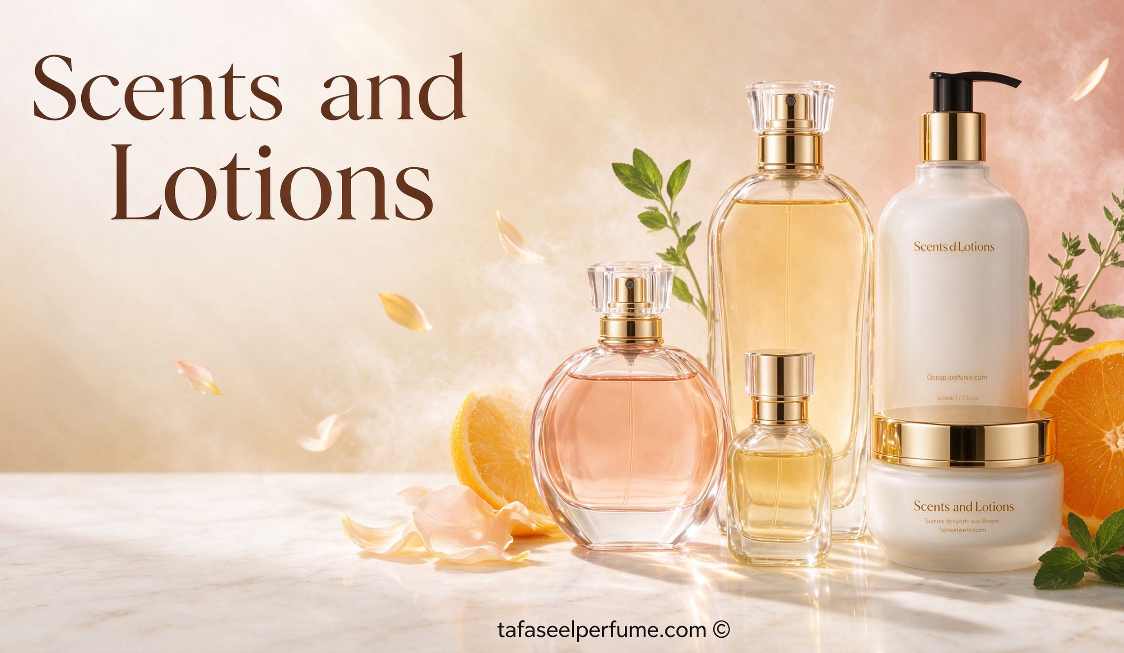
- Scents and Lotions: How to Layer Fragrance and Body Care for a Lasting, Beautiful Scent: Scents and lotions work together to create a more complete personal fragrance routine. A well-chosen body lotion can soften and moisturize the skin while complementing the perfume you wear throughout the day. Whether you prefer fresh florals, warm vanilla, rich woods, or clean everyday aromas, combining the right lotion with a matching fragrance can help you develop a scent that feels balanced, comfortable, and uniquely yours.
Fragrance is more than the perfume applied to your pulse points. Body care products, including scented lotions, creams, body washes, and fragrance gels, can all contribute to the way you smell. When these products share similar scent characteristics, they can create a coordinated fragrance experience. When their aromas are different but complementary, they can add depth and personality to your routine. Understanding how scents and lotions work together makes it easier to choose products for different seasons, occasions, and personal preferences.
This guide explores the relationship between fragrance and body lotion, including scent families, layering techniques, skin preparation, product selection, and everyday application tips. It also explains how to build a practical fragrance collection, choose suitable gift sets, and avoid combinations that feel overwhelming. Whether you are new to fragrance layering or already enjoy experimenting with different perfumes, these ideas can help you make better use of your favorite scents and lotions.
Table of Contents
1. Understanding the Relationship Between Scents and Lotions
Learn how fragrance and moisturizing products work together to create a coordinated body-care routine.
2. Why Moisturizing Matters Before Applying Perfume
Discover why properly moisturized skin can improve the overall fragrance experience.
3. Choosing a Lotion That Matches Your Perfume
Explore how to pair lotions with perfumes through shared notes and compatible scent families.
4. Popular Fragrance Families for Scents and Lotions
Compare floral, fruity, woody, fresh, and gourmand aromas for different preferences.
5. How to Layer Scents and Lotions Correctly
Follow a practical routine for applying body lotion and perfume without overwhelming your fragrance.
6. Scented Lotion vs. Unscented Lotion
Understand the differences between fragranced and fragrance-free body moisturizers.
7. Scents and Lotions for Different Seasons
Choose lighter combinations for warm weather and richer fragrance profiles for cooler months.
8. Finding Everyday Scents for Work and Casual Wear
Build a comfortable fragrance routine that suits daily activities and shared spaces.
9. Perfume and Lotion Gift Sets: What to Look For
Learn how to evaluate fragrance sets, product sizes, packaging, and matching body-care items.
10. How to Make Your Fragrance Last Longer
Explore practical application and storage habits that help preserve your fragrance products.
11. Building a Personal Collection of Scents and Lotions
Create a versatile collection that covers different moods, occasions, and fragrance preferences.
12. Frequently Asked Questions About Scents and Lotions
Find answers to common questions about fragrance layering, lotion selection, and body care.
1. Understanding the Relationship Between Scents and Lotions
Scents and lotions are closely connected because both contribute to the overall fragrance experience. Perfume is generally designed to provide a recognizable aromatic profile, while body lotion primarily supports skin hydration and softness. When a scented lotion is paired with a perfume, the two products can create a layered effect that makes the fragrance routine feel more intentional. The lotion may provide a subtle background aroma, while the perfume adds a more noticeable fragrance character.
Many fragrance collections include matching lotions, creams, shower gels, and other body-care products. These items are often developed around a shared fragrance concept, making them convenient for people who prefer a consistent scent from their morning shower to their evening routine. A matching lotion can also be useful when someone wants a softer fragrance effect instead of applying perfume repeatedly.
However, matching products are not essential. A neutral moisturizer can work with almost any perfume, and different scented products can be combined when their fragrance profiles complement one another. For example, a light floral lotion may work well with a delicate musk perfume, while a warm vanilla moisturizer may add a creamy impression to a soft amber fragrance. The goal is to create a balanced combination rather than simply use as many scented products as possible.
Understanding this relationship also helps shoppers make more informed choices. Instead of selecting products only because their packaging looks attractive, consider the fragrance family, the intended use, the texture, and how each product fits into your existing collection. Exploring Spa & Fragrance products can also provide ideas for creating a more complete body-care and fragrance routine.
2. Why Moisturizing Matters Before Applying Perfume
Moisturizing is an important part of preparing the skin before applying fragrance. Skin that feels dry or rough may not provide the same comfortable application experience as skin that has been properly moisturized. A suitable body lotion helps support the skin barrier and reduces dryness, creating a smoother surface for your fragrance routine. Although moisturizer does not guarantee a particular perfume longevity, it can make fragrance application feel more comfortable and consistent.
For a simple routine, apply lotion after bathing while the skin is clean and gently towel-dried. Use an appropriate amount and spread it evenly across areas such as the arms, legs, and shoulders. Allow the moisturizer to settle before applying perfume. This approach reduces the chance of immediately mixing wet skincare products with fragrance and makes it easier to control how much perfume you use.
Choose a lotion according to your skin's needs rather than fragrance alone. Lightweight lotions may be comfortable in humid weather or for people who dislike heavy textures. Richer creams may be preferable when the skin feels particularly dry. If your skin is sensitive, a fragrance-free moisturizer can be a practical option because it provides hydration without adding another scented product to the routine.
Remember that perfume should not be treated as a substitute for skincare. Fragrance products are designed primarily for their aromatic qualities, not to replace moisturizers or other products formulated for skin care. If you experience irritation, discontinue the product and consider consulting a qualified skincare professional when symptoms persist.
3. Choosing a Lotion That Matches Your Perfume
Choosing a lotion that matches your perfume starts with understanding the scent profile of each product. Look at the fragrance notes and identify the main characteristics. A perfume described as floral may feature rose, jasmine, orange blossom, or other flower-inspired aromas. A woody fragrance may emphasize cedar, sandalwood, vetiver, or patchouli. A gourmand perfume may contain sweet impressions such as vanilla, caramel, chocolate, or almond.
The easiest approach is to pair products from the same fragrance family. A floral perfume can be combined with a floral or softly musky lotion, while a fresh citrus fragrance may work well with a clean, lightly scented moisturizer. This method helps maintain a consistent fragrance direction and is particularly useful for people who are still learning how to layer different products.
Another option is to choose complementary rather than identical aromas. A vanilla lotion, for instance, may add warmth to a fruity perfume, while a clean musk moisturizer can soften the impression of a more complex floral fragrance. These combinations are worth testing in small amounts before using them throughout the day. Fragrance can develop differently depending on the formula, the amount applied, and individual skin characteristics.
If you prefer to keep your routine simple, choose an unscented lotion and let your perfume provide the main aromatic character. If you enjoy coordinated products, explore Coach Perfume and Lotion Set for an example of how perfume and body-care products can be presented together as a fragrance collection.
4. Popular Fragrance Families for Scents and Lotions
Fragrance families offer a useful starting point when selecting scents and lotions. They group aromas according to their general character, making it easier to compare products and identify combinations that suit your preferences. While individual perfumes can contain notes from several families, understanding the dominant style can simplify the selection process.
Floral fragrances are among the most recognizable options. They may feature rose, jasmine, peony, lily, or other flower-inspired notes. Floral lotions can create a soft and elegant body-care experience, especially when paired with perfumes that share a similar character. For people who enjoy delicate floral aromas, Jo Malone Honeysuckle and Jasmine offers an example of a fragrance direction centered on floral character.
Fruity fragrances often feature impressions of berries, citrus, apple, pear, peach, or tropical fruits. They can feel bright, playful, and approachable. A fruity lotion may work well with a fresh perfume, although especially sweet combinations should be tested carefully to avoid creating an overly sugary result.
Woody fragrances commonly include cedarwood, sandalwood, vetiver, and patchouli. These profiles can feel warm, dry, earthy, or sophisticated depending on the formula. A lightly scented lotion can help support a woody perfume without competing with its character. Amber and oriental-inspired fragrances may add resinous, spicy, or warm qualities, making them interesting options for evening wear.
Fresh fragrances often draw on citrus, aquatic, green, and clean musk impressions. They are popular for daytime routines because they can feel light and easy to wear. Gourmand fragrances, by comparison, are inspired by edible aromas such as vanilla, caramel, cocoa, and sweet spices. For cooler weather, a warm lotion may complement a gourmand perfume such as the styles discussed in Fall Gourmand Perfume.
5. How to Layer Scents and Lotions Correctly
Layering scents and lotions is a straightforward process when each product has a clear role. Begin with clean skin and apply your preferred body lotion. Spread it evenly and give it time to absorb. If the lotion has a noticeable fragrance, remember that it will contribute to the final scent, so there may be no need to apply as much perfume as you normally would.
Once the lotion has settled, apply perfume to selected areas. Common application points include the wrists, neck, and other pulse-point areas. Use a moderate amount and avoid rubbing the wrists together, as rubbing can alter the way the fragrance is distributed and may affect the initial scent experience. Allow the perfume to dry naturally.
When using multiple scented products, build the routine gradually. A scented shower gel, body lotion, deodorant, and perfume can create several layers of aroma. If every product has a strong and unrelated fragrance, the result may become confusing or overwhelming. One practical strategy is to keep most body-care products neutral and select one or two items that carry the main fragrance theme.
It is also useful to test a new combination before wearing it for a full day. Apply the lotion and perfume to a small area, then observe how the aroma changes over time. Some combinations smell harmonious immediately but become less balanced as their different notes develop. Testing helps you identify a suitable amount and avoid unnecessary product use.
6. Scented Lotion vs. Unscented Lotion
Scented and unscented lotions serve different preferences. Scented lotions combine moisturizing ingredients with fragrance, allowing them to contribute an additional aroma to your body-care routine. They are useful when you want to complement a perfume, enjoy a subtle scent after bathing, or use a coordinated fragrance set. However, their aroma may influence the way your perfume smells, particularly when the products have very different profiles.
Unscented lotions are often a more flexible option. They can provide moisture without introducing a noticeable fragrance, allowing your chosen perfume to remain the main aromatic focus. This can be especially helpful when wearing a complex fragrance, combining multiple products, or using scented deodorant and hair products at the same time.
It is important to distinguish between unscented and fragrance-free. Some products described as unscented may contain ingredients intended to mask the natural smell of the formula. A fragrance-free product is generally formulated without added fragrance, but shoppers should still review the ingredient list if they have known sensitivities. Product labels and ingredient declarations are more useful than relying on the front packaging alone.
Neither option is automatically better for everyone. The best choice depends on your skin preferences, fragrance habits, and the type of perfume you enjoy. If you want a flexible daily moisturizer, an unscented formula is a practical starting point. If you enjoy a coordinated scent experience, a matching scented lotion may be more appealing.
7. Scents and Lotions for Different Seasons
Seasonal changes can influence which scents and lotions feel most comfortable. Temperature, humidity, clothing, and personal preference all affect the way fragrance is experienced. A fragrance that feels light and refreshing in warm weather may seem too subtle during colder months, while a rich and sweet scent may feel more suitable for winter evenings than for a hot afternoon.
During spring, many people enjoy floral, green, and fresh fruity profiles. Light lotions with soft aromas can complement these fragrances without creating a heavy impression. In summer, citrus, aquatic, and clean musk styles are popular choices. Lightweight moisturizers may feel more comfortable in humid conditions, especially when applied in moderate amounts.
Autumn is a natural time to explore warmer fragrance combinations. Woody, spicy, amber, and gourmand profiles can create a cozy impression. A lotion with vanilla or soft amber characteristics may complement these styles, provided the combined aroma remains balanced. Winter routines can include richer body creams and deeper fragrance profiles, particularly for evening occasions or colder environments.
Seasonal fragrance choices should remain personal rather than rigid. You do not need to replace your entire collection whenever the weather changes. A familiar perfume can work throughout the year when you adjust the amount applied or pair it with a different moisturizer. The most useful approach is to choose products that feel comfortable in your environment and suit the occasion.
8. Finding Everyday Scents for Work and Casual Wear
Everyday fragrances should fit naturally into your routine. For work, school, public transportation, or other shared spaces, a moderate fragrance level is usually more considerate than a strong scent trail. Fresh citrus, gentle florals, clean musk, and soft woody profiles can be useful choices because they often provide a noticeable but restrained fragrance experience.
For a professional routine, consider using a neutral moisturizer and applying a small amount of perfume. This gives you greater control over the final scent and makes it easier to adjust the fragrance according to the environment. If your workplace has fragrance guidelines or if people around you are sensitive to scented products, follow those requirements and keep your routine especially subtle.
Casual wear offers more flexibility. A fruity lotion paired with a fresh perfume can create an easy daytime combination, while a warm vanilla moisturizer may suit relaxed evenings. You can also choose a fragrance based on your clothing, activities, and personal mood. The important point is to avoid assuming that a more powerful fragrance is always better.
For people building a versatile collection, it can help to have one fresh everyday fragrance, one soft floral or musk option, and one warmer scent for special occasions. You can browse Unisex Perfume, Women's Perfume, and Men's Perfume to explore different fragrance categories and discover styles that match your preferences.
9. Perfume and Lotion Gift Sets: What to Look For
Perfume and lotion gift sets are popular because they combine fragrance with practical body-care products. A typical set may include a perfume, body lotion, shower gel, travel-size fragrance, or other coordinated items. The exact contents vary by brand and collection, so it is important to read the product description rather than assume that every set contains the same products.
When choosing a gift set, begin with the recipient's fragrance preferences. Consider whether they enjoy floral, fruity, fresh, woody, spicy, or sweet aromas. If you are unsure, a balanced fragrance profile or a smaller discovery set may be a safer choice than a large collection built around a strong scent preference.
Next, review the product sizes and packaging. A set with a full-size perfume and a smaller lotion may be useful for someone who already knows the fragrance. A mini collection can be more suitable for someone who enjoys testing different scents. Check the product listing for the concentration, volume, included accessories, and any differences between regional packaging.
Gift sets can also make fragrance layering easier because the included body-care products are often designed to complement the perfume. For more ideas, explore Perfume Gift Sets and Mini Size & Gift Sets. If you are considering a particular product, compare its packaging and contents with the seller's detailed description before purchasing.
10. How to Make Your Fragrance Last Longer
Fragrance longevity depends on several factors, including the perfume formula, concentration, application amount, skin characteristics, and surrounding environment. There is no universal method that guarantees a perfume will last for a specific number of hours. However, a consistent application routine and appropriate product storage can help you get a more reliable experience from your fragrance collection.
Start by moisturizing your skin with a lotion that suits your needs. Apply perfume after the lotion has absorbed, focusing on a few selected areas rather than spraying excessively. Avoid rubbing the fragrance into the skin. If you want to refresh the scent later, consider carrying a travel-size product when practical and follow the product's application instructions.
Clothing can sometimes retain fragrance longer than skin, but fabric compatibility matters. Always check the perfume label and test carefully before applying fragrance to clothing. Some formulas may leave marks or affect delicate materials. Avoid spraying perfume directly onto jewelry, leather, or other sensitive surfaces.
Storage is equally important. Keep perfume bottles away from direct sunlight, excessive heat, and frequent temperature changes. A cool, dry storage area is generally preferable to a bathroom shelf exposed to humidity and temperature fluctuations. Keep lids closed when the products are not in use, and follow any storage guidance provided by the manufacturer.
11. Building a Personal Collection of Scents and Lotions
A useful collection of scents and lotions does not need to contain dozens of products. Start with a few versatile options that serve different purposes. A neutral moisturizer can work with almost any perfume, while a scented lotion can provide a coordinated option for a favorite fragrance. Add perfumes that represent different scent families so you have choices for everyday wear, special occasions, and seasonal changes.
It is helpful to keep track of the combinations you enjoy. Note the perfume name, lotion type, application amount, and how the fragrance develops throughout the day. This simple habit can prevent unnecessary purchases and help you identify the scent profiles that suit you best. If a combination feels too sweet, too strong, or too complicated, adjust one product at a time instead of changing the entire routine.
Consider practical details when expanding your collection. Product size, packaging, ingredients, price, and availability can all affect whether a purchase is worthwhile. Smaller bottles and discovery sets are useful when trying unfamiliar fragrances, while larger products may make sense for scents you already use regularly. Always buy from sellers you trust and review product details carefully.
Finally, allow your collection to reflect your own preferences. Some people prefer a small selection of clean and fresh fragrances, while others enjoy exploring rich florals, woods, spices, and gourmand aromas. There is no single correct fragrance wardrobe. The best collection is one that feels enjoyable, comfortable, and practical for your lifestyle.
12. Frequently Asked Questions About Scents and Lotions
What are scents and lotions?
Scents and lotions refer to fragrance products and moisturizing body-care products that can be used separately or together. A scented lotion provides hydration while adding an aroma, whereas perfume is primarily designed to create a recognizable fragrance. Using them together can create a more coordinated personal fragrance routine.
Should I apply lotion before or after perfume?
For a typical fragrance-layering routine, apply lotion first and allow it to absorb before applying perfume. This gives the moisturizer time to settle and makes it easier to control the amount of fragrance used. Follow the instructions on individual products when they specify a different application method.
Does scented lotion make perfume last longer?
A moisturizer may help create a comfortable base for fragrance application, but scented lotion does not guarantee longer perfume longevity. The result depends on the perfume formula, skin characteristics, environment, and the interaction between the products. A matching lotion may also add a subtle fragrance layer.
Can I use different brands of lotion and perfume together?
Yes. Lotion and perfume do not need to come from the same brand. Choose products with compatible fragrance characteristics, such as floral with floral, fresh with clean musk, or vanilla with warm amber. Test the combination in small amounts to make sure the aromas work well together.
Is unscented lotion better for perfume layering?
Unscented or fragrance-free lotion is often a flexible choice because it does not add another noticeable scent to the routine. It allows the perfume to remain the main fragrance. However, people who enjoy coordinated body-care products may prefer a matching scented lotion.
Can I combine two scented lotions?
You can experiment with two scented lotions, but it is usually easier to begin with one lotion and one perfume. Combining several strong fragrances may produce an unbalanced result. If you want to try two lotions, use small amounts and choose aromas that share compatible characteristics.
Which lotion scent works best with vanilla perfume?
Vanilla perfume can pair well with vanilla, soft musk, amber, coconut, or some gentle floral lotions. The best combination depends on whether you want a sweeter, warmer, creamier, or fresher result. Test the products together before making them part of your regular routine.
Are perfume and lotion gift sets worth buying?
They can be worthwhile when you enjoy the fragrance and expect to use the included body-care products. Compare the total product volume, individual sizes, packaging, and price with buying the items separately. Check the exact contents because gift-set combinations can vary between retailers and product editions.
How should I store scented lotions and perfumes?
Keep both products in a cool, dry place away from direct sunlight and excessive heat. Close containers securely after use and follow the manufacturer's storage recommendations. Avoid leaving fragrance products in hot vehicles or areas with frequent temperature changes.
Can sensitive skin use scented lotions?
Some people with sensitive skin may react to fragrance ingredients. Review the ingredient list, consider fragrance-free moisturizers, and follow product directions. Discontinue use if irritation occurs. Persistent or severe skin reactions should be discussed with a qualified healthcare professional.
How many fragrance products should I layer at once?
There is no fixed number, but a simple routine is often easier to manage. A body wash, one lotion, and one perfume are usually sufficient for a coordinated fragrance experience. Keeping some products fragrance-free can also prevent competing aromas.
Can I wear the same scents and lotions throughout the year?
Yes. Personal preference matters more than seasonal rules. You may enjoy fresh fragrances in summer and warmer aromas in winter, but a favorite perfume can be worn in any season. Adjust the amount applied and choose a lotion texture that feels comfortable in the current weather.
Conclusion: Create a Fragrance Routine That Feels Personal
Scents and lotions offer a simple way to combine body care with personal fragrance. A suitable moisturizer supports skin comfort, while a carefully selected perfume adds character to your daily routine. By understanding fragrance families, choosing compatible products, and applying each layer in a controlled way, you can create combinations that feel balanced and enjoyable.
Start with the products you already own, experiment with one combination at a time, and pay attention to how each fragrance develops. Whether you prefer fresh citrus, elegant florals, soft musk, warm woods, or sweet gourmand aromas, the most effective routine is one that suits your skin, environment, and personal taste. Explore different perfume articles and reviews to learn more about fragrance styles, product choices, and ways to build a collection that works for you.


