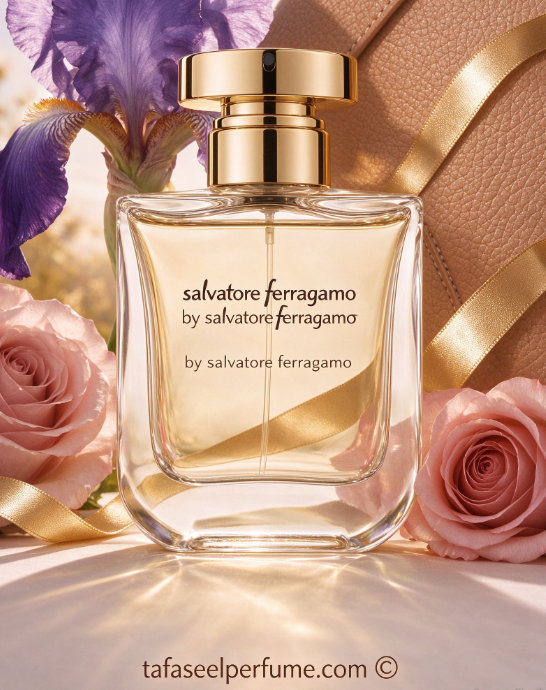
- Salvatore Ferragamo by Salvatore Ferragamo: The Complete Guide to the House's Self-Named Scent Philosophy: Short intro: A focused look at the Salvatore Ferragamo by Salvatore Ferragamo designation — the house's self-signed releases, from the 1999 Pour Homme to the modern Uomo and Signorina pillars — with notes, performance, and buying context.
Salvatore Ferragamo by Salvatore Ferragamo is more than a naming convention — it is a statement of authorship. In a fragrance market crowded with licensed releases and ghost-composed flankers, a bottle that carries the founder's name twice asks a simple question: does the scent live up to the signature? This guide examines what the double-name designation actually means across the Ferragamo fragrance line, which releases carry it, how they perform, and where they fit in a wardrobe that already has room for men's perfume and women's perfume that do not need a heritage story to justify their place.
Long intro: Salvatore Ferragamo founded his company in Florence in 1927, building a reputation on handcrafted footwear before the house extended into fragrance through a licensing arrangement that has passed through different hands over the decades. The phrase Salvatore Ferragamo by Salvatore Ferragamo appears most visibly on the 1999 Pour Homme and on packaging that emphasizes direct authorship rather than a sub-collection. It signals a scent composed under the founder's name rather than a pure licensee exercise — though the modern fragrance business is produced and distributed by Inter Parfums under a long-term license signed in 2021. What the double name promises, in practice, is continuity: a Ferragamo scent should feel Italian, polished, and wearable without demanding attention. The house's fragrance output tends to be soft and well-mannered — fruity florals with a creamy base on the women's side, aromatic or leathery woods on the men's side. If you are exploring the line for the first time, the double-name bottles are the clearest entry point into that philosophy.
1. What "Salvatore Ferragamo by Salvatore Ferragamo" Actually Means
2. Pour Homme (1999): The Original Double-Name Scent
3. Uomo (2016): Tiramisu, Leather, and the Modern Ferragamo Man
4. Signorina (2011): The Floral Pillar That Defined the Women's Line
5. Signorina Misteriosa (2016): Blackberry, Tuberose, and the Darker Flank
6. Amo Ferragamo (2018): Bitter Italian Accord and the Feminine Woody Musk
1. What "Salvatore Ferragamo by Salvatore Ferragamo" Actually Means
The double-name format is not unique to Ferragamo, but in this house it carries a specific weight. Salvatore Ferragamo himself was a shoemaker before he was a brand — he apprenticed in Naples at eleven, emigrated to the United States, and returned to Florence to incorporate his company in 1927. The house's identity is built on the idea that a single craftsman's name can guarantee a standard. When that name appears twice on a fragrance, the implication is that the scent is not a side venture but an extension of the founder's own sensibility.
In practice, the designation appears most prominently on the 1999 Salvatore Ferragamo pour Homme, a woody floral musk composed by Jean-Pierre Mary. It is a scent that does not try to compete with the louder designer releases of its era. Instead, it leans on fig leaf, sandalwood, and a soft leather base — materials that connect back to the house's leather-goods origins. That connection is not incidental. Ferragamo's fragrance line includes a dedicated leather range (Intense Leather, Spicy Leather, Bright Leather) that explicitly nods to the shoemaking heritage, and even the non-leather releases tend to carry a smooth, finished quality that feels closer to a well-made accessory than a statement piece.
The double-name bottles are also the ones most often discussed in terms of value. Pour Homme has been described by longtime wearers as one of the best quality-to-price ratios in the designer segment, with some finding it comparable to niche releases at a fraction of the cost. That value proposition matters because it reframes the question: the double name is not a luxury premium in this case — it is a quiet promise that the essentials have been handled. If you are building a collection around unisex perfume or looking for a signature that does not announce itself, the self-signed Ferragamo bottles are worth understanding before you spend on trend-driven alternatives.
2. Pour Homme (1999): The Original Double-Name Scent
Salvatore Ferragamo pour Homme is the reference point for the entire double-name conversation. Launched in 1999 and composed by Jean-Pierre Mary, it is classified as a woody floral musk — a category that undersells how green and fig-driven the opening actually is. The top notes bring fig leaf, grapefruit, caraway, Brazilian rosewood, cyclamen, African geranium, and neroli. The heart moves into carnation, cardamom, rose, jasmine, and orris root. The base is where the Ferragamo character settles: cedar, vetiver, leather, sandalwood, musk, and oakmoss.
What makes Pour Homme worth revisiting in 2026 is how little it resembles the current masculine mainstream. There is no aggressive sweetness, no overloaded ambroxan, no attempt to be a compliment magnet. Wearers consistently describe it as a "mature" scent — not in the sense of being dated, but in the sense of being resolved. One long-term reviewer notes that it performs well across climates and occasions, lasting up to eight hours on skin with a moderate but present trail, and that the fig-leaf opening is one of the most convincing in designer perfumery. Another describes it as smelling like a garden — green, clean, and quietly distinctive rather than loud.
The performance expectations should be calibrated. Not every wearer gets eight hours. Some report six hours with a softer projection after the first hour, which is typical for a 1999 EDT composition that relies on natural-feeling materials rather than heavy fixatives. The trade-off is that Pour Homme smells expensive in a way that many modern EDTs do not: the sandalwood and leather base reads smooth rather than synthetic, and the fig leaf gives it an herbal lift that keeps the composition from feeling heavy. For anyone who has been disappointed by the sharpness of contemporary "blue" fragrances, Pour Homme is a useful corrective. It is also a natural companion to the kind of white cologne for men that prioritizes cleanliness over projection — Pour Homme occupies a similar emotional space, but with more texture and a leather undertone.
Where Pour Homme becomes complicated is availability. It is not always on the shelf in every retailer, and the double-name packaging has gone through revisions. If you are hunting a bottle, the cologne near me logic applies: brand counters and authorized stockists are the safest route, but reputable discounters sometimes carry older stock at strong prices. The scent itself has not been reformulated into oblivion, which is more than can be said for many 1999 releases.
3. Uomo (2016): Tiramisu, Leather, and the Modern Ferragamo Man
If Pour Homme is the archival double-name scent, Uomo is the modern commercial pillar — and it carries the Ferragamo name with a very different set of priorities. Launched in 2016, Uomo is an oriental woody EDT built around an unusual gourmand heart: tiramisu. The top notes are black pepper, cardamom, and bergamot; the heart brings sweet notes, ambroxan, and orange blossom; the base settles into sandalwood, cashmere wood, and tonka bean.
The result is a fragrance that smells like dessert without crossing into cloying territory. Reviewers describe it as "sweet but still masculine," with the vanilla and warm caramel aspects standing out against the pepper and cardamom opening[reference:14]. The tiramisu note is the differentiator — it gives Uomo a creamy, coffee-adjacent richness that is uncommon in the designer masculine space. Performance is generally strong: the product literature cites eight-plus hours with moderate sillage, and wearer reports place it in the six-to-eight-hour range depending on skin chemistry. It is explicitly positioned for evening wear, though the cardamom and bergamot opening makes it wearable in cooler daytime settings as well.
Uomo also exists in a Signature concentration that pushes the formula darker: spicy cardamom and coffee up top, creamy leather and tonka bean in the base, with very good longevity and what wearers call "pleasant sillage"[reference:16]. The Signature flanker is the one to consider if the original Uomo feels too bright or too sweet. It keeps the tiramisu DNA but filters it through a leather lens that connects more directly to the house's shoemaking heritage. For a broader survey of how Uomo sits alongside other modern masculines, the best summer mens colognes guide is a useful counterpoint — Uomo is not a summer freshie, but understanding what it is not helps clarify its role as a cool-weather signature.
4. Signorina (2011): The Floral Pillar That Defined the Women's Line
Signorina is the fragrance most people associate with Ferragamo's women's line, and for good reason. Launched in 2011, it is a fruity floral built on blackcurrant and pink pepper at the top, jasmine, rose, and peony in the heart, and a base of patchouli, panna cotta, and musk. The panna cotta note is the signature twist — it gives Signorina a creamy, dessert-adjacent softness that distinguishes it from the sharper fruity florals of the 2010s.
Wearer descriptions consistently emphasize that Signorina is not a "sweet perfume" in the gourmand sense. It reads as a classic clean floral with a musky, slightly caramelized base — jasmine and peony are the most prominent heart notes, with rose in support. Longevity is generally reported around six hours, with moderate projection that stays close enough to be office-appropriate but present enough to be noticed in intimate settings. The bottle design reinforces the Italian styling: a square jewelry-box shape topped with a double pink grosgrain ribbon inspired by the Vara Bow, with a curved neck that references the opening of a ballet shoe. It is a fragrance that looks like Ferragamo and smells like a polished, well-mannered floral — exactly the brief the house sets for its women's pillar.
Signorina's importance is structural as much as olfactory. It established the template that later Ferragamo feminines follow: a fruit opening, a floral heart with at least one unusual twist (panna cotta here, tuberose or bitter accord elsewhere), and a soft musk-wood base. If you are exploring the line, Signorina is the anchor. The Jo Malone Orange Blossom comparison is instructive only insofar as both scents prioritize wearability over drama — Signorina is the more textured and arguably more Italian of the two, with the panna cotta giving it a sensuality that a pure citrus floral does not attempt.
5. Signorina Misteriosa (2016): Blackberry, Tuberose, and the Darker Flank
Signorina Misteriosa takes the Signorina blueprint and pushes it into darker, fruitier territory. The top notes are wild blackberry and neroli; the heart brings orange blossom and tuberose; the base is patchouli and black vanilla. Where the original Signorina is a clean floral with a creamy undertone, Misteriosa is explicitly a "sugary vanilla blackberry" scent — the blackberry note reads syrupy but not synthetic, and the dry-down is described by wearers as "incredibly delicious".
The tuberose is the key to why Misteriosa works. It adds a creamy, floral richness that balances the sweetness of the blackberry and vanilla, preventing the composition from collapsing into a single fruit note. The patchouli in the base gives it a subtle earthiness that keeps the gourmand elements in check. Longevity is more variable than the original Signorina: some wearers report only four hours, while others find the blackberry-vanilla dry-down persists longer on clothing. It is a fragrance best approached as an evening or cool-weather scent — the sweetness has more room to breathe when the temperature drops. For anyone who finds the original Signorina too polite, Misteriosa is the flanker that adds a little shadow without abandoning the house's preference for smooth, wearable compositions.
6. Amo Ferragamo (2018): Bitter Italian Accord and the Feminine Woody Musk
Amo Ferragamo is the line's attempt to do something more aromatic and less conventionally sweet. The original 2018 release opens with an "Italian bitter accord" alongside blackcurrant and rosemary — a combination that reads herbal and slightly tart rather than sugary. The heart brings jasmine sambac and mate absolute, and the base is white vanilla Tahitensis absolute with woody and musky undertones.
The Per Lei version simplifies the concept into a pear-raspberry opening with magnolia and osmanthus in the heart and a cashmere musk-sandalwood-cedar base. Both versions share a "creamy sweet and flowery yet fresh" character — the bitterness of the original keeps the sweetness in check, while the Per Lei flanker leans more directly into the juicy-fruity register. Wearers describe Amo as a long-lasting, persistent scent with a sensual trail; the vanilla is noticeable from start to finish, and the rosemary adds a green, aromatic lift that prevents the composition from feeling flat. If Signorina is the classic and Misteriosa is the indulgent flank, Amo is the most "perfume-y" of the three — it has the structure and persistence of an eau de parfum that expects to be noticed, while still staying within the Ferragamo preference for smoothness over sharpness.
Frequently Asked Questions
Is Salvatore Ferragamo by Salvatore Ferragamo a men's or women's fragrance?
The double-name designation appears most specifically on Salvatore Ferragamo pour Homme, which is a masculine woody floral musk launched in 1999. However, the broader Ferragamo fragrance line includes distinct men's and women's pillars — Uomo and F Black for men, Signorina and Amo for women — so the phrase is often used as a shorthand for the house's self-authored releases rather than a single gendered product. The line also includes unisex perfume releases, though these are less commonly discussed under the double-name framing.
How long does Salvatore Ferragamo pour Homme last?
Performance varies by skin chemistry and climate, but the common range is six to eight hours, with projection that is moderate rather than room-filling. Some wearers report a softer four-to-six-hour window, especially in hot weather, while others find the sandalwood and leather base persists closer to eight hours. It is an EDT from 1999, so it does not have the fixative intensity of a modern extrait — reapplying once during a long day is a reasonable practice rather than a failure of the scent.
Is Uomo too sweet for office wear?
Uomo is built around tiramisu and tonka bean, so it is undeniably a sweet fragrance, but the black pepper and cardamom opening gives it enough spice to keep the sweetness from becoming cloying. Most wearers find it more appropriate for evening or cool-weather daytime than for a warm-weather office. If you want the Uomo DNA in a more office-friendly register, the Uomo Signature pushes the leather and coffee notes forward and reads slightly drier and more mature.
What is the difference between Signorina and Signorina Misteriosa?
Signorina is a clean fruity floral with blackcurrant, peony, jasmine, and a panna-cotta-musk base — polished, versatile, and easy to wear across seasons. Signorina Misteriosa is a darker, fruitier gourmand with wild blackberry, tuberose, patchouli, and black vanilla, reading as a sugary blackberry-vanilla scent with more evening and cool-weather weight. The choice between them is essentially a choice between "clean floral" and "indulgent fruity" — both share the house's smoothness, but they occupy different registers.
Where is the safest place to buy a Ferragamo fragrance?
Authorized stockists and brand-linked counters are the safest route for current releases, especially if you are buying a gift or a bottle you intend to keep for years. Ferragamo fragrances are produced and distributed under license by Inter Parfums, and the licensed supply chain flows through official retail channels. For discontinued or older bottles like Pour Homme, reputable discounters and fragrance-specific retailers sometimes carry remaining stock, but the usual caution applies: check batch codes, avoid prices that are implausibly low, and prefer sellers with clear return policies. The brands and ranking sections of a specialist retailer are often more reliable for context than marketplace listings alone.
Does the double name mean the fragrance is made in Italy?
Not necessarily in the literal manufacturing sense. The Ferragamo brand is Italian, founded in Florence in 1927, and the house maintains its headquarters and creative identity there. However, fragrance production and distribution for the brand are handled by Inter Parfums under a licensing agreement, and the juice itself may be composed by perfumers of different nationalities and produced in facilities outside Italy. The "Italian-ness" of a Ferragamo scent is a stylistic quality — a preference for smoothness, wearable elegance, and materials that feel finished — rather than a guarantee of geographic origin on the batch code.


