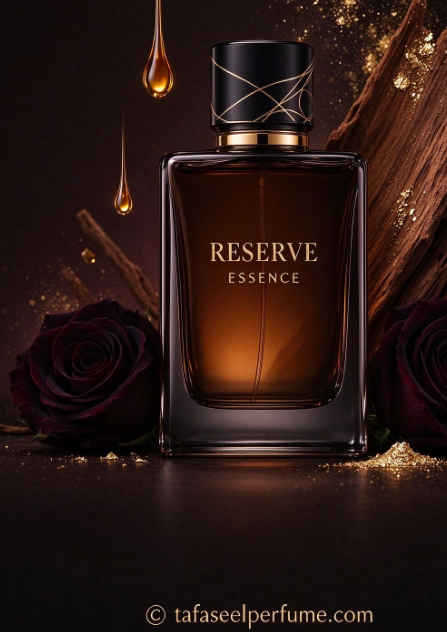
- Reserve Essence: Unlocking the Hidden Power of Fragrance Concentration: Short Intro: Reserve essence is the secret behind every unforgettable scent — a concentrated heart of rare materials that gives perfume its depth, longevity, and soul. Discover how this concept transforms the way you choose, wear, and cherish fragrance.
Long Intro: In the world of fine fragrance, the term reserve essence refers to the carefully guarded, highly concentrated core of a perfume’s formula — the part that carries the most precious raw materials and the perfumer’s true signature. Unlike mass-market dilution, a reserve essence is built slowly, often aged for months, allowing notes to marry and mature into a seamless whole. Understanding reserve essence helps you recognise quality, appreciate craftsmanship, and select scents that evolve beautifully on your skin rather than fading within minutes. Whether you are exploring Unisex Perfume, searching for a signature Women s Perfume, or investing in a bold Men s Perfume, the presence of a genuine reserve essence is often the difference between a fleeting impression and a lasting memory. In this guide, we break down the concept into practical insights, from how reserve essences are composed to how they influence sillage, projection, and skin chemistry — and we point you toward categories like Perfume Gift Sets and Mini Size & Gift Sets where concentrated craftsmanship shines brightest.
What Exactly Is a Reserve Essence in Perfumery?
A reserve essence is the concentrated aromatic heart of a fragrance — the portion of the formula that contains the highest ratio of precious absolutes, resins, oud, or floral extracts. Perfumers set aside this reserve to age, sometimes for six months or longer, before blending it into the final composition. The result is a scent with remarkable roundness: sharp edges soften, individual notes weave together, and the fragrance gains a velvety, almost tactile quality. In practical terms, reserve essence functions as the memory of a perfume — it holds the story the perfumer wants to tell long after the top notes have lifted away. When you test a fragrance, pay attention to the dry-down; if it feels rich, coherent, and quietly persistent, you are likely experiencing the influence of a well-made reserve essence.
How Reserve Essence Shapes Longevity and Sillage
The concentration and quality of a reserve essence directly influence two of the most discussed performance factors in fragrance: longevity and sillage. A robust reserve essence typically contains heavier molecules — resinoids, musks, and woody ambers — that cling to skin and fabric for hours. Sillage, the scent trail you leave behind, is equally affected: reserve essences built on rich florals and balsams tend to project with a soft but insistent aura rather than a sharp chemical blast. This is why two perfumes with identical note lists can perform very differently. If lasting power matters to you, look for descriptions that mention aged essences, absolutes, or high concentration — and explore curated selections such as Spa & Fragrance or Fragrance Gels, where concentrated formulations are often prioritised.
Reserve Essence and Skin Chemistry: A Personal Partnership
No two skins wear a reserve essence the same way. Factors like pH, natural oils, hydration, and even diet alter how the heavier molecules in a concentrated essence unfold. On dry skin, a resin-rich reserve essence may bloom slowly and stay close; on oilier skin, the same essence can radiate with greater intensity. This is why sampling is essential. Apply a fragrance to pulse points and let it develop for at least thirty minutes before judging it. Notice how the reserve essence behaves in the base — does it turn powdery, smoky, or syrupy? Understanding this interaction empowers you to choose scents that feel like a second skin, whether you are browsing Body Art or layering with Body Art-adjacent body products for a more nuanced trail.
The Raw Materials Behind a Great Reserve Essence
Reserve essences are defined by their ingredients. Natural oud, ambergris, iris absolute, jasmine sambac, and rare sandalwood are classic hallmarks of a luxury reserve. These materials are costly and labour-intensive, which is why reserve essence fragrances sit at a higher price point. However, modern perfumery also uses sophisticated synthetic molecules to mimic and extend these effects — captive musks and woody ambers can create a reserve-like depth with greater consistency and sustainability. The key is balance: a great reserve essence does not simply pile on heavy notes; it uses them sparingly so the fragrance remains wearable. For those who appreciate craftsmanship, exploring Perfume Brands known for artisanal blending and Perfume Ranking and Top Lists can help identify houses that prioritise genuine reserve essences over marketing claims.
Reserve Essence in Gift Sets and Miniatures
Gift sets and miniature collections are an excellent entry point into the world of reserve essence. A well-curated set allows you to experience multiple concentrated compositions side by side, comparing how different reserve essences evolve on your skin. Miniature formats are especially useful because you can revisit a scent across seasons and moods without committing to a full bottle. When browsing Perfume Gift Sets or Mini Size & Gift Sets, look for sets that highlight extrait, parfum, or “essence” concentrations rather than eau de toilette alone. These formats often reveal the true character of a reserve essence — its quiet complexity, its slow reveal, and its intimate staying power.
Layering with Reserve Essence: Advanced Fragrance Play
Because reserve essences are concentrated and structurally rich, they layer beautifully with lighter fragrances. A common technique is to apply a light citrus or floral eau de toilette first, then dab a reserve-essence-based parfum on top to anchor the composition. This approach lets you customise sillage and create a scent that is uniquely yours. Be mindful of balance: one strong reserve essence is usually enough to carry a layering combination. Experiment with categories like Skin Care & Tools(facial) for unscented bases that will not compete with your fragrance, and consider Aesthetic medicine or Beauty Equipment contexts where a subtle reserve essence can complement a polished, professional appearance.
Caring for Reserve Essence Fragrances
Reserve essence perfumes are investments and deserve proper care. Store bottles away from direct sunlight, heat, and humidity — a cool, dark cabinet is ideal. Avoid shaking the bottle; gentle handling preserves the integrity of aged essences. Over time, a well-kept reserve essence may continue to evolve, deepening in colour and rounding out in scent. This slow maturation is part of the charm. If you enjoy exploring the ritual of fragrance care, you may also appreciate Nail Supplies and Makeup Tools that support a considered beauty routine, or Eyelash Beauty & Tools and Hair Extensions & Wigs for a complete personal styling experience.
Reserve Essence and Children’s Fragrance: A Gentle Approach
Reserve essences are not only for adults. In children’s and baby fragrance lines, the concept is applied with extraordinary care — using the gentlest concentrated accords, often alcohol-free and allergen-screened. The goal is not performance but comfort: a soft, skin-friendly reserve of calming notes like chamomile or light citrus. Parents exploring Children Baby s Perfume should look for transparent ingredient lists and patch-test before regular use. Even in this delicate category, the reserve essence philosophy — quality over quantity, patience over speed — holds true.
The Future of Reserve Essence: Sustainability and Transparency
As the fragrance industry moves toward greater sustainability, reserve essence is being redefined. Brands are investing in regenerative farming of iris and sandalwood, ethical oud plantations, and green chemistry that produces biodegradable musk substitutes. Transparency is also rising: consumers increasingly want to know where a reserve essence comes from and how it was aged. Reading editorial resources such as Perfume and Beauty can help you stay informed about these shifts. Ultimately, the future of reserve essence lies in balancing heritage craftsmanship with ecological responsibility — a challenge that the most thoughtful houses, including those featured in the Tafaseel collection, are actively embracing.
Choosing Your First Reserve Essence Fragrance
If you are new to reserve essences, start with a small format or a discovery set. Test two or three fragrances from different families — a floral, a woody, and an oriental — and note how each reserve essence develops over six to eight hours. Pay attention to the final hours: does the base feel rich and satisfying, or thin and scratchy? This simple test tells you more than any marketing copy. Then explore broader categories like Unisex Perfume for shared wearability, or browse Women s Perfume and Men s Perfume with an eye on the base note descriptions. Over time, you will develop a personal library of reserve essences that feel authentically yours.


