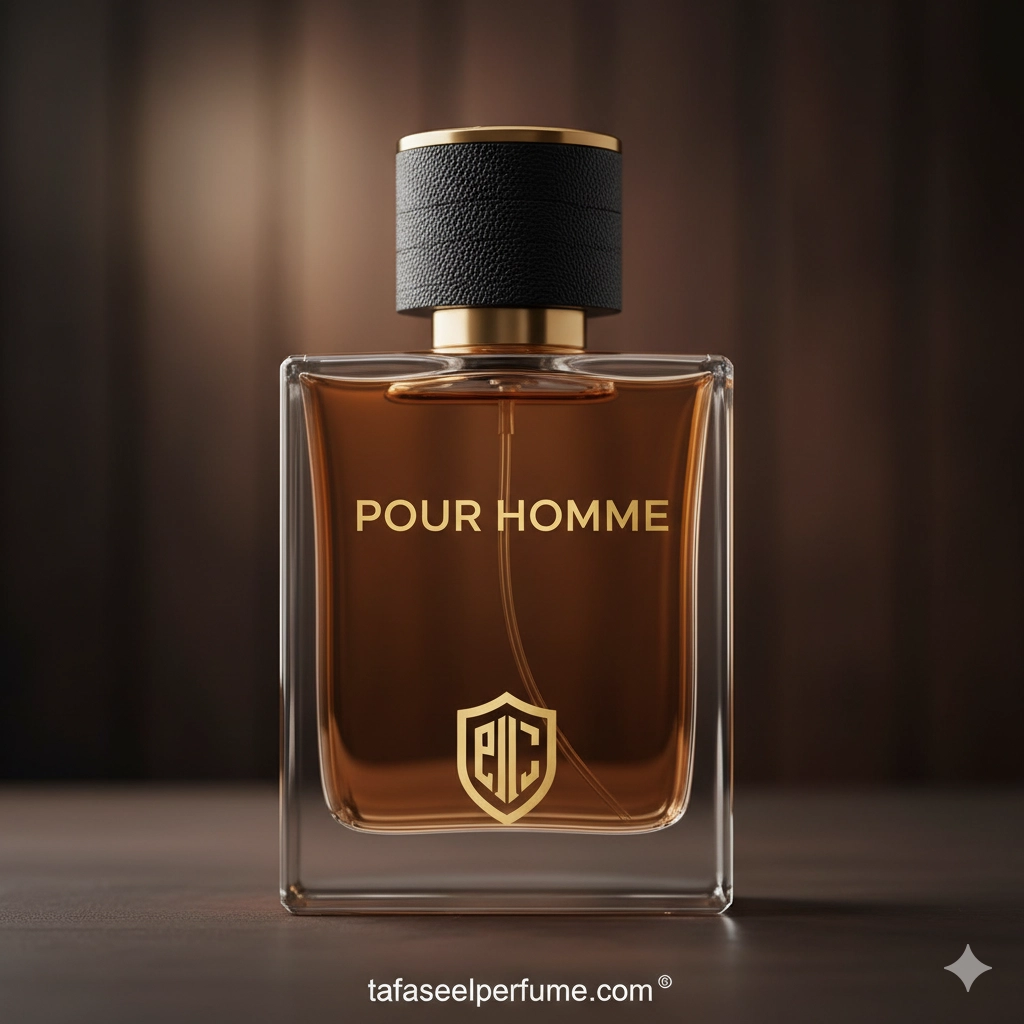
- Pour Homme Fragrance Guide: Discover the Essence of Masculine Elegance: Introduction: The keyword “pour homme” represents a timeless category in perfumery dedicated to men’s fragrances. It embodies sophistication, strength, and identity through scent.
Overview: “Pour homme,” a French term meaning “for men,” is widely used in the fragrance industry to classify perfumes specifically crafted for masculine appeal. These scents range from fresh citrus blends to deep woody compositions, each designed to reflect personality, lifestyle, and occasion. Whether you are seeking a signature scent or exploring new olfactory territories, pour homme fragrances offer an extensive palette of aromas that define modern masculinity. From classic heritage brands to contemporary niche creations, understanding pour homme fragrances helps elevate grooming routines and personal branding.
Explore related collections:
Contents:
1. What Does Pour Homme Mean in Perfumery – Understanding the definition and origin
2. Key Fragrance Notes in Pour Homme Scents – Common ingredients and accords
3. How to Choose the Right Pour Homme Fragrance – Selection strategies based on lifestyle
4. Seasonal Variations of Pour Homme Perfumes – Matching scents with weather
5. Longevity and Projection Explained – Performance factors in fragrances
1. What Does Pour Homme Mean in Perfumery
Definition and Context: The phrase “pour homme” originates from French labeling traditions in luxury goods, particularly in fragrance. It explicitly designates that a perfume is formulated with masculine olfactory preferences in mind. Historically, these fragrances emphasized bold, earthy, and aromatic profiles. Over time, however, the definition has evolved, and modern pour homme scents can include sweet, aquatic, and even gourmand notes. The classification is less about strict rules and more about marketing orientation and consumer perception.
2. Key Fragrance Notes in Pour Homme Scents
Olfactory Composition: Pour homme fragrances typically feature a structured pyramid of top, middle, and base notes. Common top notes include citrus elements like bergamot and lemon, providing freshness. Middle notes often consist of spices such as cardamom or lavender, adding complexity. Base notes like sandalwood, cedarwood, amber, and musk deliver depth and longevity. These combinations create a balanced scent profile that evolves over time, offering both immediate appeal and lasting impression.
3. How to Choose the Right Pour Homme Fragrance
Selection Strategy: Choosing the right pour homme fragrance involves evaluating personal style, daily activities, and environmental factors. For office settings, subtle and clean scents are preferable, while bold and intense fragrances suit evening events. Skin chemistry also plays a crucial role, as it can alter how a scent develops. Testing fragrances on skin rather than paper strips ensures a more accurate assessment. Additionally, considering concentration types such as Eau de Toilette or Eau de Parfum helps determine intensity and longevity.
4. Seasonal Variations of Pour Homme Perfumes
Seasonal Matching: Fragrance performance and perception vary with climate. In warmer months, lighter compositions with citrus, aquatic, or green notes provide freshness and prevent overwhelming intensity. During colder seasons, richer scents with woody, spicy, or oriental notes offer warmth and depth. Adapting your pour homme fragrance to the season enhances both comfort and effectiveness, ensuring the scent complements rather than clashes with environmental conditions.
5. Longevity and Projection Explained
Performance Metrics: Longevity refers to how long a fragrance remains detectable on the skin, while projection describes how far the scent radiates. Pour homme fragrances vary widely in these aspects depending on concentration, ingredient quality, and formulation. Heavier base notes like oud or amber typically increase longevity, whereas lighter citrus notes fade more quickly. Understanding these metrics allows users to select fragrances that align with their expectations and usage scenarios.
Further exploration:


