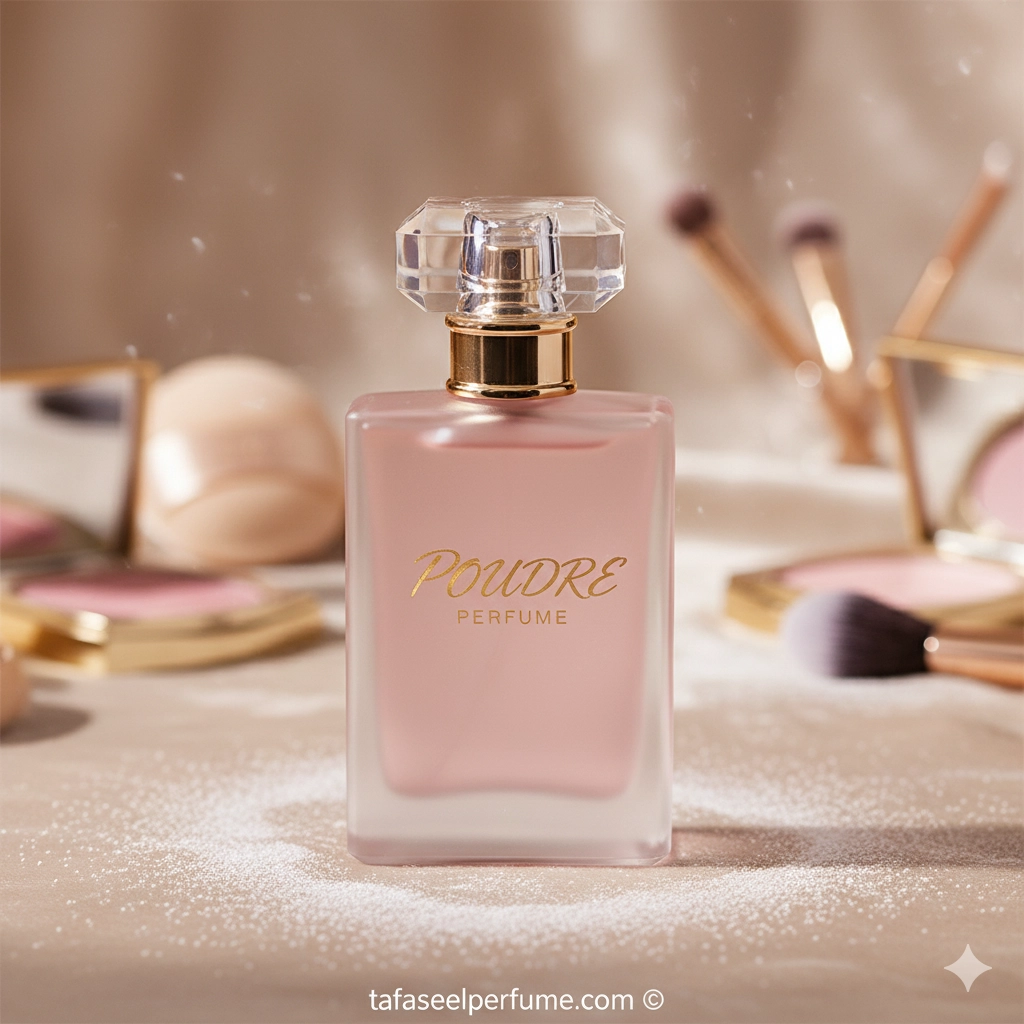
- Poudre Perfume: The Ultimate Guide to Soft, Powdery Fragrances: Poudre Perfume: The Ultimate Guide to Soft, Powdery Fragrances
Poudre perfumes capture the essence of softness and elegance, featuring delicate powdery notes that evoke memories of luxury cosmetics and timeless beauty. These fragrances blend floral, musky, and vanilla accords to create comforting, sophisticated scents perfect for everyday wear and special occasions.
Discover the definition and characteristics of powdery fragrances that make them unique in the perfume world.
Explore the fascinating evolution of poudre perfumes from ancient times to modern creations.
Key Notes in Poudre Fragrances
Learn about the essential ingredients that create the signature soft, powdery effect in perfumes.
Best Poudre Perfumes for Women
Discover the top-rated powdery fragrances that have become classics in women's perfumery.
Get expert tips on when and how to wear powdery scents for maximum impact and longevity.
Seasonal Guide to Poudre Fragrances
Find out which seasons and occasions are perfect for wearing powdery perfume notes.
Learn the art of combining powdery perfumes with other fragrance families for unique creations.
Understand the key differences between powdery and floral perfume compositions.
Modern Interpretations of Poudre
Explore how contemporary perfumers are reinventing classic powdery scents for today's market.
The Psychology of Powdery Scents
Discover why powdery fragrances evoke such strong emotional responses and memories.
Creating Your Own Poudre Scent
Learn about custom perfume creation with powdery notes and how to blend your signature scent.
Poudre Perfumes in Popular Culture
Explore how powdery fragrances have been represented in film, literature, and celebrity culture.
Caring for Your Poudre Perfume
Get essential tips on storing and maintaining your powdery fragrances to preserve their quality.
The Future of Poudre Fragrances
Look ahead at emerging trends and innovations in the world of powdery perfumes.
Discover the best places to find authentic powdery fragrances and how to identify quality products.
What is Poudre Perfume?
Poudre perfume refers to fragrances characterized by soft, powdery notes that resemble the scent of cosmetic powders, baby powder, or talcum. These scents typically feature ingredients like iris, violet, heliotrope, and musk that create a velvety, skin-like quality. The powdery effect is often achieved through the use of orris root (from iris flowers), which has a natural powdery character, combined with vanilla, tonka bean, and soft musk. Similar to the delicate approach found in pastel perfumes, poudre fragrances offer subtle sophistication rather than bold intensity. They're known for their comforting, nostalgic quality that many associate with luxury, cleanliness, and elegance. Modern poudre perfumes balance these classic notes with contemporary elements to appeal to today's fragrance enthusiasts while maintaining their timeless appeal.
History of Powdery Scents
The history of powdery scents dates back to ancient civilizations where various powders were used for hygiene and fragrance. However, the modern concept of poudre perfumes emerged in the early 20th century with the popularity of face powders and cosmetic products. The 1920s saw the first commercial perfumes incorporating powdery notes, with Guerlain's L'Heure Bleue (1912) often cited as an early example featuring prominent iris and violet notes. The mid-20th century brought iconic powdery fragrances like Chanel No. 5, which balanced aldehyde notes with soft powderiness. Much like the evolution seen in Guerlain's classic creations, powdery scents have maintained their popularity through decades of changing trends. The 1990s and 2000s saw a resurgence of powdery notes in popular fragrances, proving that this classic scent profile continues to captivate new generations of perfume lovers with its timeless elegance and comforting presence.
Key Notes in Poudre Fragrances
Poudre fragrances are built around specific key notes that create their signature soft, velvety character. Iris root (orris) is arguably the most important, providing a delicate, powdery quality that forms the foundation of many classic powdery scents. Violet notes contribute a soft, floral powderiness that complements iris beautifully. Heliotrope adds a cherry pie-like aroma with vanilla and powdery nuances. Musk provides the skin-like quality that makes powdery fragrances feel intimate and personal. Vanilla and tonka bean offer warmth and sweetness that balance the coolness of other powdery notes. These elements combine to create scents that are both comforting and sophisticated, similar to the balanced compositions found in Clinique Happy for women. Modern perfumers often incorporate additional notes like rose, almond, or sandalwood to add complexity while maintaining the essential powdery character that defines this beloved fragrance family.
Best Poudre Perfumes for Women
Several powdery perfumes have achieved iconic status in women's fragrance collections. Poudre de Riz by Pierre Guillaume is a modern classic that perfectly captures the essence of rice powder with iris and musk. Guerlain's Meteorites pays homage to their famous pressed pearls with a luminous, powdery violet and iris composition. Chanel's No. 5 Poudre offers a softer interpretation of the classic with enhanced powdery notes. Narciso Rodriguez for Her blends musk and powdery florals for a contemporary take on the style. These fragrances demonstrate the versatility of powdery scents, much like the elegant options available in Chloe's fragrance line. When selecting a powdery perfume, consider your skin chemistry and personal style—some powdery scents lean floral, while others emphasize musk or vanilla. Testing on skin is essential, as powdery notes can develop differently depending on body chemistry, lasting anywhere from 4-8 hours with varying projection and sillage.
How to Wear Poudre Perfumes
Wearing poudre perfumes effectively requires understanding their unique characteristics and how they interact with your body chemistry. Apply powdery fragrances to pulse points—wrists, neck, and behind ears—where body heat helps diffuse the scent gradually. Since powdery notes can be subtle, avoid rubbing the fragrance as this can break down the delicate top notes. For longer lasting wear, apply to moisturized skin or use unscented lotion as a base. Powdery perfumes work particularly well for office environments and daytime occasions where strong scents might be overwhelming. Their soft character makes them excellent for close encounters and intimate settings. Similar to the versatile wearing options of Dolce & Gabbana Light Blue, poudre fragrances transition beautifully from day to evening. During warmer months, apply more sparingly as heat can intensify the fragrance, while in cooler weather, you might need to reapply to maintain the scent throughout the day.
Seasonal Guide to Poudre Fragrances
Poudre perfumes offer year-round versatility but shine particularly in certain seasons. Fall and winter are ideal for richer powdery scents with vanilla, amber, or spicy notes that provide warmth against cooler temperatures. These heavier compositions create a comforting aura perfect for holiday gatherings and cozy evenings. Spring welcomes lighter powdery florals with iris, violet, and heliotrope that complement the blooming season. Summer calls for the most delicate powdery musks and airy compositions that won't become overwhelming in heat and humidity. Much like the seasonal adaptability found in Diptyque's Figuier, poudre fragrances can be selected based on seasonal variations. Consider layering lighter powdery scents in summer and richer ones in winter, or explore fragrances that balance powdery notes with seasonal appropriate elements like citrus for summer or spice for fall. This seasonal approach ensures your powdery perfume remains appropriate and enjoyable throughout the year.
Layering Poudre Scents
Layering poudre scents with other fragrances can create unique, personalized scent experiences. Start with a powdery base—either a dedicated poudre perfume or a scented lotion with powdery notes—then add complementary fragrances. Powdery notes pair beautifully with florals like rose or jasmine, adding softness to their intensity. They also work well with vanilla or amber-based scents, enhancing warmth and depth. For a modern twist, try layering powdery perfumes with fresh citrus or green notes to create balance. The key to successful layering is starting with light applications and building gradually, testing combinations on skin rather than clothing. Similar to the creative approaches in Maison Margiela's layering concepts, poudre fragrances serve as excellent foundations for scent experimentation. Keep notes of successful combinations and consider the occasion—some layered scents work better for daytime while others suit evening wear. With practice, you can develop signature scent combinations that highlight the beautiful versatility of powdery notes.
Poudre vs Floral Fragrances
While poudre and floral fragrances often overlap, they represent distinct scent families with different characteristics. Poudre perfumes emphasize soft, cosmetic-like notes that create a velvety texture and skin-scent quality. They typically feature ingredients like iris, violet, and musk that provide the powdery effect. Floral fragrances, by contrast, focus on reproducing the scent of fresh flowers like rose, jasmine, or lily. Many fragrances blend both categories, creating floral-powdery hybrids that offer the best of both worlds. Pure poudre scents tend to be more subtle and intimate, while floral fragrances can be more projecting and vibrant. Similar to the distinctions seen when exploring Shalimar's floral elements, understanding these differences helps in selecting the right fragrance for your preferences. Those who prefer soft, comforting scents often gravitate toward poudre fragrances, while those seeking more traditional feminine scents might prefer florals. Many modern perfumes successfully bridge both categories, offering complex compositions that appeal to diverse tastes.
Modern Interpretations of Poudre
Contemporary perfumers are reimagining classic poudre fragrances with innovative approaches that appeal to modern sensibilities. Today's powdery scents often feature cleaner, lighter compositions that avoid the sometimes heavy, dated quality of older powdery perfumes. Many incorporate unexpected elements like metallic notes, ozone, or transparent musks that provide contemporary edge. Niche perfume houses particularly excel at creating innovative powdery fragrances that challenge traditional conventions. These modern interpretations maintain the comforting, soft quality of classic poudre while offering updated sophistication. Much like the fresh approaches found in Guerlain's Aqua Allegoria line, today's powdery scents balance tradition with innovation. Sustainability has also become a focus, with many brands exploring natural and ethically sourced ingredients for their powdery compositions. This evolution ensures that poudre fragrances remain relevant and exciting while honoring their rich heritage in perfumery.
The Psychology of Powdery Scents
Powdery fragrances evoke strong psychological responses rooted in memory, comfort, and association. The scent often triggers nostalgia, reminding people of childhood, baby care products, or beloved family members wearing classic perfumes. This connection to comforting memories explains why many find powdery scents soothing and reassuring. Psychologically, powdery notes are associated with cleanliness, sophistication, and tenderness—qualities that make them appealing for everyday wear and intimate occasions. The softness of poudre fragrances can also have a calming effect, making them excellent choices for stressful situations or when seeking comfort. Similar to the emotional resonance found in Clinique Happy Heart's uplifting qualities, powdery scents can positively influence mood and perception. Many people report feeling more put-together and elegant when wearing powdery perfumes, as the scent association with luxury cosmetics and grooming enhances self-image. Understanding these psychological aspects helps explain the enduring popularity of poudre fragrances across generations and cultures.
Creating Your Own Poudre Scent
Creating a custom poudre perfume allows for personal expression while exploring the versatile world of powdery fragrances. Start with a base of orris butter or violet leaf absolute for the fundamental powdery character. Add supporting notes like vanilla absolute, tonka bean, or white musk to build warmth and longevity. Consider complementary accents such as rose otto, heliotropin, or ambrette seed for complexity. When blending, work in small quantities and keep detailed notes of ratios and combinations. Allow your creation to mature for several weeks before evaluating the final result, as perfumes evolve over time. Similar to the craftsmanship behind luxury perfume creation, developing your signature powdery scent requires patience and experimentation. Many perfumery suppliers offer starter kits with pre-measured ingredients specifically for powdery compositions. Online courses and workshops can provide valuable guidance for beginners. The process of creating your own poudre perfume not only results in a unique personal fragrance but also deepens your appreciation for the art and science of perfumery.
Poudre Perfumes in Popular Culture
Poudre perfumes have maintained a significant presence in popular culture, often associated with elegance, femininity, and sophistication. Classic Hollywood films frequently featured powdery scents as symbols of glamour and refinement, with stars like Grace Kelly and Audrey Hepburn known for preferring powdery fragrances. In literature, powdery scents often appear in descriptions of aristocratic characters or nostalgic moments. Contemporary celebrities including Kate Middleton and Emma Watson have been associated with powdery perfumes, reinforcing their image of timeless elegance. The fashion industry regularly features powdery scents in runway shows and editorial content, particularly for collections emphasizing romance and sophistication. Much like the cultural significance of Burberry's fragrance legacy, poudre perfumes continue to represent British elegance and classic style in popular imagination. This ongoing cultural presence ensures that powdery fragrances remain relevant and desirable, constantly being rediscovered by new generations seeking connection to timeless beauty ideals.
Caring for Your Poudre Perfume
Proper care is essential for maintaining the quality and longevity of your poudre perfumes. Store them in their original boxes away from direct sunlight, as UV rays can degrade delicate powdery notes and alter the fragrance composition. Keep bottles in cool, consistent temperatures—avoid bathrooms where humidity and temperature fluctuations can damage the perfume. Ensure caps are tightly sealed to prevent oxidation, which can particularly affect the subtle nuances of powdery accords. Most poudre perfumes have a shelf life of 3-5 years when stored properly, though some natural ingredients may evolve more quickly. Similar to the preservation techniques discussed in fragrance care guides, proper storage protects your investment and ensures consistent scent experience. Avoid transferring perfumes to decorative containers unless they're specifically designed for fragrance storage. When traveling with powdery perfumes, choose smaller decants rather than full bottles to minimize exposure to air and movement. Regular evaluation of your collection helps identify any fragrances that may be deteriorating and need replacement.
The Future of Poudre Fragrances
The future of poudre fragrances looks promising as perfumers continue to innovate while honoring classic traditions. Sustainability is becoming increasingly important, with more brands exploring eco-friendly sourcing of key powdery ingredients like orris and vanilla. Advances in biotechnology may lead to new sustainable alternatives for rare or expensive natural materials. Personalization trends are likely to influence powdery perfumes, with more options for customizing scent profiles to individual preferences. Technology may also enable new application methods that enhance the subtle nature of powdery scents. Similar to the innovations seen in modern grooming products, poudre fragrances are evolving to meet changing consumer expectations around performance and ethics. Gender fluidity in fragrance is also impacting powdery scents, with more unisex and masculine interpretations emerging. Despite these innovations, the core appeal of poudre fragrances—their comforting, sophisticated, and timeless quality—will undoubtedly continue to captivate perfume lovers for generations to come.
Where to Buy Poudre Perfumes
Finding authentic, high-quality poudre perfumes requires knowing where to shop and what to look for. Authorized retailers like department stores, specialty perfume boutiques, and official brand websites offer guaranteed authenticity and often provide testing opportunities. Online platforms can provide convenience and sometimes better pricing, but require careful verification of seller credibility. When shopping for powdery fragrances, pay attention to concentration levels—eau de parfum typically offers better longevity for powdery notes than eau de toilette. Testing on skin is crucial, as powdery scents can develop differently depending on individual body chemistry. Similar to the shopping guidance found in affordable fragrance guides, seeking value doesn't mean compromising quality—many excellent powdery fragrances are available at various price points. Consider sampling programs or discovery sets before committing to full bottles, especially with niche or expensive powdery perfumes. Building relationships with knowledgeable sales associates or fragrance consultants can also help you discover new powdery scents that match your preferences and budget.


