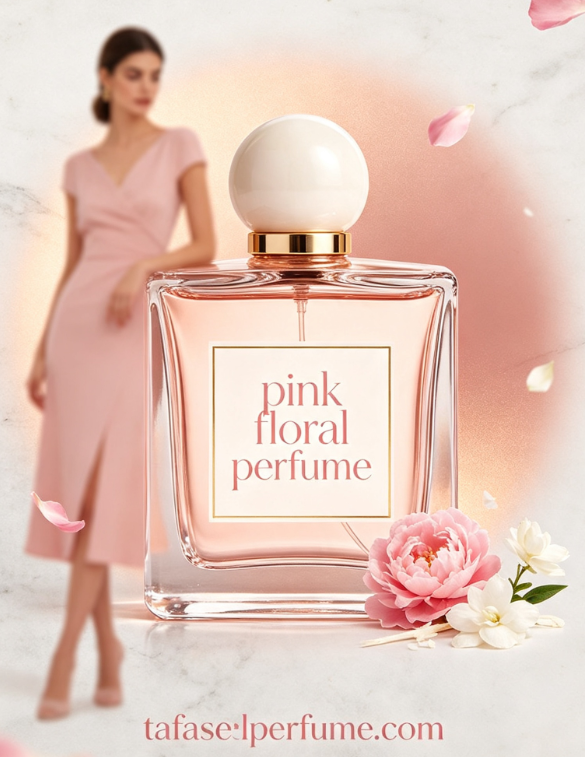
- Pink Floral Perfume · The Velvet Architecture of Petal & Powder: A whisper of rose, a sigh of peony – pink floral perfume is the silent poetry of femininity.
Pink floral perfume is not merely a scent; it is an olfactive architecture built from petals, powder, and light. It dances between the freshness of dewy blossoms and the warmth of ambered skin. From the first spritz, it unfolds like a garden in bloom — romantic, tender, yet with a structure that holds depth. This guide explores the most captivating pink floral compositions, their iconic pillars, and how to wear them with intention. Whether you are drawn to the luminous Women’s Perfume universe or the androgynous charm of Unisex Perfume, pink florals offer a bridge between softness and statement.
Petal chapters · jump to
1. The Rose Reverie 2. Peony & Pink Pepper 3. Powdery Iris & Almond 4. Cherry Blossom & Musk 5. Pink Floral Chypre 6. Cotton Candy & Violet 7. Gardenia & Pink Freesia 8. Osmanthus & Apricot 9. Pink Floral & Amber 10. Modern Pink Aldehydes 11. Layering Pink Florals 12. The Future of Pink1. The Rose Reverie · Timeless Pink
Rose is the sovereign of pink floral perfume. Not the dark, jammy rose of oriental fragrances, but the fresh, dewy rose that glistens with morning light. In pink floral compositions, rose is often paired with peony and freesia to create an airy, transparent effect. The result is a scent that feels like a silk scarf against the skin — elegant, feminine, and infinitely wearable. Perfumers use Rose Centifolia or Damask rose extracts to achieve that delicate balance between sweetness and greenness. When you wear a rose-forward pink floral, you are wrapped in a tradition that dates back to ancient Persia, yet it feels utterly modern.
For an everyday signature, look for pink roses with a hint of lychee or raspberry — the fruitiness elevates the floral without making it childish. Iconic examples include Perfume Ysatis Givenchy, which uses rose as a luminous heart, and the modern J'adore Parfum where rose meets jasmine in a golden embrace. The rose reverie is both a beginning and an end — a scent that stays with you like a cherished memory.
2. Peony & Pink Pepper · Spicy Freshness
Peony is the flirtatious heart of pink floral perfume. Its scent is watery, slightly fruity, and utterly intoxicating. When combined with pink pepper, the effect is electric — the peppercorn adds a shimmering sparkle that cuts through the floral sweetness. This duo creates a vibrant, youthful energy that feels like a burst of laughter. Peony is often used in modern floral-fruity fragrances, but in pink floral perfumery, it is the anchor that keeps the composition from becoming too powdery or too sweet.
Many contemporary niche houses play with this contrast. The pink pepper note is often sourced from the Schinus molle tree, offering a citrusy-woody nuance. Together with peony, it forms a radiant top-to-heart accord. If you love scents that are both fresh and intriguing, seek out peony-pink pepper blends. They work beautifully in spring and summer, and they transition effortlessly from day to night. For a deeper dive into spicy-floral elegance, explore Jean Paul Gaultier Fragrance Bottles, where the pink pepper note often appears in unexpected ways.
3. Powdery Iris & Almond · Soft Velvet
Iris and almond bring a powdery, almost cosmetic quality to pink floral perfumes. This is the scent of a vintage compact, of velvet powder puffs, of a blushing bride. The iris root (orris) provides a dry, earthy-floral note that grounds the pink florals, while almond adds a nutty, marzipan-like warmth. Together, they create a soft-focus effect — like looking at a garden through a haze of tulle. This combination is often found in classic floral-aldéhyde fragrances, but modern interpretations use it to add sophistication to otherwise sugary pink compositions.
Wearing a pink floral with iris and almond feels intimate and elegant. It's the scent of a cashmere wrap or a pearl necklace. The powderiness can be polarizing, but when balanced with fresh florals like rose or peony, it becomes addictive. For those who love this texture, Halston Men’s Fragrance offers a surprising take on powdery notes, while the pink floral sphere embraces it fully. It's a scent that whispers rather than shouts, but it lingers in the memory.
4. Cherry Blossom & Musk · Ethereal Glow
Cherry blossom (sakura) is the epitome of ephemeral beauty. Its scent is delicate, slightly almondy, and ethereal. In pink floral perfume, cherry blossom is often paired with white musk to extend its fleeting nature into a soft, lingering glow. The musk acts as a fixative, wrapping the blossom in a clean, skin-like warmth. This combination is minimal yet profound — it feels like a second skin, intimate and serene. Cherry blossom fragrances are popular in Asian markets, but they have gained global recognition for their understated elegance.
The musk used is typically the “clean” variety (like Galaxolide), which enhances the floral without adding animalic heaviness. This makes the scent incredibly wearable for all genders, aligning perfectly with the Unisex Perfume philosophy. Pink floral perfumes that feature cherry blossom and musk are ideal for those who prefer a quiet, contemplative scent. They are the olfactory equivalent of a soft pink dawn — gentle, hopeful, and beautiful.
5. Pink Floral Chypre · Earthy Elegance
The chypre structure — bergamot, oakmoss, labdanum — might seem at odds with pink florals, but when done right, it creates a masterpiece. Pink floral chypres use rose, peony, or geranium as the heart, while the base offers a woody-mossy depth. This juxtaposition gives the fragrance a sense of gravity and timelessness. It's not a simple girly scent; it's a statement of sophistication. The oakmoss (or its modern substitutes) provides an earthy counterpoint to the sweetness, making the pink florals appear more vivid.
Classic examples include vintage gems, but modern niche houses have revived this style. The chypre structure adds a serious, almost architectural quality to pink florals. If you appreciate complexity, seek out pink floral chypres — they are perfect for evening wear or for days when you want to feel empowered. For a deeper understanding of chypre influences, read about Givenchy Very Irresistible EDT, which balances floralcy with chypre elegance.
6. Cotton Candy & Violet · Whimsical Gourmand
Cotton candy (ethyl maltol) and violet create a playful, nostalgic twist on pink floral perfume. The cotton candy note adds a sugary, airy sweetness, while violet provides a powdery, slightly metallic floral nuance. This combination is the scent of a carnival, of fairy floss and flower crowns. It's unabashedly fun and youthful, yet when balanced with a woody or musky base, it becomes surprisingly wearable. The violet note prevents the sweetness from becoming cloying, adding a vintage, lipstick-like quality.
This style is particularly popular in celebrity and designer fragrances, but niche brands have also embraced it. The key is moderation — a touch of cotton candy can elevate a pink floral without turning it into a dessert. For those who love sweet florals, this is a delightful exploration. It's a scent that brings a smile, and it pairs beautifully with casual, cheerful outfits. It also makes a great gift for younger perfume enthusiasts.
7. Gardenia & Pink Freesia · Creamy Radiance
Gardenia is a creamy, intoxicating white floral, but when it meets pink freesia, it takes on a rosy, luminous quality. The freesia adds a sharp, green-fresh facet that brightens the gardenia's richness. Together, they form a creamy-radiant accord that is both luxurious and accessible. This combination is a staple in many pink floral perfumes, offering a full-bodied floral experience without the heaviness of tuberose. The gardenia provides a buttery, coconutty nuance, while freesia adds a zesty, almost fruity top note.
Wearing this duo feels like wrapping yourself in a silken robe. It's opulent yet fresh, making it suitable for both day and night. The pink floral perfume with gardenia and freesia often includes a sandalwood or vanilla base to anchor the creaminess. It's a scent that commands attention without being loud — it's the fragrance of a confident, graceful individual. For more on floral radiance, explore Beachwalk Replica, where similar creamy notes are used in a different context.
8. Osmanthus & Apricot · Fruity-Floral Silk
Osmanthus is a unique floral note with a leathery, apricot-like scent. It's often described as “the tea flower” because of its delicate, fruity-floral character. In pink floral perfume, osmanthus is paired with apricot to amplify its fruity facets, creating a silky, smooth accord. This combination is sophisticated and warm, evoking the feeling of a velvet sunset. The apricot adds a juicy, slightly tart nuance that prevents the osmanthus from becoming too heavy.
This duo is less common but highly prized by fragrance connoisseurs. It offers a unique take on pink florals, moving away from the typical rose-peony axis. The osmanthus-apricot blend is often found in luxury and niche perfumes, and it pairs beautifully with woody or amber bases. For those who want something different, this is an excellent choice. It's a scent that tells a story of faraway gardens and golden afternoons.
9. Pink Floral & Amber · Warm Embrace
Amber — a blend of labdanum, vanilla, and benzoin — adds a warm, resinous depth to pink floral perfumes. When pink florals meet amber, they transform from light and airy to rich and sensual. The amber acts as a blanket, holding the flowers in a cozy embrace. This combination is perfect for cooler weather or for evening wear. The sweetness of the amber enhances the floral notes, while the resinous quality adds a mystical, almost oriental feel.
This is a classic pairing in oriental-floral fragrances, but it works beautifully in the pink floral category. The amber does not overshadow the flowers; instead, it elevates them, making them appear more luminous. Many iconic perfumes use this structure, and it's a favourite among those who appreciate depth and longevity. For a modern take, look for pink floral-amber blends that use ambroxan or cistus for a cleaner amber effect. It's a scent that lingers on the skin like a gentle caress.
10. Modern Pink Aldehydes · Sparkle & Glow
Aldehydes are the unsung heroes of perfumery. They add a sparkling, soapy, and sometimes metallic quality that lifts the entire composition. In pink floral perfume, modern aldehydes (like C-12 MNA or Adoxal) create a luminous, radiant effect. They make the pink florals appear brighter, more ethereal. This is the scent of champagne bubbles, of a dress made of light. Aldehydes were popular in the 1920s and 1980s, but contemporary perfumers use them sparingly to add a modern twist.
A pink floral perfume with aldehydes feels fresh, clean, and sophisticated. It's ideal for the modern woman (or man) who appreciates classic elegance with a contemporary edge. The aldehydes also enhance the longevity of the fragrance, ensuring that the pink florals last throughout the day. For a masterclass in aldehyde-floral fusion, explore the legacy of Tom Ford Cologne New, where aldehydes are used with precision. Pink aldehydic florals are a celebration of light and joy.
11. Layering Pink Florals · The Art of Customization
Layering is an essential skill for any fragrance lover. Pink floral perfumes are particularly versatile for layering. You can pair a fresh rose scent with a powdery iris for a more complex effect, or add a spritz of amber to deepen the composition. The key is to experiment and find combinations that resonate with your mood. Layering also allows you to extend the longevity and projection of lighter pink florals.
Start with a base of a musk or amber perfume, then apply your pink floral on top. You can also mix different pink florals — for example, a peony-pink pepper scent with a cherry blossom-musk fragrance. The possibilities are endless. Layering is a creative process that makes your fragrance truly unique. Many perfume enthusiasts enjoy this aspect of the hobby, and it's a great way to use your collection in new ways. For inspiration, read about 0.27 oz Cologne and how small sizes allow for easy layering experimentation.
12. The Future of Pink · Sustainable & Bold
The future of pink floral perfume is sustainable, transparent, and bold. With increasing awareness of environmental impact, perfumers are turning to bio-identical ingredients and upcycled materials. Pink florals are at the forefront of this movement, with rose and peony extracts being sourced from ethical farms. Additionally, the definition of pink floral is expanding — it now includes more unisex and even masculine-leaning compositions that challenge traditional gender norms.
Innovative houses are using pink florals in unexpected ways, such as pairing them with smoky or leathery notes. The future is bright for pink floral perfume, as it continues to evolve and inspire. It is a category that embraces both tradition and innovation, making it eternally relevant. As we move forward, pink florals will remain a symbol of beauty, grace, and the enduring power of nature. For a glimpse into future trends, keep an eye on Oud Galore and how traditional notes are being reinvented.
Pink Floral Perfume · FAQ
1. What is the most iconic pink floral perfume?
The most iconic is arguably Chloé Eau de Parfum (rose, peony, lychee) or Miss Dior Blooming Bouquet. Both are celebrated for their fresh, romantic pink floral character.
2. Is pink floral perfume only for women?
Not at all. While traditionally marketed to women, many pink florals are unisex. Notes like rose, peony, and iris are enjoyed by all genders, especially in niche and modern perfumery.
3. How do I make pink floral perfume last longer?
Apply to pulse points (wrists, neck, behind ears) and moisturize skin beforehand. Layering with an unscented lotion or a complementary body oil can also extend longevity.
4. Which season is best for pink floral perfume?
Spring and summer are ideal due to the freshness, but warmer, ambered pink florals work beautifully in autumn and winter. It’s a versatile category.
5. Can I wear pink floral perfume to work?
Absolutely. Choose lighter, airier compositions (rose, peony, freesia) that are not overly sweet. They are professional, uplifting, and unobtrusive.
6. What notes pair best with pink floral?
Musk, amber, vanilla, sandalwood, and citrus notes (bergamot, mandarin) are classic complements. Pink pepper and aldehydes add a modern twist.
7. Are there sustainable pink floral perfumes?
Yes, many brands now use sustainably sourced rose, peony, and iris. Look for certifications like Natural or EcoCert, or brands that highlight ethical sourcing.
8. What is the difference between pink floral and white floral?
White florals (jasmine, tuberose, gardenia) are often heavier, indolic, and more opulent. Pink florals (rose, peony, freesia) are lighter, fresher, and more dewy.
9. Can I layer pink floral with other fragrance families?
Yes! Pink florals layer beautifully with woody, citrus, or oriental scents. Experiment with a woody base or a citrus top to create a unique signature.
10. What is the price range for pink floral perfumes?
From affordable drugstore finds (under $30) to exclusive niche bottles (over $300). The diversity ensures there’s a pink floral for every budget.
11. How do I store my pink floral perfume?
Keep it in a cool, dark place away from sunlight and temperature fluctuations. A drawer or a cabinet is ideal to preserve the delicate floral notes.
12. What is the most underrated pink floral note?
Freesia. It’s often used as a supporting player, but its fresh, slightly sharp green-floral scent is a hidden gem that adds brilliance to pink compositions.
pink floral perfume · a velvet architecture of petals & powder


