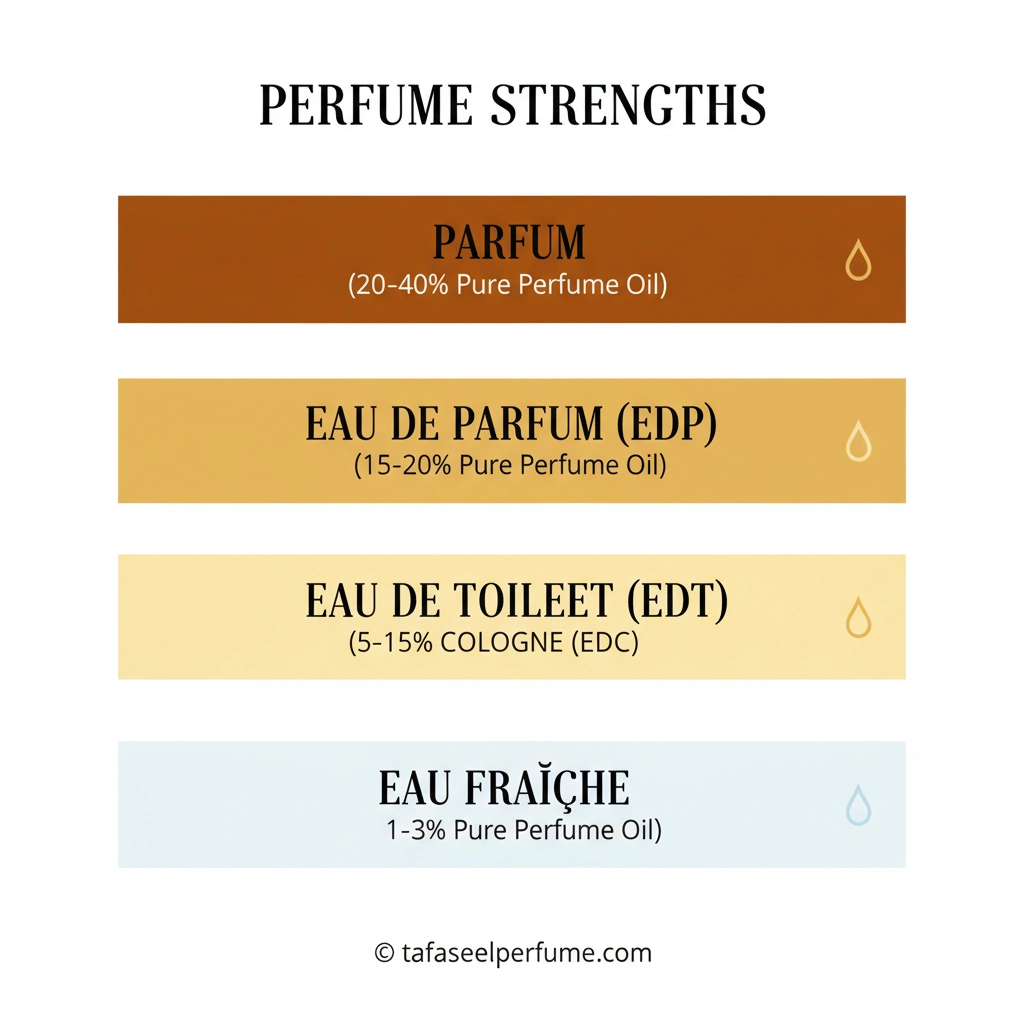
- Perfume Strengths Chart: How to Understand Fragrance Concentration and Longevity: Perfume strengths chart is one of the most practical tools for anyone who wants to understand why certain fragrances last longer, smell stronger, or feel more suitable for specific occasions.
A perfume strengths chart visually explains the different concentration levels used in perfumery, from the lightest scented waters to the most intense pure extracts. By understanding this chart, consumers can make more informed decisions, avoid disappointment, and choose scents that align with their lifestyle, climate, and personal taste.
In this guide, we explore the structure of a perfume strengths chart, how each concentration performs on skin, and why fragrance strength plays a decisive role in daily wear, gifting, and collection building. Whether you are exploring best niche cologne for men or comparing classics like Bijan Men’s Fragrance, understanding strength is essential.
1. What a Perfume Strengths Chart Represents
A clear overview of fragrance concentration levels and their purpose.
2. Eau Fraîche and Eau de Cologne Explained
The lightest perfume strengths and when to use them.
3. Eau de Toilette in the Perfume Strengths Chart
The most common daily-wear concentration worldwide.
4. Eau de Parfum and Its Balanced Intensity
Why this strength dominates modern perfumery.
5. Parfum and Extrait de Parfum Levels
The highest concentration and most luxurious category.
6. How to Choose the Right Strength for You
Matching fragrance strength to lifestyle and environment.
1. What a Perfume Strengths Chart Represents
A perfume strengths chart categorizes fragrances based on the percentage of aromatic compounds diluted in alcohol or oil. This concentration directly affects projection, longevity, and overall sensory impact.
Unlike marketing descriptions, the chart offers an objective framework that applies across brands and styles. Whether you are shopping for men’s perfume, women’s perfume, or unisex perfume, the strength classification remains consistent.
Understanding this chart allows wearers to predict performance more accurately and align expectations with reality, especially when ordering perfumes online.
2. Eau Fraîche and Eau de Cologne Explained
Eau Fraîche and Eau de Cologne sit at the lowest end of the perfume strengths chart, typically containing between 1% and 5% fragrance oils.
These light compositions are designed for refreshment rather than longevity. They are ideal for hot climates, post-shower application, or casual daytime use.
Because they evaporate quickly, these strengths are often favored in grooming products such as deodorants and body splashes, similar to items found in deodorant and antiperspirant collections.
3. Eau de Toilette in the Perfume Strengths Chart
Eau de Toilette usually contains 5% to 15% aromatic compounds, making it one of the most popular categories on the perfume strengths chart.
This concentration offers a balance between freshness and presence, typically lasting four to six hours depending on skin chemistry.
Eau de Toilette is commonly chosen for office environments and everyday wear, especially for fresh, aquatic, and citrus-driven profiles like those discussed in fresh aquatic fragrances.
4. Eau de Parfum and Its Balanced Intensity
Eau de Parfum occupies the center of the perfume strengths chart and is widely considered the modern standard for premium fragrances.
With concentrations ranging from 15% to 20%, it offers noticeable projection and extended longevity without overwhelming the senses.
This strength is particularly popular in signature scents and luxury releases, including many iconic compositions featured in curated perfume articles and rankings.
5. Parfum and Extrait de Parfum Levels
Parfum, also known as Extrait de Parfum, represents the highest concentration on the perfume strengths chart, often exceeding 20% fragrance oil.
These formulations deliver exceptional depth, richness, and longevity, sometimes lasting more than twelve hours on skin.
Because of their intensity and cost, they are typically applied sparingly and are favored for evening wear or special occasions, similar to high-end selections found in perfume gift sets.
6. How to Choose the Right Strength for You
Selecting the appropriate level from a perfume strengths chart depends on lifestyle, climate, skin type, and personal preference.
Those living in warm regions may prefer lighter concentrations, while colder climates often enhance richer, stronger formulations.
Understanding this chart also helps shoppers navigate expanding categories such as mini size and gift sets, allowing experimentation across strengths without committing to full bottles.
Frequently Asked Questions About Perfume Strengths Chart
What is a perfume strengths chart?
A perfume strengths chart is a reference guide that compares fragrance concentration levels, helping users understand intensity, longevity, and appropriate usage.
Does higher concentration always mean better quality?
No. Higher concentration means stronger scent and longer wear, but quality depends on ingredients, formulation, and personal taste.
Which strength lasts the longest on skin?
Parfum and Extrait de Parfum typically last the longest due to their high aromatic oil content.
Is Eau de Parfum suitable for daily wear?
Yes. Eau de Parfum offers a balanced profile that works well for daily use when applied moderately.
Can the same perfume smell different at different strengths?
Yes. Different strengths emphasize different notes, which can change the overall character of the fragrance.
Why should beginners use a perfume strengths chart?
It simplifies fragrance selection, reduces confusion, and helps beginners make confident, informed purchases.


