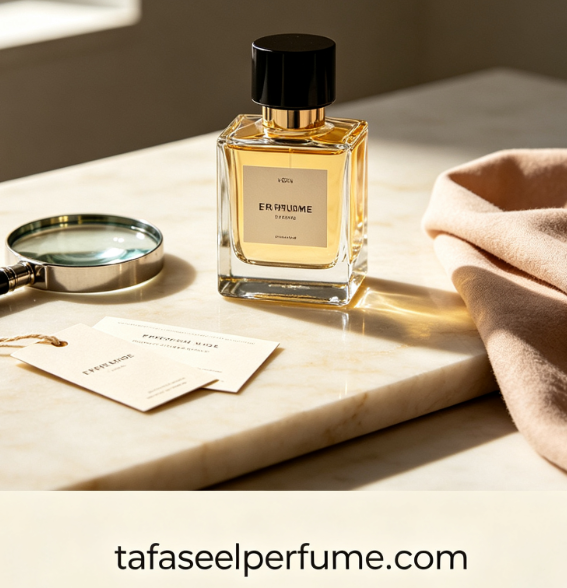
- Perfume Resell · The Velvet Blueprint of Fragrance Arbitrage & the Sillage of Smart Commerce: Perfume resell decoded: from limited drops to vintage flacons — unlock the art of profitable fragrance trading.
Perfume resell isn’t just about flipping bottles; it’s a refined ecosystem where rarity, story, and olfactory heritage converge. Whether you’re hunting for discontinued gems, navigating batch-code nuances, or leveraging hyped collaborations, the resale market rewards knowledge and instinct. This guide covers everything — from authentication and pricing psychology to the most coveted houses (Roja Dove, Givenchy, YSL, Clinique, Lagerfeld, Azzaro, and more). We’ve woven in curated links to deepen your journey through the architecture of prestige and the sillage of unspoken grandeur.
Scroll for deep-dive chapters, expert FAQs, and a handpicked network of perfume resources.
Chapters · Perfume Resell Intelligence
1. The Resell Renaissance – Why Vintage & Niche Perfume Thrives
2. Authentication Alchemy – Spotting Fakes in the Secondary Market
3. Limited Drops & Collaboration Hype – Givenchy, Roja Dove & YSL
4. Batch Codes, Formulation & The “Vintage Juice” Premium
5. Pricing Architecture – What Makes a Perfume Resell for 10x Retail?
6. The Unisex Wave – Gender-Fluid Fragrances & Resale Value
7. Perfume Resell Platforms – Where to Buy & Sell with Confidence
1. The Resell Renaissance – Why Vintage & Niche Perfume Thrives
The secondary market for perfume has evolved from dusty eBay lots to a dynamic global economy, driven by collectors, influencers, and fragrance archivists. Perfume resell is not a fleeting trend; it’s a cultural shift where olfactory heritage meets modern arbitrage. Discontinued masterpieces — like the original Vintage Lagerfeld Cologne — command prices that defy logic, because the aldehyde-rich formulas are no longer in production. Similarly, limited-edition collaborations, such as MMW × Givenchy, become instant trophies. The resurgence is fueled by social media “scent-tok” and a hunger for uniqueness; owning a bottle that few can find is the new luxury. Resellers who understand the nuances of batch variations, packaging iterations, and regional exclusives can build a profitable niche. But it’s not just about profit — it’s about preserving the sillage of unspoken grandeur.
2. Authentication Alchemy – Spotting Fakes in the Secondary Market
Counterfeit perfumes are more sophisticated than ever, making authentication the cornerstone of any perfume resell venture. Genuine bottles have crisp engravings, consistent batch codes, and atomizer mechanisms that spray evenly. Fakes often skimp on the juice — the longevity and projection are noticeably weaker. Start by examining the cellophane wrap: authentic brands use tight, seamless shrink-wrap with clean seals. Check the bottom of the bottle for batch codes that match the box; cross-reference with online databases. For high-end houses like Roja Dove or YSL, the weight of the glass and the precision of the cap are telling. Roja Dove’s Diaghilev is a frequent target for counterfeiting due to its prestige, so always buy from reputable sources. When reselling, offer high-resolution photos of batch codes and packaging to build trust — transparency increases your resale value and repeat clientele.
3. Limited Drops & Collaboration Hype – Givenchy, Roja Dove & YSL
Limited releases are the rocket fuel of perfume resell. When a house like Givenchy partners with a streetwear icon like MMW, the resulting fragrance becomes a cultural artifact. MMW × Givenchy not only redefines masculine notes but also creates a scarcity that drives aftermarket prices to 3x retail. Similarly, Roja Dove’s Parfum collection — especially Diaghilev — is a perennial favorite among resellers, as the brand controls distribution tightly. YSL’s feminine icons, like the ones detailed in YSL Perfumes for Her, often see regional exclusives that become sought-after globally. The key is to pre-order or secure allocations before they sell out, then leverage the hype curve. But beware: over-saturation can lead to price drops, so timing your exit — selling during peak buzz — is as crucial as acquiring the bottle.
4. Batch Codes, Formulation & The “Vintage Juice” Premium
In the world of perfume resell, batch codes are not just numbers — they are secret maps to olfactory gold. Older batches often contain higher concentrations of natural ingredients (like oakmoss or real citrus oils) that are now restricted by IFRA regulations. This “vintage juice” is prized for its richness, longevity, and sillage. For instance, early batches of Azzaro Pour Homme are legendary for their powerhouse dry-down, while modern versions are softer. Resellers who can decode batch numbers and verify production years command a premium. Tools like CheckFresh or Raider’s Perfume Batch Code are indispensable. When listing a vintage bottle, emphasize the formulation era, and include a photo of the batch code. The transparency not only justifies your price but also attracts discerning buyers who are willing to pay for the real thing.
5. Pricing Architecture – What Makes a Perfume Resell for 10x Retail?
Why does a 100ml bottle of a discontinued Clinique fragrance sometimes sell for 10 times its original price? The answer lies in a combination of scarcity, cult following, and emotional resonance. Clinique Blue Perfume evokes a sense of timeless freshness that many associate with a specific era, making it a nostalgia purchase. Similarly, Kenneth Cole Black Aftershave has a loyal fanbase who seek the original formulation. The pricing architecture of perfume resell also hinges on the “unicorn factor” — bottles that were never widely distributed or were exclusive to certain duty-free zones. As a reseller, you must track auction results, monitor Facebook groups, and study completed listings on eBay. Set your price based on recent sales, not retail. And always factor in the condition of the bottle, the presence of the box, and the level of juice (full vs. partially used).
6. The Unisex Wave – Gender-Fluid Fragrances & Resale Value
Unisex perfumes have exploded in popularity, and they represent a booming segment for perfume resell. Brands like Le Labo, Byredo, and even mainstream houses like BOD are embracing gender-fluid scents. BOD Blue Surf might appear as a casual fragrance, but its oceanic breezy profile appeals to a wide audience, making it a versatile resell item. The unisex trend widens the buyer pool, which can drive up demand. Moreover, limited-edition unisex releases often sell out quickly because they cater to both men and women. Savvy resellers monitor Unisex Perfume collections to spot emerging hits. The key is to highlight the versatility in your listings — a fragrance that works for anyone, anywhere, at any time. This broad appeal can be a powerful selling point, especially when combined with a compelling story.
7. Perfume Resell Platforms – Where to Buy & Sell with Confidence
Not all marketplaces are created equal for perfume resell. Dedicated fragrance forums (Basenotes, Fragrantica) have vibrant buy/sell sections with knowledgeable members. eBay and Mercari offer massive reach, but you’ll need to battle lowball offers and scams. For high-end bottles, consider consignment via trusted vintage dealers or auction houses. Social media — especially Instagram and Facebook groups — has become a primary channel for private sales. Always use PayPal Goods & Services for buyer/seller protection. Also, leverage niche platforms like The Perfume Court or Surrender to Chance for decants and splits. And don’t overlook your own website: if you build a brand around curated perfume resell, you can cultivate a loyal following. Perfume articles and reviews can drive traffic and establish authority, turning casual browsers into repeat buyers.
Perfume Resell – FAQs from the Trenches
Absolutely — especially if you focus on niche, discontinued, or limited-edition fragrances. The key is building a network of suppliers (duty-free contacts, outlet buyers, collectors) and understanding the nuanced demand. Margins can range from 20% to 300% on rare finds. Stay educated on market trends and always authenticate.
Develop a rigorous authentication routine: inspect the box’s quality, the bottle’s weight, the atomizer’s spray pattern, and the batch code. Compare with official images. Use a UV light to check for hidden markings on some brands. Also, buy from established sellers with verifiable feedback. When in doubt, use a third-party authentication service.
Vintage chypres and fougères (especially from the 70s–90s) are perennial winners. Also, modern “cult” releases from houses like Roja Dove, Xerjoff, and Amouage. Unisex fragrances and niche floral-woody blends have high demand. Ocean di Gioia and similar luminous marine florals also attract a wide audience.
Massively. A full presentation — box, outer sleeve, ribbon, and even the original receipt — can increase value by 20–50%. Collectors are obsessive about completeness. If you’re selling a tester or a bottle without a cap, disclose it clearly and price accordingly.
Research the current market for similar condition (unboxed, 80% full) and reduce your price by about 25% compared to a full-set. Emphasize the juice quality and provide batch-code proof. Sometimes, a rare bottle without a box still fetches a premium if the scent is legendary — for example, Avon vintage collectibles.
Both have their place. Full bottles appeal to collectors and serious wearers. Decants (5ml–30ml) attract a broader audience who want to try before committing. Many resellers use decants to generate cash flow while holding onto full bottles for long-term appreciation. Just ensure your decant materials are clean and clearly labelled.
Perfume resell is an olfactory odyssey — trade with knowledge, respect the juice, and let the sillage speak.


