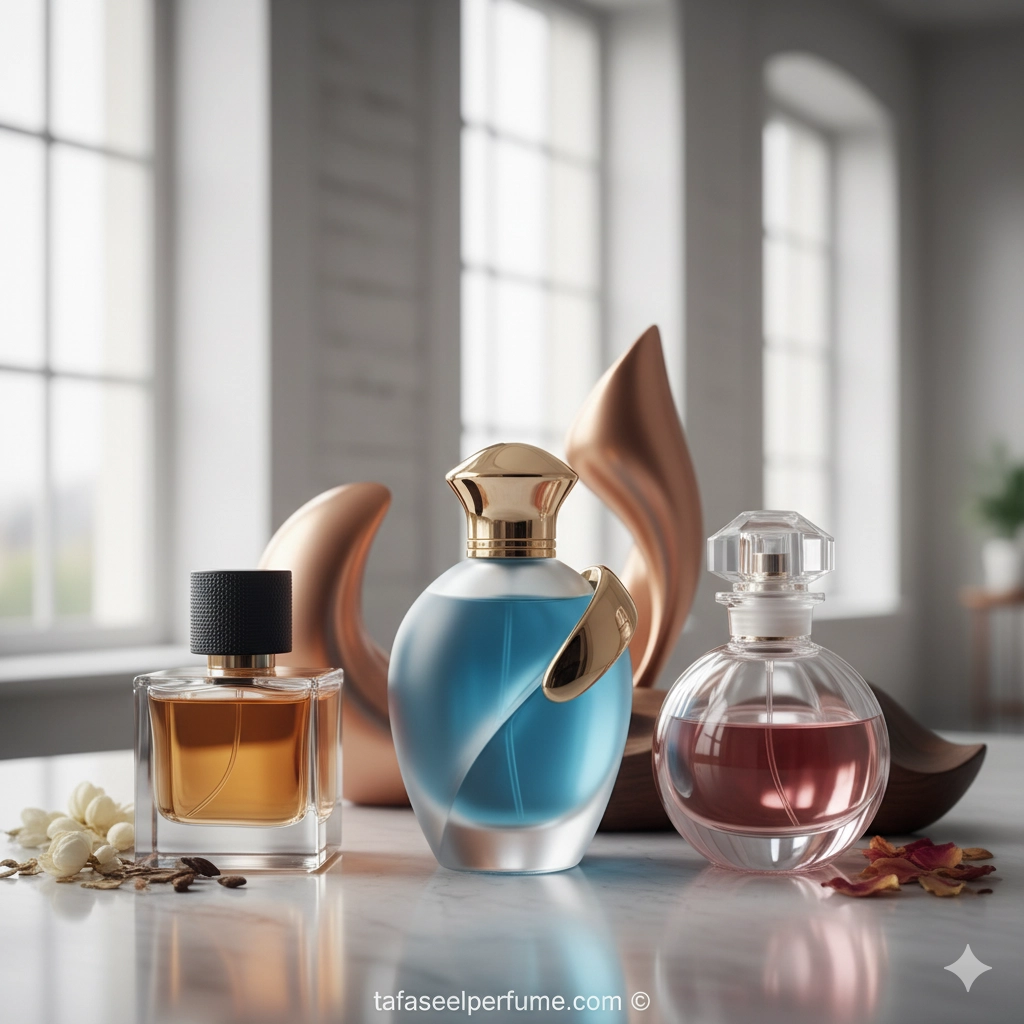
- Perfume Design: How Creativity, Craft, and Identity Shape Modern Fragrances: Perfume design is the art and science of transforming abstract emotions, memories, and concepts into a tangible scent experience. It blends creativity with technical precision to produce fragrances that resonate with consumers across cultures and lifestyles.
At its core, perfume design goes far beyond simply mixing aromatic ingredients. It involves olfactory storytelling, market positioning, ingredient sourcing, and even visual aesthetics such as bottle and packaging design. From Unisex Perfume concepts to highly targeted niche releases, perfume design reflects both artistic expression and strategic intent within the fragrance industry.
1. The Creative Philosophy Behind Perfume Design
2. Ingredient Selection and Olfactory Balance
3. Cultural Influence on Modern Perfume Design
4. Bottle and Packaging as Part of Perfume Design
5. Target Audiences and Market Segmentation
6. Sustainability Trends in Perfume Design
1. The Creative Philosophy Behind Perfume Design
Every successful perfume design begins with a clear creative philosophy. Perfumers often start with an abstract idea such as freedom, elegance, or nostalgia and translate it into an olfactory structure. This philosophy guides ingredient choices, concentration levels, and even the final presentation. In luxury segments like Brands, storytelling is especially critical, as consumers increasingly seek emotional connections rather than just pleasant scents.
2. Ingredient Selection and Olfactory Balance
Ingredient selection is a cornerstone of effective perfume design. Natural oils, synthetic aroma molecules, and accords must be balanced to ensure harmony across top, heart, and base notes. A well-designed perfume evolves smoothly over time on the skin, offering depth and longevity. Categories such as Men s Perfume and Women s Perfume often emphasize different balances, reflecting consumer preferences and usage contexts.
3. Cultural Influence on Modern Perfume Design
Perfume design is deeply influenced by cultural context. Regional tastes determine whether fragrances lean toward fresh, spicy, woody, or gourmand profiles. Middle Eastern perfume design, for example, often highlights oud, amber, and incense, while Western markets may prioritize lighter compositions. Insights from Perfume reviews and trend analysis help designers adapt scents for global appeal.
4. Bottle and Packaging as Part of Perfume Design
Visual presentation is inseparable from perfume design. The bottle, label, and packaging communicate the fragrance’s identity before the scent is ever experienced. Minimalist glass designs may signal modern elegance, while ornate bottles suggest heritage and luxury. Gift-focused segments such as Perfume Gift Sets rely heavily on packaging design to enhance perceived value.
5. Target Audiences and Market Segmentation
Understanding the target audience is essential in perfume design. Designers consider age, lifestyle, occasion, and even climate when shaping a fragrance. Youth-oriented designs may emphasize freshness and energy, while mature audiences often prefer depth and complexity. Market insights from areas like Ranking data help brands position their perfumes competitively.
6. Sustainability Trends in Perfume Design
Sustainability has become a defining factor in contemporary perfume design. Ethical sourcing, biodegradable ingredients, and refillable packaging are increasingly prioritized. Brands aligned with broader Beauty values aim to reduce environmental impact while maintaining olfactory quality. This shift is reshaping how designers approach innovation and long-term brand trust.


