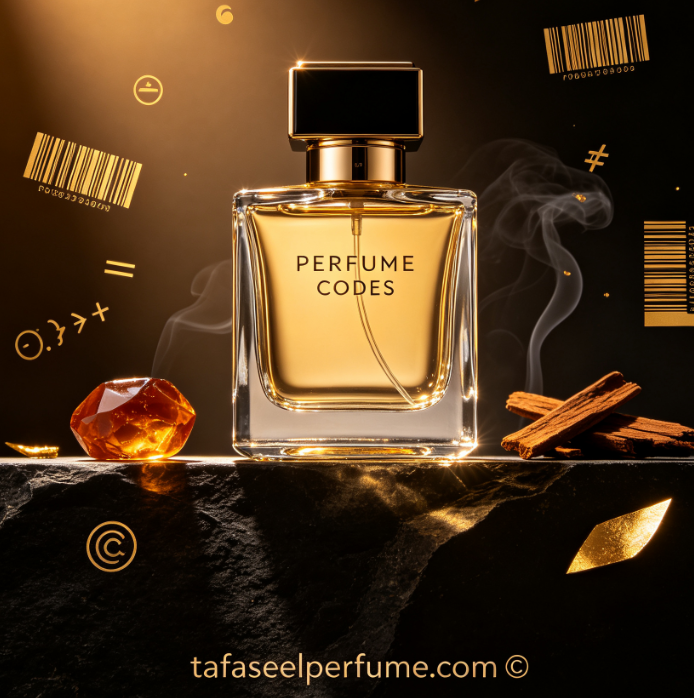
- Perfume Codes · Decoding the Olfactory Alphabet: ✧ short introduction — Perfume codes are the hidden signatures woven into every scent: the pyramid of top, heart, and base notes; the interplay of raw materials; the cultural symbols that make a fragrance unforgettable. This guide unlocks those codes, from classic accords to modern olfactory art.
· chapter index
1. The pyramid decoded 2. Olfactory families & their DNA 3. Concentration codes · Eau de parfum vs Extrait 4. The geography of scent · regional signatures 5. Perfume & memory · the neurological code 6. Gender & unisex · breaking the binary 7. Sustainable codes · green chemistry & ethical sourcing1. The pyramid decoded · top, heart, base
The perfume pyramid is the fundamental code that organizes volatile ingredients by evaporation speed. Top notes (citrus, light fruits) last minutes; heart notes (floral, spices) bloom for hours; base notes (woods, amber, musk) anchor the fragrance for up to 24 hours. Understanding this architecture is the first step to reading any perfume. Unisex Perfume collections often play with this pyramid, blurring traditional boundaries.
Perfumers use a coded language: hedione for radiance, iso e super for woody warmth, ambroxan for modern clean musk. These molecules are the letters of the olfactory alphabet. When you spray a fragrance, you are experiencing a carefully timed release — a code that unfolds on your skin.
2. Olfactory families & their DNA
Floral, oriental, woody, fresh, chypre, fougère — each family has its own genetic code. Men's Perfume often leans into fougère (lavender, coumarin, oakmoss) and woody-spicy accords, while Women's Perfume explores floral-oriental and gourmand codes. Yet the most exciting creations today are hybrid — they break the family tree and invent new branches.
Chypre, for example, is a code built around bergamot, oakmoss, and labdanum. It was almost lost due to regulations, but modern reinterpretations use synth-moss to preserve the structure. The DNA of a fragrance is not static; it evolves with raw material availability and cultural trends.
3. Concentration codes · Eau de parfum vs Extrait
The concentration of perfume oils in alcohol is a critical code: Eau de Cologne (2–5%), Eau de Toilette (5–15%), Eau de Parfum (15–20%), and Extrait/Parfum (20–40%). Higher concentration means more longevity and often a denser, more complex scent profile. But it's not simply about strength — the dilution affects how the pyramid behaves. Mini Size & Gift Sets are an excellent way to test different concentrations without full commitment.
Many niche brands play with concentration codes, offering extraits that are almost syrupy, while mainstream releases stick to EDP as the 'sweet spot'. Knowing the concentration helps you predict performance and projection — a code that saves you from disappointment.
4. The geography of scent · regional signatures
Perfume codes are deeply rooted in geography. French perfumery (Grasse) emphasizes elegance and harmony; Middle Eastern perfumery (Oud, rose, amber) is opulent and long-lasting; American niche brands often favor minimalist, transparent structures. Spa & Fragrance lines from the East often incorporate meditation-like notes: incense, sandalwood, and yuzu.
These regional codes are not just about ingredients — they reflect cultural rituals. In the Gulf, layering fragrances (bukhoor, attar, then spray) is a daily code. In Europe, wearing a single scent is more common. Understanding these geographic codes enriches your olfactory vocabulary.
5. Perfume & memory · the neurological code
The olfactory bulb is directly connected to the amygdala and hippocampus — the brain's memory and emotion centers. This is why a single whiff can transport you to a specific moment. Perfume codes leverage this: vanilla evokes comfort, citrus energy, iris nostalgia. Tafaseel Perfume Collection often highlights this emotional coding in their compositions.
Marketers use 'memory codes' to position fragrances: 'the scent of a first date', 'the smell of Mediterranean summer'. As a consumer, you can decode your own preferences by noting which scents trigger positive emotions — that is your personal perfume code.
6. Gender & unisex · breaking the binary
For decades, perfume codes were strictly gendered: floral = feminine, woody = masculine. Today, Unisex Perfume is rewriting the rules. Notes like bergamot, vetiver, and rose are now celebrated across genders. The code is shifting from 'for him/her' to 'for the wearer'. Ranking lists now feature unisex fragrances alongside traditional ones, reflecting a more inclusive olfactory world.
This evolution is not just social — it's chemical. Many modern molecules (like hedione or iso e super) are inherently neutral, allowing perfumers to design without gender bias. The result: more creative, boundary-pushing scents that appeal to a wider audience.
7. Sustainable codes · green chemistry & ethical sourcing
The newest perfume code is sustainability. From biodegradable packaging to renewable ingredients, the industry is undergoing a green revolution. Beauty and fragrance brands are adopting transparent sourcing, synthetic biology (lab-grown sandalwood, rose), and upcycled materials. Brands that embrace these codes are gaining trust among conscious consumers.
Additionally, 'slow perfume' movements encourage fewer, more meaningful purchases rather than overconsumption. The code is: quality over quantity, and traceability over mystery. This chapter explores how you can decode a brand's sustainability claims and make informed choices that align with your values.
Perfume codes are everywhere — in the notes, the bottle, the memory, and the culture. Once you learn to read them, every fragrance becomes a story. We hope this guide gives you the tools to decode your next signature scent, and perhaps even create your own olfactory alphabet.


