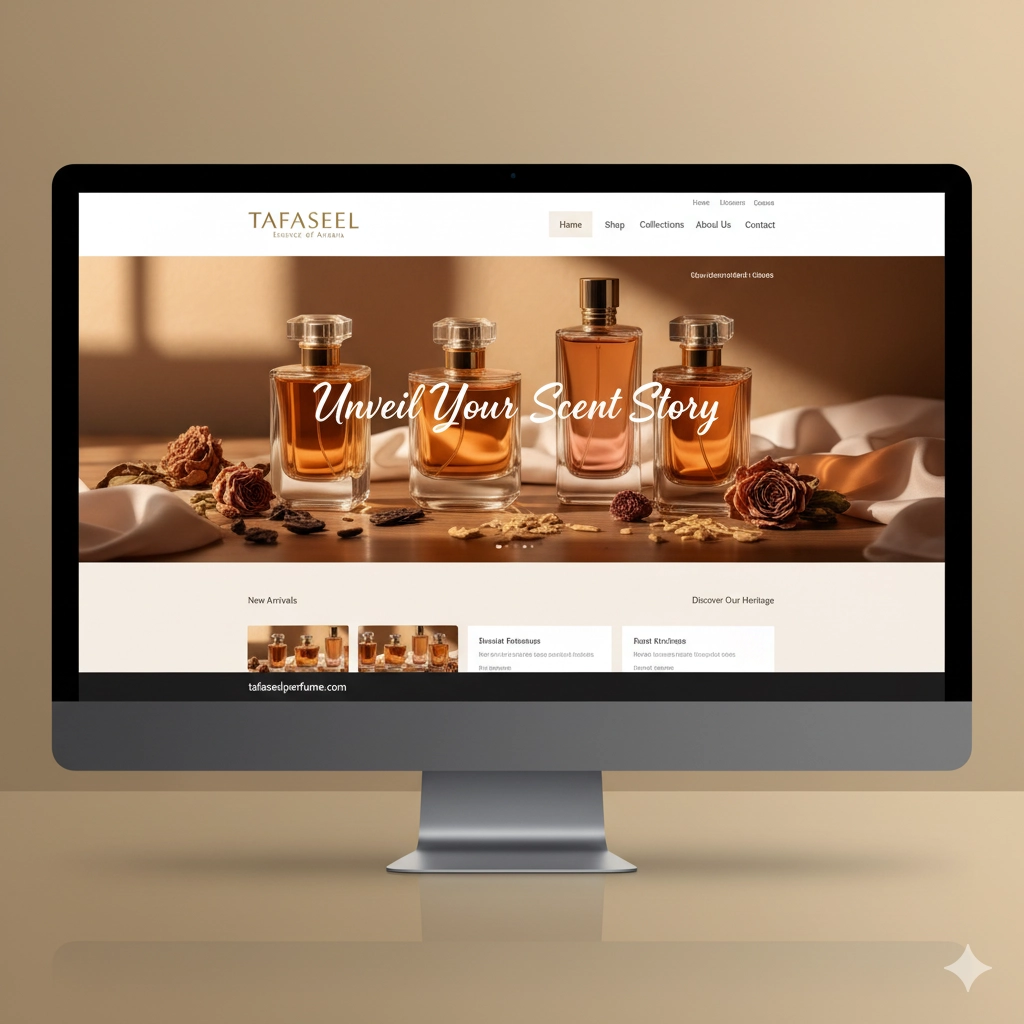
- Perfume Brands Website: How to Discover, Compare, and Trust Modern Fragrance Brands Online: Perfume brands website platforms have become the primary destination for discovering authentic fragrances, understanding brand stories, and confidently purchasing scents online.
In today’s digital fragrance market, a perfume brands website is more than a catalog. It is a brand’s identity hub, combining storytelling, ingredient transparency, user education, and curated shopping experiences. From luxury maisons to emerging niche labels, official websites help consumers evaluate quality, authenticity, and suitability before committing to a purchase.
Contents Overview
Brand Storytelling and Identity – How perfume brands use websites to express heritage and values.
Product Categorization and Navigation – Why structure matters on a perfume brands website.
Trust Signals and Authenticity – Elements that build confidence in online fragrance buying.
Educational Content and Fragrance Guidance – Helping users choose the right scent.
E-commerce Experience and Conversion – Turning visitors into loyal customers.
Expanding Beyond Perfume – Related beauty categories on modern brand sites.
Community, Reviews, and Brand Authority – Long-term value creation through engagement.
Brand Storytelling and Identity
A high-quality perfume brands website clearly communicates the brand’s origin, philosophy, and creative direction. Through refined typography, imagery, and editorial-style copy, brands convey whether they focus on artisanal craftsmanship, mass appeal, or avant-garde experimentation. This narrative builds emotional resonance, which is especially important in fragrance, where scent cannot be experienced digitally.
Product Categorization and Navigation
Clear categorization is essential on any perfume brands website. Users expect intuitive pathways to browse collections such as gender-based fragrances, seasonal releases, or special editions. Well-structured menus reduce friction and increase session duration.
These categories allow visitors to quickly align personal preferences with suitable scent profiles.
Trust Signals and Authenticity
Because counterfeit fragrances are common online, a perfume brands website must emphasize authenticity. Signals such as detailed ingredient descriptions, batch information, secure checkout indicators, and transparent return policies all reinforce trust. Brand-owned domains inherently provide more credibility than third-party marketplaces.
Educational Content and Fragrance Guidance
Leading perfume brands invest heavily in educational resources. A strong perfume brands website explains fragrance families, concentration levels, and proper usage. This reduces buyer hesitation and improves satisfaction.
Educational sections position the brand as an authority rather than just a seller.
E-commerce Experience and Conversion
User experience design directly impacts sales on a perfume brands website. Fast loading pages, mobile optimization, high-quality product images, and clear calls to action are essential. Bundles and gifting options further increase average order value.
These features appeal to both first-time buyers and repeat customers.
Expanding Beyond Perfume
Modern perfume brands website ecosystems often extend into adjacent beauty categories, creating a holistic lifestyle experience. This cross-category approach increases brand stickiness and lifetime customer value.
Community, Reviews, and Brand Authority
Finally, a successful perfume brands website fosters long-term engagement through rankings, user reviews, and curated recommendations. Social proof and expert opinions help guide purchasing decisions and reinforce brand authority.
In conclusion, a well-designed perfume brands website is a strategic asset. It combines storytelling, education, trust, and commerce into a single platform that supports both brand growth and customer confidence.


