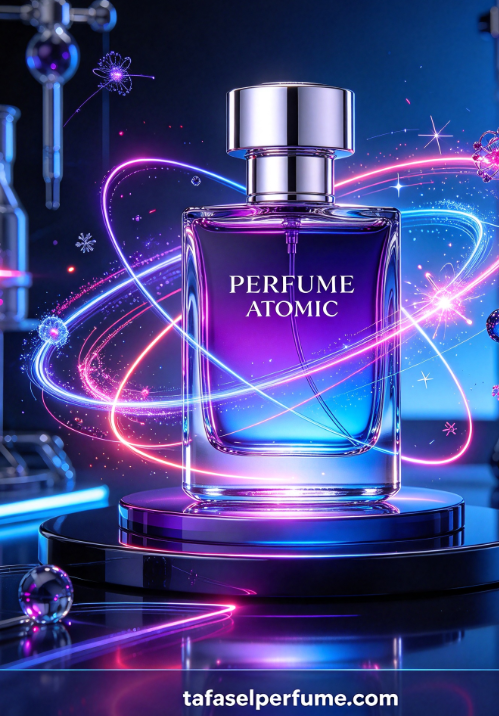
- Perfume Atomic: The Explosive Guide to Molecular Fragrance Power: Perfume Atomic is not just a phrase—it is a revolution in how we understand scent. This guide dives deep into the smallest, most powerful units of fragrance: the atoms and molecules that create the magic we wear every day.
Perfume Atomic explores the invisible architecture of scent. Every spray releases a tiny universe of volatile compounds that bind to your skin, your memories, and your identity. From the sharp burst of citrus top notes to the deep, lingering base of musk and amber, this article breaks down the atomic truth behind your favorite perfumes. Whether you are a collector, a curious beginner, or a beauty professional browsing our Beauty section, understanding the atomic layer of fragrance will change the way you choose and wear perfume forever.
Atomic Basics: What Makes a Perfume Explode
Molecular Magic in Modern Perfumery
Skin Chemistry and the Atomic Reaction
Top, Heart, and Base: The Atomic Timeline
Synthetic Atoms: The Unsung Heroes
Atomic Sillage: How Far Your Scent Travels
Atomic Basics: What Makes a Perfume Explode
At its core, every perfume is a carefully engineered mixture of aroma compounds. These compounds are made of molecules, and molecules are made of atoms. When you spray a perfume, you are releasing billions of these tiny atomic clusters into the air. The lighter the molecule, the faster it travels—this is why citrus and fresh notes hit you first. Heavier molecules, like those found in oud, sandalwood, or synthetic musk, linger for hours. In our Perfume articles, we often call this the "atomic weight" of scent. Understanding this weight helps you predict whether a fragrance will be a fleeting whisper or a room-filling declaration. Many modern unisex perfumes, such as those in our Unisex Perfume collection, are built on this atomic balance to appeal to every skin type.
Molecular Magic in Modern Perfumery
Perfume atomic science has given rise to incredible innovations. Molecules like Iso E Super, Ambroxan, and Hedione are not natural extracts—they are lab-created atomic structures that mimic and enhance natural scents. Iso E Super, for example, has a velvety, woody atom that seems to amplify your own skin's aura. Ambroxan delivers a warm, ambergris-like atom that feels both oceanic and sensual. Hedione, a molecule found in jasmine, adds a radiant, airy atom that lifts other notes. When you browse our Brands section, you will notice that luxury houses often guard their molecular formulas like state secrets. This atomic magic is why two perfumes with identical note lists can smell completely different—the atomic arrangement is everything.
Skin Chemistry and the Atomic Reaction
Your skin is not a passive canvas. It has its own atomic ecosystem: oils, acids, moisture, and temperature. When perfume atoms land on your skin, they react. Some molecules bind tightly, releasing scent slowly. Others evaporate quickly, creating a sudden burst. This is why the same perfume can smell like heaven on your friend and like alcohol on you. Our Skin Care & Tools(facial) category reminds us that healthy skin barrier function actually helps perfume atoms bloom more evenly. For those with sensitive skin, our Children Baby s Perfume line uses gentler atomic blends that avoid harsh fixatives.
Top, Heart, and Base: The Atomic Timeline
Perfume atomic structure follows a timeline. Top notes are the smallest atoms—think limonene from lemon or linalool from lavender. They evaporate within minutes. Heart notes are medium-sized atoms, like rose oxide or geraniol, and they appear as the top notes fade. Base notes are the heavy atoms—patchoulol, muscone, vanillin—and they can last for days on fabric. This atomic timeline is why you must never judge a perfume by its first spray. At Perfume Gift Sets, we often include miniature vials so you can experience the full atomic journey before committing to a full bottle.
Synthetic Atoms: The Unsung Heroes
Many perfume lovers turn their noses up at "synthetic," but perfume atomic science would be lost without them. Synthetic atoms provide consistency, safety, and creativity. They can replicate the scent of rare flowers without harming endangered plants. They can create entirely new olfactory experiences—like the metallic atom in a futuristic fragrance or the cotton-candy atom in a playful gourmand. Our Makeup Tools and Beauty Equipment sections might seem unrelated, but they share the same precision engineering that goes into synthetic perfume atoms. Even our Deodorant & Antiperspirant products use atomic science to neutralize odor molecules without masking them.
Atomic Sillage: How Far Your Scent Travels
Sillage is the trail of scent you leave behind. In atomic terms, it is the distance your heaviest molecules can travel through the air before settling. A perfume with high sillage has atoms that are just heavy enough to float but not so heavy that they drop immediately. Our Ranking section frequently lists perfumes by sillage, and you will notice that many of the top performers use a clever atomic trick: a small percentage of a very heavy molecule, like a synthetic oud atom, blended with lighter carriers. For a more intimate atomic experience, explore our Mini Size & Gift Sets or our Spa & Fragrance collection. And if you want to go deeper into the atomic world, our Tafaseel line offers some of the most complex molecular blends available. Finally, do not forget that atomic beauty extends beyond perfume—our Body Art, Nail Supplies, Eyelash Beauty & Tools, Hair Extensions & Wigs, Aesthetic medicine, Fragrance Gels, Men s Perfume, and Women s Perfume categories all rely on the same atomic principles to deliver beauty and confidence.


