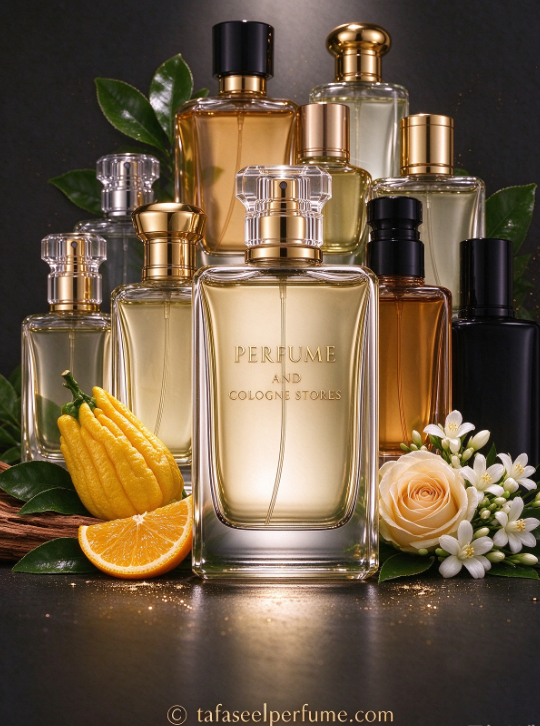
- Perfume and Cologne Stores: The Ultimate Guide to Finding, Testing, and Buying Your Signature Scent: Short Introduction: Looking for the best perfume and cologne stores? Whether you want to test niche fragrances in person or shop online for designer scents, this guide covers everything you need to know about choosing the right store for your next fragrance purchase.
Long Introduction: Perfume and cologne stores are more than just retail spaces — they are gateways to self-expression, memory, and confidence. The right store can help you discover a signature scent that feels uniquely yours, while the wrong one can leave you overwhelmed by endless shelves and pushy sales tactics. From luxury boutiques and department store counters to online fragrance retailers and niche perfumeries, the world of perfume and cologne stores is incredibly diverse. In this comprehensive guide, we explore what makes a great fragrance store, how to test scents properly, what to look for in store staff, and how online options compare to brick-and-mortar shopping. We also break down key categories — from unisex perfume and women's perfume to men's perfume and perfume gift sets — so you know exactly where to start. Whether you are a first-time buyer or a seasoned collector, this article will help you navigate perfume and cologne stores with confidence and get the most out of every visit.
1. What to Look for in a Perfume and Cologne Store
Not all perfume and cologne stores are created equal. A great fragrance store should offer a well-curated selection, knowledgeable staff, and a comfortable testing environment. Look for stores that carry a mix of designer and niche brands, provide sample vials or blotter cards, and allow you to test scents on skin rather than just paper. Lighting, ventilation, and crowd levels also matter — a good store lets you smell without distraction. Stores that organize fragrances by family (floral, woody, oriental, fresh) make it easier to narrow down your preferences. Finally, check whether the store offers returns or exchanges on opened bottles; this is a sign they stand behind their products and value customer satisfaction. For a deeper dive into specific scents, you might explore guides like Juliette Has a Gun: The Complete Guide to the Iconic French Niche Perfume House or Opium Perfume: The Ultimate Guide to Yves Saint Laurent's Iconic Oriental Fragrance.
2. How to Test Perfume in a Store Without Overwhelming Your Nose
Testing perfume in a store is an art. Most people make the mistake of spraying too many fragrances at once, which quickly leads to olfactory fatigue. The best approach is to limit yourself to three or four scents per visit. Start with lighter, fresher fragrances and move toward heavier, richer ones. Spray on skin — preferably your wrist or inner forearm — rather than just on paper, because body chemistry changes how a scent develops. Wait at least 15 to 30 minutes to experience the heart and base notes. Use coffee beans sparingly; contrary to popular belief, they do not "reset" your nose but can provide a brief distraction. Bring a friend for a second opinion, and always ask for a sample vial so you can test the fragrance in real-life conditions over a full day. Stores that encourage this kind of careful testing are the ones worth returning to.
3. Online vs. Physical Perfume and Cologne Stores: Which Is Better?
Online perfume and cologne stores offer convenience, competitive pricing, and access to rare or discontinued fragrances that may not be available locally. They also allow you to read reviews, compare notes, and shop at your own pace. However, physical stores offer the irreplaceable advantage of testing scents on your skin and getting immediate guidance from trained staff. The ideal approach is hybrid: test in-store, then buy online if the price is better, or use online stores to research before visiting a boutique. When shopping online, always check for authenticity guarantees, return policies, and whether the store sells decants or samples. Reputable online retailers often carry detailed product descriptions and customer reviews that help you make informed decisions. For those interested in niche and luxury options, guides like Gumin: The Radiant Italian Extrait de Parfum That Captures Sunshine and Memory can help you discover brands worth seeking out online.
4. Understanding Fragrance Categories When Shopping in Perfume and Cologne Stores
Perfume and cologne stores typically organize their inventory by fragrance family, which helps shoppers navigate the overwhelming number of options. The main families include floral (rose, jasmine, lily), oriental or amber (spices, resins, vanilla), woody (cedar, sandalwood, vetiver), fresh (citrus, aquatic, green), and fougère (lavender, oakmoss, coumarin). Within each family, there are subcategories and endless variations. Knowing your preferred family can dramatically speed up the shopping process. For example, if you love clean, soft scents, you might gravitate toward Loewe Woman Perfume: The Complete Guide to 001 Woman's Clean, Cashmere Softness. If you prefer bold, spicy orientals, Perfume Byzance: A Complete Guide to Rochas and Ormonde Jayne's Enigmatic Fragrances might be more your style. Store staff who understand these categories can guide you toward scents you will actually enjoy wearing.
5. The Role of Store Staff in Perfume and Cologne Stores
Knowledgeable staff can transform a mediocre shopping experience into an exceptional one. In the best perfume and cologne stores, sales associates are trained to ask the right questions: What scents do you currently wear? Do you prefer fresh or warm? Are you shopping for daytime or evening? They should listen more than they talk and offer suggestions based on your answers rather than pushing the most expensive bottle. Great staff will also explain the difference between eau de toilette, eau de parfum, and extrait de parfum, and help you understand longevity and sillage. If you encounter pushy or uninformed staff, do not be afraid to walk away. The right store will make you feel comfortable and excited about discovering a new fragrance, not pressured into a purchase.
6. Building a Fragrance Wardrobe with Help from Perfume and Cologne Stores
A fragrance wardrobe is a collection of scents for different occasions, seasons, and moods. Perfume and cologne stores are the perfect places to build one, because you can test a variety of options in a single visit. Start with a signature daytime scent, then add a fresh summer fragrance, a warm winter scent, and something special for evenings or events. Many stores offer discovery sets or sampler packs that let you try multiple fragrances at a lower cost. Brands like Calvin Klein 4 You: A Complete Fragrance Guide for the Modern Scent Lover and DKNY Be Delicious Eau de Parfum: The Iconic Green Apple Fragrance That Still Smells Fresh Today offer versatile options that work well in a starter wardrobe. Over time, you will develop a keen sense of what works for you, and your collection will grow naturally.
7. How to Spot Authentic Products in Perfume and Cologne Stores
Counterfeit fragrances are a real problem, especially in online marketplaces and discount stores. When shopping in physical perfume and cologne stores, check the packaging for quality printing, accurate spelling, and intact cellophane. Authentic bottles usually have precise batch codes, well-aligned labels, and caps that fit snugly. In online stores, buy only from authorized retailers or well-reviewed specialty shops. Avoid deals that seem too good to be true — deeply discounted designer fragrances are often fake. Reputable stores will provide clear information about product sourcing and offer returns if you suspect a problem. If you are unsure about a specific brand, research it beforehand; guides like Gaultier Male Perfume: The Ultimate Guide to Le Male, Le Beau, and the Art of Sailor-Inspired Seduction can help you identify authentic packaging and bottle details.
8. Seasonal Shopping in Perfume and Cologne Stores
Perfume and cologne stores change their displays and promotions with the seasons, and savvy shoppers can take advantage of this. Spring and summer are ideal for testing light, citrusy, and floral fragrances, while fall and winter are perfect for warm, spicy, and woody scents. Holiday seasons bring gift sets, limited editions, and sampler promotions, making them great times to buy gifts or explore new brands. Many stores also offer special events, workshops, or fragrance consultations during peak shopping periods. Sign up for store newsletters or follow them on social media to stay informed about sales and new arrivals. Shopping seasonally not only helps you find the right scent for the moment but also ensures you get the best value for your money.
9. Niche vs. Designer Sections in Perfume and Cologne Stores
Most large perfume and cologne stores divide their inventory into designer and niche sections. Designer fragrances are produced by fashion houses and are widely available, often at lower price points. Niche fragrances come from specialized perfume houses and tend to be more expensive, more concentrated, and more experimental. Neither is inherently better — it all depends on your personal taste and budget. Niche sections are ideal for finding something unique and less common, while designer sections offer reliable, crowd-pleasing options. Some stores specialize exclusively in niche fragrances, offering a more curated and intimate experience. Exploring both sections can broaden your olfactory horizons and help you appreciate the artistry behind different types of perfumery. For niche inspiration, consider reading about Ooh La Rouge Christian Siriano Perfume: A Bold Floral Amber for the Modern Woman.
10. Making the Most of Perfume and Cologne Store Return Policies
Return policies vary widely among perfume and cologne stores, and understanding them before you buy can save you money and frustration. Some stores allow returns on opened bottles within a certain period, while others accept only unopened products. Online stores may have different rules than physical locations. Always ask about the return policy before making a purchase, and keep your receipt. If you are unsure about a fragrance, buy a sample or travel size first. Many stores also offer exchanges rather than refunds, which can be a good way to swap a scent that does not work for you. Knowing your rights as a customer helps you shop with confidence and reduces the risk of buyer's remorse.
11. Fragrance Gifts: Shopping Tips for Perfume and Cologne Stores
Buying perfume as a gift can be tricky, but perfume and cologne stores offer several solutions. Gift sets often include a full-size bottle plus a travel spray or body lotion, providing better value and a more impressive presentation. Sampler sets allow the recipient to choose their favorite scent from a selection, eliminating the guesswork. If you know the recipient's preferences, ask store staff for recommendations based on their current wardrobe or favorite fragrance families. Always include a gift receipt so the recipient can exchange the scent if it is not quite right. During holidays and special occasions, stores often offer gift wrapping and bonus samples, making the experience even more enjoyable. Thoughtful fragrance gifts, chosen with a little help from knowledgeable staff, are almost always appreciated.
12. The Future of Perfume and Cologne Stores
The fragrance retail landscape is evolving rapidly. Online perfume and cologne stores are growing in popularity, offering personalized recommendations powered by AI and virtual try-on tools. Physical stores are responding by creating more experiential environments — scent bars, interactive displays, and private consultation rooms. Sustainability is also becoming a priority, with stores offering refill stations and eco-friendly packaging. Subscription services that deliver samples monthly are bridging the gap between online and offline shopping. As technology improves, we can expect even more innovative ways to discover and buy fragrance. Whether you prefer the tactile experience of a boutique or the convenience of an online store, the future of perfume and cologne stores promises more choice, more personalization, and more ways to find your signature scent.
13. Common Mistakes to Avoid in Perfume and Cologne Stores
Even experienced fragrance lovers make mistakes when shopping in perfume and cologne stores. Spraying too many scents at once, buying based on the first impression without waiting for the dry-down, and ignoring the role of body chemistry are among the most common errors. Another mistake is shopping when you are rushed or stressed — fragrance perception is influenced by mood, and you may make a decision you regret later. Avoid buying a full bottle after only one test; ask for a sample and live with the scent for a few days. Do not let sales staff pressure you into a purchase you are not ready for. Finally, do not overlook the importance of storage — a beautiful fragrance can degrade quickly if exposed to heat or light. Shopping mindfully and patiently will help you build a collection you truly love.
14. How to Find Discounts and Deals in Perfume and Cologne Stores
Fragrance can be expensive, but there are plenty of ways to save in perfume and cologne stores. Sign up for loyalty programs, follow stores on social media for flash sales, and check online coupon sites before shopping. Many stores offer discounts during holiday weekends, end-of-season clearance, and anniversary events. Testers and open-box items are sometimes sold at a discount, though you should inspect them carefully. Online retailers often have lower prices than physical stores, but factor in shipping costs and return policies. Buying gift sets or sampler packs can also be more economical than purchasing individual bottles. If you have a favorite brand, consider buying directly from the brand's website, where exclusive offers and free samples are common. With a little research, you can enjoy luxury fragrances without breaking the bank.
15. Why Perfume and Cologne Stores Matter for Scent Lovers
For scent lovers, perfume and cologne stores are playgrounds of discovery. They offer the chance to smell fragrances you have only read about, compare notes side by side, and experience the emotional impact of a scent in real time. Stores also provide a social element — chatting with staff, meeting other fragrance enthusiasts, and attending events. The tactile experience of holding a beautiful bottle, spraying it on your skin, and watching it evolve over hours is something online shopping cannot replicate. Even in the digital age, physical perfume and cologne stores remain essential for anyone who truly loves fragrance. They are places of inspiration, education, and connection, and they play a vital role in keeping the art of perfumery alive and accessible to everyone.
FAQ 1: What are the best perfume and cologne stores for beginners?
Answer: Beginners should look for stores with friendly, knowledgeable staff and a welcoming atmosphere. Department stores like Nordstrom or Sephora offer a wide range of brands and allow easy testing, while specialty fragrance boutiques provide more personalized guidance. Look for stores that offer sample vials and have clear return policies. Starting with a store that organizes fragrances by family and encourages skin testing will help you learn without feeling overwhelmed.
FAQ 2: Can I return perfume to a store if I do not like it?
Answer: It depends on the store's policy. Many physical perfume and cologne stores allow returns on opened bottles within 30 days, while others accept only unopened products. Online stores often have similar policies but may require you to cover return shipping. Always ask about the return policy before purchasing, and keep your receipt. Some stores offer exchanges instead of refunds, so clarify this in advance.
FAQ 3: How do I know if a perfume and cologne store sells authentic products?
Answer: Authentic stores provide clear product sourcing information, offer returns, and have well-trained staff. Check the packaging for quality printing, precise batch codes, and intact seals. Online stores should be authorized retailers or have strong customer reviews. Avoid deeply discounted designer fragrances from unknown sellers. If a deal seems too good to be true, it probably is. Reputable stores stand behind their products and welcome questions about authenticity.
FAQ 4: What is the difference between perfume and cologne stores and drugstores?
Answer: Perfume and cologne stores specialize in fragrance and offer a wider selection of designer, niche, and luxury brands. They usually have trained staff, testing stations, and sample programs. Drugstores carry a limited range of mass-market fragrances and body mists, often at lower prices. For serious fragrance shopping, testing, and expert advice, a dedicated perfume and cologne store is the better choice.
FAQ 5: Should I buy perfume online or in a physical store?
Answer: Both have advantages. Physical stores let you test scents on your skin and get immediate advice. Online stores offer convenience, lower prices, and access to rare fragrances. The best approach is to test in a physical store, then compare prices online. If buying online, choose reputable retailers with clear return policies and authenticity guarantees. Many fragrance lovers use a hybrid approach to get the best of both worlds.


