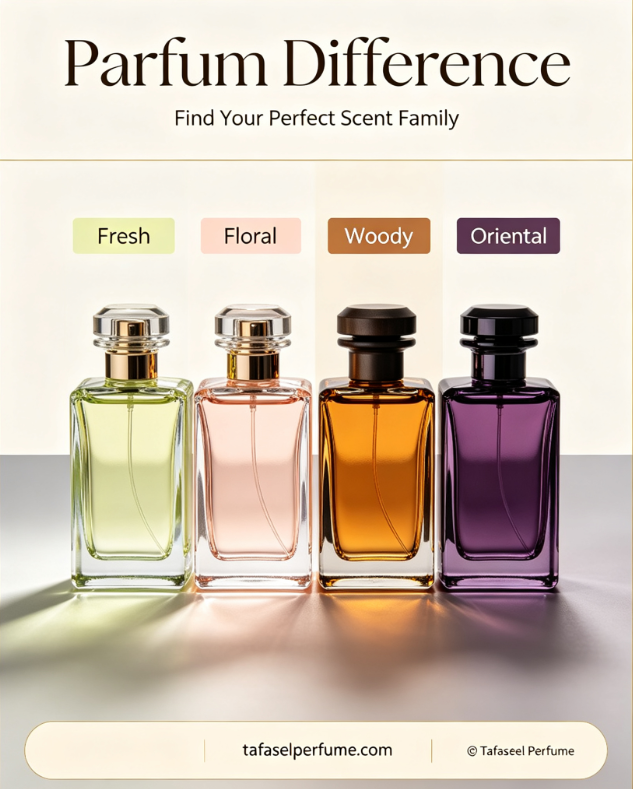
- Parfum Difference: Beyond Scent, an Olfactory Signature: ✦ short intro — Parfum difference isn’t merely about intensity; it’s the interplay of raw materials, memory, and skin chemistry. It transforms a fragrance into a personal narrative.
Long intro — In the universe of fine fragrance, the “parfum difference” is the invisible thread that separates a fleeting cologne from an unforgettable trail. It’s the concentration of absolutes, the quality of natural extracts, and the artistry of the perfumer’s palette. But deeper still, it’s how a scent behaves on your skin—how it unfolds, blooms, and lingers. This article unpacks the layers of that difference, from molecular structure to emotional resonance, and helps you navigate the fragrant spectrum with confidence.
Whether you are a collector, a curious novice, or a brand enthusiast, understanding the parfum difference elevates every spritz into a conscious choice. We explore everything from Eau de Cologne to extrait, and the subtle alchemy that makes each bottle a universe.
explore the difference — jump to section
1. Concentration & longevity 2. Natural vs synthetic 3. Skin chemistry & evolution 4. The olfactory pyramid 5. Niche vs designer 6. Vintage vs modern 7. Unisex & gender fluidity 8. Layering & signature 9. Investment & value1. Concentration & longevity · the parfum difference
The most tangible aspect of the parfum difference lies in concentration. Perfume oils (or essences) are diluted in alcohol and water; the higher the oil ratio, the more intense and tenacious the fragrance. An extrait de parfum (20–40% oil) can last over 12 hours, while an Eau de Toilette (5–15%) may fade within 4–6 hours. This is not merely about strength—it’s about depth. Higher concentrations preserve the heart and base notes longer, allowing the fragrance to evolve slowly. For those who appreciate a scent that transforms across the day, the parfum difference is measured in hours and nuanced dry-downs.
Beyond longevity, concentration affects projection. Parfum sits closer to the skin, creating an intimate aura, while Eau de Parfum offers a balanced sillage. Choosing the right concentration is the first step in curating your olfactory identity. Ranking lists often highlight concentration as a key differentiator.
2. Natural vs synthetic · soul of the scent
Another pillar of the parfum difference is the origin of raw materials. Natural extracts—rose absolute, jasmine, sandalwood—carry a complexity that synthetics often mimic but rarely replicate. However, modern perfumery harnesses synthetic molecules (like Iso E Super or Calone) to create novel accords and ensure sustainability. The interplay between natural and synthetic defines a fragrance’s character: natural-heavy perfumes feel warm, irregular, and alive; synthetic-leaning compositions offer clarity and innovation. The true “parfum difference” often emerges in the blend, where natural and synthetic dance together. Explore Brands that champion both philosophies.
3. Skin chemistry & evolution
Have you ever tried a fragrance on a friend and it smelled completely different? That’s the parfum difference in action—skin chemistry. pH levels, temperature, and even diet alter how a perfume develops. The top notes (citrus, light florals) may evaporate quickly, while the base (musk, woods, vanilla) binds to your skin’s natural oils. This is why a perfume is never truly “the same” on two people. Understanding this aspect helps you select fragrances that harmonize with your body. For a personalized experience, consider Unisex Perfume ranges that adapt beautifully across different skin types.
4. The olfactory pyramid · structure of difference
The traditional olfactory pyramid (top, heart, base) is the architectural blueprint of a perfume. The parfum difference is often revealed in the transition between these layers. A well-constructed fragrance will have a seamless flow: sparkling top notes give way to a floral or spicy heart, finally settling into a rich base. The quality of ingredients and the perfumer’s skill determine how distinct and memorable this journey feels. Tafaseel collections are renowned for their masterful pyramid construction, ensuring each phase is as captivating as the last.
5. Niche vs designer · philosophy of difference
Niche perfumery emphasizes artistic freedom, unusual materials, and higher concentrations—often a parfum difference in ethos. Designer fragrances, while accessible and mass-appealing, tend to follow market trends. Neither is superior; they serve different desires. Niche houses may use rare oud, iris butter, or tuberose absolute, creating scents that are polarizing yet profound. Designer perfumes are crafted for wearability and broad appeal. Exploring both worlds enriches your olfactory vocabulary. Check out Perfume Gift Sets that include both niche and designer options for a curated discovery.
6. Vintage vs modern · time as a differentiator
Vintage fragrances (pre-2000s) often feature heavy animalic notes, oakmoss, and aldehydes that are now restricted or reformulated. Modern perfumery leans towards cleaner, synthetic musks and transparent florals. This parfum difference is both regulatory and aesthetic. Vintage lovers cherish the depth and “dirtiness” of classic chypres and orientals, while modern enthusiasts enjoy sheer, luminous compositions. The distinction is not about quality but about the zeitgeist. If you’re curious about timeless expressions, Men’s Perfume and Women’s Perfume categories often highlight iconic vintage-inspired releases.
7. Unisex & gender fluidity · the modern difference
In contemporary perfumery, the parfum difference increasingly transcends gender. Unisex fragrances rely on notes that are not stereotypically masculine or feminine—think bergamot, vetiver, iris, or ambroxan. This shift reflects a broader cultural movement towards fluidity and self-expression. A scent’s perception is influenced by the wearer’s personality, not just their gender. Many of today’s most celebrated releases are proudly unisex, offering a blank canvas for personal interpretation. The Unisex Perfume section is a great starting point for exploring this boundary-blurring category.
8. Layering & signature · crafting your difference
Layering—combining two or more perfumes—is the ultimate act of personalizing the parfum difference. By pairing a woody base with a floral heart, you create a unique scent that no single bottle can replicate. This technique also allows you to adjust intensity and longevity. Many perfumers encourage layering as an art form. Start with a light Eau de Cologne and overlay a richer Parfum. The result is a bespoke fragrance that evolves with your mood. To experiment, explore Mini Size & Gift Sets that offer multiple scents for layering practice.
9. Investment & value · the lasting difference
Finally, the parfum difference can be measured in value. A high-quality perfume, with its concentration of rare naturals and skilled composition, often comes with a higher price tag. Yet, its longevity and emotional impact make it an investment in daily luxury. Conversely, affordable fragrances can still offer joy, but they may lack the depth and complexity of premium creations. Understanding what you’re paying for—ingredients, artistry, branding—helps you make informed choices. For those seeking value without compromising quality, Deodorant & Antiperspirant and Fragrance Gels provide lighter, budget-friendly alternatives.
Ultimately, the parfum difference is a personal journey. It’s about discovering what resonates with your soul, your skin, and your story. Whether you lean towards a bold extrait or a delicate Eau de Toilette, the true difference lies in the connection you forge with the scent.


