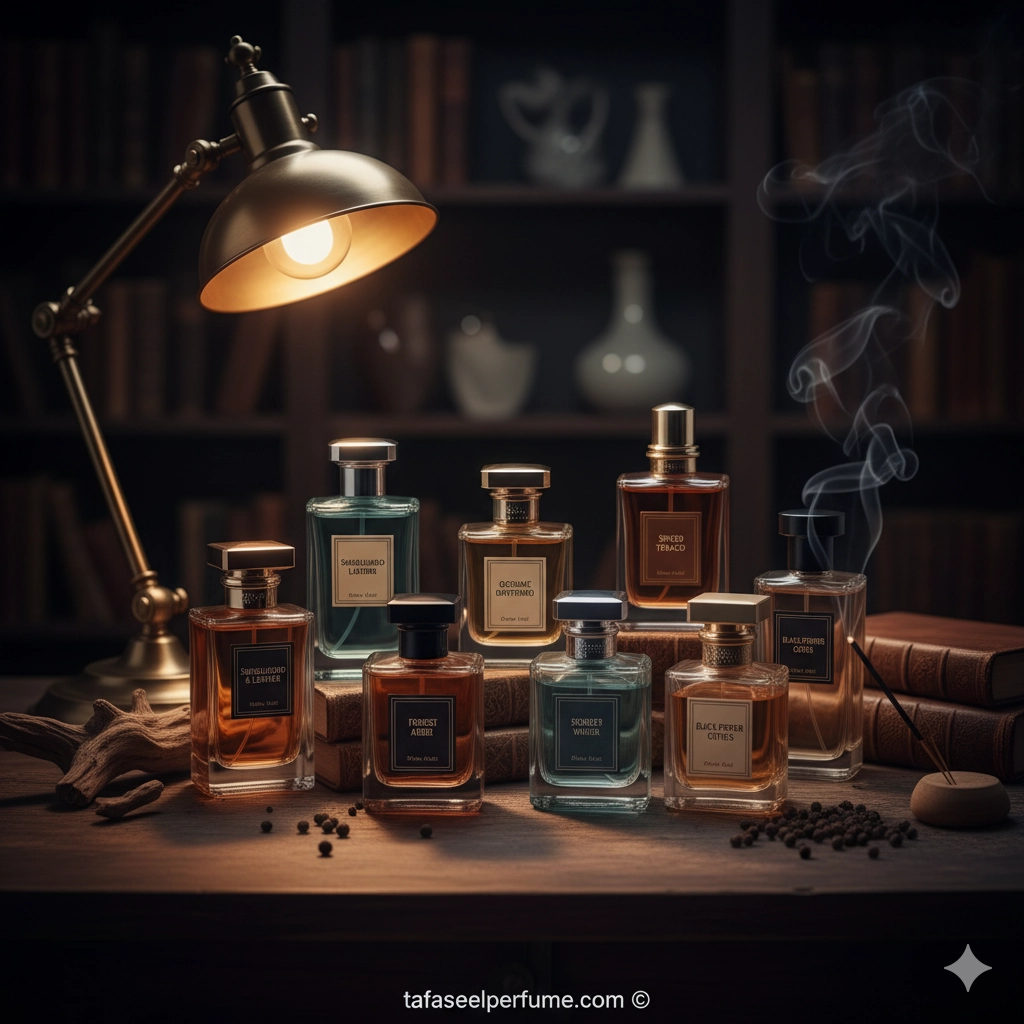
- Non-Flowery Perfume: A Smart Guide to Clean, Green & Modern Scents: Short intro: Non-flowery perfumes favor woody, fresh, spicy, aquatic, or musky notes over overt florals — perfect for people who want a subtle, modern signature without the classic rose-or-lily profile.
Long intro: In a world where perfumery often defaults to blooms, non-flowery perfumes offer an alternative language of scent: cedar, vetiver, leather, citrus, sea spray, incense, and gentle spices. These compositions can feel minimalist or bold, clinical or warm — but they all share a common aim: to avoid dominant floral accords and create an identity that reads as contemporary, unisex, or quietly masculine/feminine depending on concentration and context. Whether you're hunting for an office-friendly spritz, a long-lasting evening eau de parfum, or a light everyday cologne, this guide walks you through categories, picks, application tips, and common FAQs. Along the way, I'll point you to useful resources like where to shop and which blends to try, including a few reputable retailers and notable fragrance lines. For shopping inspiration, check out Best Online Perfume Retailers for dependable sources and deals.
Contents — quick jump list:
1. Why choose non-flowery perfumes?
2. Key note families in non-floral scents
3. Best non-floral picks for everyday wear
4. Evening & date-night non-floral choices
5. How to layer and make them last
6. Shopping tips and sample strategies
7. Unisex vs. gendered non-floral fragrances
1. Why choose non-flowery perfumes?
Non-flowery perfumes suit anyone who finds traditional floral perfumes too sweet, too romantic, or simply not aligned with their personal style. They pop up in minimalist wardrobes, urban streetwear, professional settings, and in wardrobes that value subtlety over statement. Many people choose non-floral scents for practical reasons: florals can read as overly feminine in some contexts, can clash with body chemistry, or may smell too olfactory-heavy in enclosed spaces like offices. Non-floral compositions instead rely on textures — the dryness of vetiver, the saltiness of marine notes, the crispness of citrus, the smoky trail of incense — which often translate as more modern and versatile. If you’re shopping, also consider exploring lines beyond the mainstream; for example, boutique catalogs and curated lists can reveal unique woody or aquatic blends. A helpful place to compare multiple retailers is Best Online Perfume Retailers.
2. Key note families in non-floral scents
Here are the major families you’ll encounter and what feeling they typically convey:
Woody: Cedar, sandalwood, oud, and guaiac give a warm, sophisticated backbone — great for autumn/winter and formal wear.
Green & Herbal: Galbanum, basil, rosemary, and crushed leaves create a fresh, outdoorsy vibe that’s lively and clean.
Oriental/Spicy: Cinnamon, cardamom, pepper, and saffron introduce sensual warmth without floral sweetness.
Leather & Animalic: Suede, leather, musk, and castoreum (modern synthetics often replace animalic notes) offer rich, tactile depth for bold statements.
Aquatic & Ozonic: Sea spray, mineral ozone, and watery accords are modern, airy, and perfect for summer or office-friendly options.
Citrus & Aromatic: Bergamot, grapefruit, lemon, and neroli (used very sparingly in non-floral blends) give brightness and approachability.
3. Best non-floral picks for everyday wear
Everyday non-floral perfumes should be unobtrusive, pleasant, and long-wearing enough to require only one application. For easy starters, consider light citrus-led colognes with a woody base or clean soapy musks with a hint of citrus. If you want a list to browse before buying, check well-known retailers and curated lists at Best Online Perfume Retailers or explore neutral, versatile offerings like unisex citrus-woody blends on signposts like their “Unisex Perfume” section: Unisex Perfume.
4. Evening & date-night non-floral choices
For evenings, go deeper: smoky incense, patchouli with dark chocolate facets, leather accord with a whisper of spice, or oud-centered compositions. These are designed to evolve on skin and reveal interesting transitions (top to heart to base) over hours. If you’re exploring iconic lines that include non-floral evening pieces, you might read about classics like Poison Parfum and modern sensual offerings; while some house scents skew floral, many brands now offer leathery or woody flankers aimed squarely at date-night audiences.
5. How to layer and make them last
Layering is an art: start with a neutral base (unscented lotion or a matching body oil), then spray a cologne lightly on pulse points. To extend projection, layer a complementary scented body wash or deodorant rather than piling on different perfumes. For non-florals, layering a citrus top with a woody base works well — citrus gives immediacy, wood gives longevity. Avoid mixing too many spicy/animalic notes or you’ll lose clarity. If you're unsure where to test or stock up, look for sample-friendly retailers; a curated list can help — try the “Best Online Perfume Retailers” guide at Best Online Perfume Retailers.
6. Shopping tips and sample strategies
Buy decants or sample sets before committing to full bottles. Smell on skin (not paper) and allow scents to evolve for at least an hour. Keep a scent journal: note the name, date, season, and how it made people react. When purchasing online, check return/sample policies and read community reviews. If you need a crowd-pleaser or gift idea, consider focused pages like “Finding the Best Cologne for Your Boyfriend” for gendered gift guidance: Finding the Best Cologne for Your Boyfriend.
7. Unisex vs. gendered non-floral fragrances
Non-floral fragrances are often the most gender-neutral in perfumery. Many woody, citrus, and aquatic scents read as unisex because they avoid rose/jasmine dominance. However, marketing and bottle design may push a scent toward a gendered audience. If you prefer an unbranded, modern impression, browse unisex sections like Unisex Perfume and try samples first. For a taste of bold, non-floral yet mainstream lines, you might explore contemporary offerings like Versace Eros for Women (not strictly non-floral, but an example of how houses target different demographics) or leather-forward classics discussed in longform reviews such as The Allure of Poison Parfum.
FAQs about Non-Flowery Perfume
Q1: What exactly counts as a "non-flowery" perfume?
A: A non-flowery perfume is any fragrance where floral notes (rose, jasmine, lily, tuberose, etc.) are not the dominant accord. Instead, the scent emphasizes woody, spicy, citrus, aquatic, herbal, leather, or musky elements.
Q2: Are non-floral perfumes better for men?
A: Not inherently. Many non-floral fragrances are unisex. Historically, marketing tied woody/leather scents to men and florals to women, but modern perfumery blurs those lines. Choose what works with your body chemistry and style.
Q3: Do non-floral perfumes last longer than floral ones?
A: Longevity depends on concentration (parfum vs. eau de toilette), the base notes (woods and resins often last longer), and skin chemistry. Many woody or resinous bases have better staying power than light, volatile floral tops.
Q4: Can I wear non-floral perfumes in hot weather?
A: Yes. Choose lighter aquatic, citrus, or green compositions for summer. Heavy leather or oud pieces are best saved for cooler evenings or seasons.
Q5: How do I test non-floral scents properly?
A: Apply to skin (inside wrist or elbow), wait at least 30–60 minutes to experience the drydown, and avoid testing more than three scents in one session to prevent nose fatigue. For buying online, purchase samples or decants first.
Q6: Where can I find good non-floral options online?
A: Look for specialty retailers and curated marketplaces. For a starting list of trustworthy shops, see Best Online Perfume Retailers. Also explore dedicated product pages like Unisex Perfume and category overviews.
Q7: Any quick recommendations for non-floral "safe bets"?
A: Seek out cedar/amber-vanilla hybrids for warmth, vetiver-citrus for daytime freshness, and incense or leather blends for evening depth. If you want trending or classic names, read reviews and comparisons on curated article pages and brand listings — for instance, background reading on signature lines can be found at Burberry Bloom (as a point of contrast to floral lines) and other curated reviews.
Closing note: Non-flowery perfumes offer opportunity — to be modern, discreet, and distinctive. Try a few samples across woody, green, aquatic, and spicy families, keep notes, and don’t be swayed solely by packaging or gendered marketing. If you want, I can create a short sampler list (3–6 specific non-floral bottles) tailored to your budget and season next — or point you to where to buy samples online.


