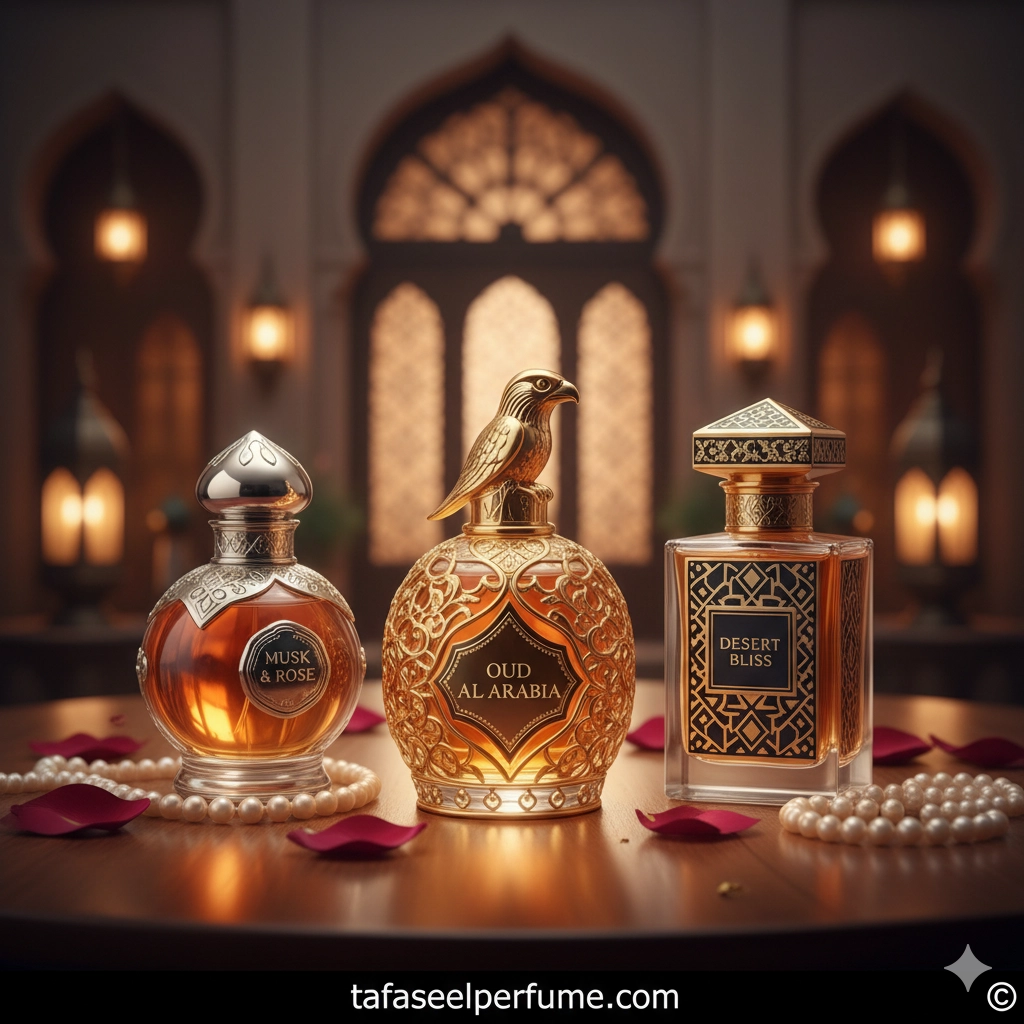
- Most Popular Arabic Perfume: Why These Middle Eastern Scents Dominate Global Fragrance Trends: Most popular Arabic perfume styles are known worldwide for their richness, longevity, and emotional depth, blending centuries-old traditions with modern luxury perfumery.
Arabic perfumes represent a distinct olfactory culture rooted in heritage, craftsmanship, and symbolism. Unlike many Western fragrances that prioritize freshness or minimalism, the most popular Arabic perfume compositions emphasize intensity, warmth, and presence. They often revolve around precious natural materials such as oud, amber, musk, rose, and exotic spices. These fragrances are not merely accessories; they are expressions of identity, hospitality, and personal status. Today, Arabic perfumes have transcended regional boundaries, influencing niche and mainstream perfume houses across Europe and the United States.
Table of Contents
1. What Defines the Most Popular Arabic Perfume – Key characteristics that make Arabic fragrances instantly recognizable.
2. Oud: The Heart of Arabic Perfumery – Why oud remains the most sought-after note.
3. Amber, Musk, and Rose in Arabic Scents – Supporting notes that create depth and sensuality.
4. Why Arabic Perfumes Last So Long on Skin – Concentration, ingredients, and formulation secrets.
5. Arabic Perfume vs Western Perfume Styles – Cultural and olfactory contrasts.
6. How to Choose the Right Arabic Perfume for You – Practical guidance for first-time buyers.
1. What Defines the Most Popular Arabic Perfume
The most popular Arabic perfume is defined by its boldness, complexity, and unapologetic intensity. These fragrances are designed to project confidence and sophistication rather than subtlety. High oil concentrations are common, allowing the scent to evolve slowly over many hours, sometimes even days on clothing.
Arabic perfumes often open with strong woody or resinous accords, followed by a heart of florals or spices, and settle into a deep, sensual base. This layered construction reflects the cultural importance of fragrance in daily life and ceremonial settings. For fragrance enthusiasts exploring global scent cultures, Arabic perfumes offer an experience similar in depth to niche Western creations such as Jo Malone Amber Patchouli, but with a more traditional and powerful signature.
2. Oud: The Heart of Arabic Perfumery
Oud, also known as agarwood, is the cornerstone of the most popular Arabic perfume profiles. Derived from resinous wood formed through a rare natural process, oud carries smoky, leathery, and slightly animalic nuances that are instantly recognizable.
In Arabic culture, oud is associated with luxury, spirituality, and refinement. It is often worn during important gatherings or layered with other fragrances to create a personalized scent trail. Modern interpretations sometimes soften oud with floral or sweet notes, making it more approachable for international audiences, while still preserving its unmistakable character.
3. Amber, Musk, and Rose in Arabic Scents
Beyond oud, amber, musk, and rose play essential roles in shaping the most popular Arabic perfume compositions. Amber adds warmth and sweetness, musk enhances sensuality and longevity, and rose—often Damask rose—introduces elegance and emotional depth.
These notes are blended in generous proportions, resulting in fragrances that feel both comforting and powerful. Similar note structures can also be found in refined Western fragrances such as Lavender and Amber Jo Malone, though Arabic perfumes tend to amplify richness and intensity.
4. Why Arabic Perfumes Last So Long on Skin
One of the defining features of the most popular Arabic perfume is exceptional longevity. This is largely due to the use of perfume oils rather than alcohol-heavy sprays. Oils bind more effectively to the skin and release scent molecules gradually over time.
Additionally, heavy base notes such as oud, amber, and resins naturally evaporate more slowly. This makes Arabic perfumes ideal for evening wear, special occasions, or individuals who prefer fragrances that remain noticeable throughout the day.
5. Arabic Perfume vs Western Perfume Styles
Arabic and Western perfumes differ not only in composition but also in philosophy. Western fragrances often emphasize freshness, versatility, and seasonal wearability. Arabic perfumes, by contrast, celebrate intensity, individuality, and emotional storytelling.
While Western perfumes like those discussed in Lancome Intense focus on polished balance, Arabic perfumes embrace contrast and depth. This distinction is a key reason why Arabic fragrances stand out so strongly in global rankings and niche perfume communities.
6. How to Choose the Right Arabic Perfume for You
Choosing the most popular Arabic perfume for personal use requires understanding your comfort level with bold scents. Beginners may prefer blends that combine oud with softer notes like vanilla or floral accords. Experienced fragrance wearers often gravitate toward pure oud or resin-heavy compositions.
It is also important to consider application style. A small amount goes a long way, especially with oil-based perfumes. Sampling and gradual exploration are recommended, particularly for those transitioning from mainstream Western fragrances.
Frequently Asked Questions About the Most Popular Arabic Perfume
What makes Arabic perfume different from regular perfume?
Arabic perfume typically uses higher oil concentrations and focuses on deep, long-lasting notes such as oud, amber, and musk, resulting in stronger projection and longevity.
Is the most popular Arabic perfume suitable for daily wear?
Yes, but application should be light. Many people reserve Arabic perfumes for evenings or special occasions due to their intensity.
Do Arabic perfumes work well for both men and women?
Most Arabic perfumes are inherently unisex, emphasizing notes that adapt naturally to individual skin chemistry.
Why is oud so expensive in Arabic perfumes?
Oud is rare, time-intensive to produce, and highly valued culturally, making it one of the most expensive perfume ingredients in the world.
Are Arabic perfumes compatible with Western fragrance wardrobes?
Absolutely. Many fragrance enthusiasts layer Arabic perfumes with Western scents or alternate them based on mood and occasion.


