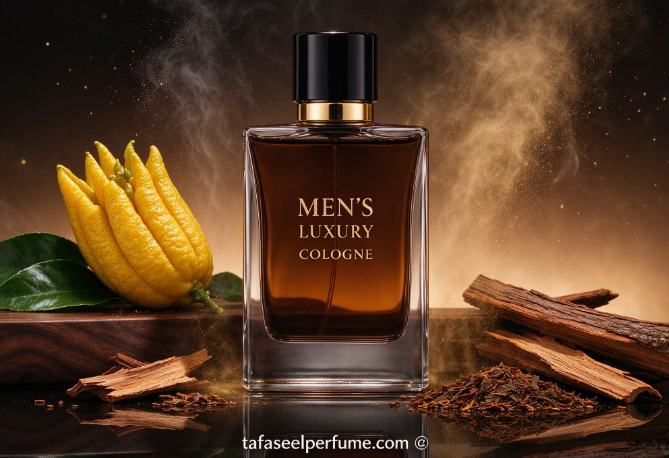
- Men's Luxury Cologne: The Ultimate Guide to Signature Scents, Ingredients, and Buying Smart: Quick Intro: Men's luxury cologne is more than a finishing touch—it is an invisible signature. This guide breaks down what makes a cologne truly luxurious, how to choose one that fits your skin and lifestyle, and which notes, houses, and formats are worth your money.
Big Intro: The world of men's luxury cologne can feel intimidating. Between niche houses, designer icons, and a flood of online reviews, it is easy to spend a fortune on a bottle that never leaves the shelf. But luxury fragrance is not about price tags alone—it is about concentration, craftsmanship, ingredient quality, and how a scent evolves on your skin. A well-chosen luxury cologne should feel like an extension of your personality: confident in the boardroom, relaxed on weekends, and memorable in the evening. In this comprehensive guide, we explore the anatomy of a luxury cologne, the fragrance families that define modern masculinity, the difference between Eau de Toilette and Eau de Parfum, and practical strategies for testing and buying. Whether you are building your first serious fragrance wardrobe or refining a collection, the goal is the same: invest in scents you will actually wear, and understand why they work. Along the way, we will connect you with relevant resources across the Tafaseel Perfume ecosystem, from broader fragrance categories to curated gift sets and brand rankings, so you can shop with context and confidence.
Contents
1. What Defines a Men's Luxury Cologne?
2. Fragrance Families Every Man Should Know
3. Concentration Levels: EDT vs. EDP vs. Parfum
4. How Luxury Cologne Interacts With Your Skin
5. The Role of Ingredients and Perfumers
6. Building a Fragrance Wardrobe for Different Occasions
7. Designer vs. Niche: Where Luxury Really Lives
8. How to Test and Buy Luxury Cologne Without Regret
9. Storage, Longevity, and Care Tips
10. Gifting Luxury Cologne: Practical Advice
Section 1 Preview: Luxury cologne is defined by more than branding—it is a combination of high-quality raw materials, skilled composition, and a scent that develops beautifully over time.
Read: What Defines a Men's Luxury Cologne?
Section 2 Preview: Understanding fragrance families—woody, aromatic, oriental, fresh—helps you navigate the market and articulate what you actually like.
Read: Fragrance Families Every Man Should Know
Section 3 Preview: Concentration determines intensity, longevity, and price. Knowing the difference between EDT and EDP prevents costly mistakes.
Read: Concentration Levels: EDT vs. EDP vs. Parfum
Section 4 Preview: Skin chemistry, pH, and body temperature all influence how a luxury cologne performs. What smells great on paper may smell different on you.
Read: How Luxury Cologne Interacts With Your Skin
Section 5 Preview: From oud and sandalwood to iris and ambergris, ingredient quality separates luxury from mass-market fragrance.
Read: The Role of Ingredients and Perfumers
Section 6 Preview: A practical framework for choosing day, evening, office, and seasonal scents without overspending.
Read: Building a Fragrance Wardrobe for Different Occasions
Section 7 Preview: Designer houses offer accessibility and polish; niche houses offer originality and rare materials. Both can be luxury—context matters.
Read: Designer vs. Niche: Where Luxury Really Lives
Section 8 Preview: Sampling strategies, decants, and return policies that protect your investment.
Read: How to Test and Buy Luxury Cologne Without Regret
Section 9 Preview: Heat, light, and air degrade fragrance. Learn how to store bottles for maximum shelf life.
Read: Storage, Longevity, and Care Tips
Section 10 Preview: How to choose a luxury cologne as a gift, including sets and discovery options.
Read: Gifting Luxury Cologne: Practical Advice
For broader exploration, you can browse Men's Perfume collections, compare options in Unisex Perfume, or explore curated Perfume Gift Sets.
What Defines a Men's Luxury Cologne?
A men's luxury cologne is not simply a fragrance with a high price tag. It is a composition built on high concentrations of quality raw materials, balanced by a skilled perfumer, and designed to evolve gracefully on the skin over several hours. Luxury colognes typically use natural essences—sandalwood, vetiver, bergamot, oud, iris—rather than relying entirely on synthetic approximations, although modern luxury houses also use sophisticated molecules to achieve effects that nature cannot. The result is a scent with depth, nuance, and a distinct opening, heart, and base. Luxury also implies presentation and consistency: weighted glass bottles, precise atomizers, and batch reliability matter. Finally, luxury cologne often carries a point of view—a house style or creative direction that gives the scent identity. When evaluating whether a cologne is genuinely luxurious, consider its concentration (Eau de Parfum or Parfum often signals higher oil content), the transparency of its ingredient sourcing, and whether it smells distinctive rather than derivative. For many men, the transition into luxury fragrance begins with understanding these fundamentals, which is why exploring dedicated Men's Perfume categories alongside educational Perfume resources can accelerate learning.
Fragrance Families Every Man Should Know
Fragrance families are the vocabulary of perfumery. The main families relevant to men's luxury cologne include woody (cedar, sandalwood, vetiver), aromatic (lavender, rosemary, sage), citrus/fresh (bergamot, lemon, grapefruit), oriental/ambery (amber, vanilla, spices), and leather (suede, birch tar). Modern luxury colognes frequently blend families—a woody-aromatic scent might open with citrus and settle into cedar and musk. Understanding these categories helps you articulate preferences and avoid blind buying. For example, if you enjoy fresh, clean scents, you will likely gravitate toward citrus-aromatic compositions; if you prefer depth, explore ambery-woody scents. Many houses organize collections around these families, and browsing a well-structured Unisex Perfume section can reveal shared reference points across genders. Learning the families also makes it easier to compare designer and niche offerings and to read reviews critically. Over time, you will develop a mental map that turns fragrance shopping from guesswork into a guided process.
Concentration Levels: EDT vs. EDP vs. Parfum
Concentration refers to the percentage of fragrance oil in the alcohol carrier. Eau de Toilette (EDT) typically contains 5–15% oil and offers a lighter, fresher wear with moderate longevity. Eau de Parfum (EDP) generally contains 15–20% oil and provides richer projection and longer wear. Parfum (or Extrait) can contain 20–30% oil and is the most intense and long-lasting format. For men's luxury cologne, EDP has become the sweet spot for daily wear—substantial but not overwhelming. However, concentration alone does not guarantee quality: a well-composed EDT can outperform a poorly made EDP. Consider your climate and use case. In hot, humid weather, lighter concentrations are often more comfortable; in cool climates or evening settings, EDP and Parfum shine. When shopping, check the product description for concentration, and remember that application technique affects performance as much as oil percentage. Pairing concentration knowledge with curated Perfume Gift Sets can help you experiment with formats before committing to a full bottle.
How Luxury Cologne Interacts With Your Skin
Skin chemistry is the variable most often ignored by new fragrance buyers. Your skin's pH, moisture level, and temperature influence how a cologne opens, develops, and fades. Dry skin tends to hold fragrance less effectively than moisturized skin, so applying an unscented lotion before spraying can improve longevity. Body heat accelerates evaporation, which is why pulse points—wrists, neck, behind the ears—are traditional application sites. Diet, medication, and even stress can subtly shift how a scent reads on you. This is why testing on skin, not paper, is essential. Spray a small amount on your wrist, wait at least thirty minutes, and evaluate the dry-down before deciding. What smells sharp or overly sweet on paper may soften beautifully on skin, and vice versa. If you are exploring shared or gender-neutral options, browsing Unisex Perfume can provide additional reference points for how similar notes behave across compositions.
The Role of Ingredients and Perfumers
Luxury cologne is ultimately an ingredient story. Natural oud, sandalwood, iris root, ambergris, and vetiver are expensive and labor-intensive to source, and their presence often signals a higher-quality composition. However, synthetics are not inherently inferior—modern molecules like Iso E Super or Ambroxan can create effects that are impossible with natural materials alone. The perfumer's skill lies in balancing these elements into a coherent whole. When reading about a luxury cologne, pay attention to the perfumer credited and the house's approach to sourcing. Some houses publish ingredient transparency reports; others rely on heritage and reputation. Understanding ingredients also helps you avoid marketing traps: a bottle labeled "oud" may contain only a trace of natural oud. Exploring Brands and Ranking resources can give you a sense of which houses consistently deliver on quality.
Building a Fragrance Wardrobe for Different Occasions
A fragrance wardrobe is a small, intentional collection of scents for different contexts. Most men need three to five colognes: a fresh daytime scent for work and casual wear, a warmer evening scent, a seasonal option for summer or winter, and perhaps a signature scent for formal occasions. Start with versatility—a woody-aromatic EDP can cover office and weekend wear—then expand into more distinctive territory. Avoid buying multiple bottles in the same family until you understand your preferences. Budgeting matters: luxury cologne is an investment, and rotating a few well-chosen bottles is smarter than accumulating many mediocre ones. If you are building a wardrobe from scratch, curated Mini Size & Gift Sets are an efficient way to sample multiple scents before committing. Pair this with Perfume reviews to identify gaps and avoid redundancy.
Designer vs. Niche: Where Luxury Really Lives
Designer fragrance houses benefit from massive distribution, polished marketing, and often excellent perfumers. Niche houses prioritize originality, rare materials, and smaller batch production. Neither category is inherently more luxurious—there are mediocre niche releases and exceptional designer ones. The distinction that matters is creative intent and execution. Designer scents are often designed for broad appeal and may be reformulated over time to meet regulations or cost targets. Niche scents can be more challenging but also more distinctive. For men's luxury cologne, the best approach is to evaluate each scent on its own merits: does it smell good to you, does it perform well on your skin, and does it fit your lifestyle? Browsing Brands and Ranking sections can help you compare houses and identify which ones align with your tastes.
How to Test and Buy Luxury Cologne Without Regret
Testing is the most important step in buying luxury cologne. Always sample on skin, ideally over several hours, and evaluate the dry-down rather than the opening spray. Request samples or decants from retailers, or purchase discovery sets. When buying online, check return policies and authenticity guarantees. Avoid blind buying full bottles based on reviews alone—fragrance is subjective, and a scent loved by thousands may not suit you. If you are gifting, consider sets or discovery options rather than a full bottle, unless you know the recipient's preferences well. Practical steps include keeping a fragrance journal, noting which notes and houses you enjoy, and revisiting samples after a few weeks. Resources like Ranking lists and Perfume articles can inform your shortlist, but your own nose is the final judge.
Storage, Longevity, and Care Tips
Proper storage extends the life of your luxury cologne. Heat, light, and air are the enemies: store bottles in a cool, dark place, away from bathroom humidity, and keep them tightly capped. Avoid decanting into unsealed containers for long-term storage. Most fragrances remain stable for three to five years, though citrus-heavy scents may degrade faster. If a bottle smells off—metallic, sour, or flat—it has likely oxidized. Application technique also affects perceived longevity: spray on moisturized skin, avoid rubbing, and consider applying to clothing (with caution, as some fabrics stain). Keeping a small rotation in a drawer rather than on a sunny shelf makes a measurable difference. For related care categories, you can explore Spa & Fragrance and Fragrance Gels for complementary products.
Gifting Luxury Cologne: Practical Advice
Gifting luxury cologne is thoughtful but risky without context. The safest approach is a discovery set or a gift card that allows the recipient to choose. If you know the recipient's preferences—favorite notes, brands, or past bottles—you can narrow the field. Consider the occasion: a fresh daytime scent for a new job, a warmer evening scent for a partner, or a classic signature for a milestone. Presentation matters, so gift sets with matching grooming products often feel more complete. Always include a gift receipt. Browsing Perfume Gift Sets and Mini Size & Gift Sets can help you find options that balance luxury and practicality, while Men's Perfume collections provide a starting point for identifying suitable scents.
Explore more across Women's Perfume, Beauty, and the full Tafaseel collection to round out your fragrance and grooming routine.


