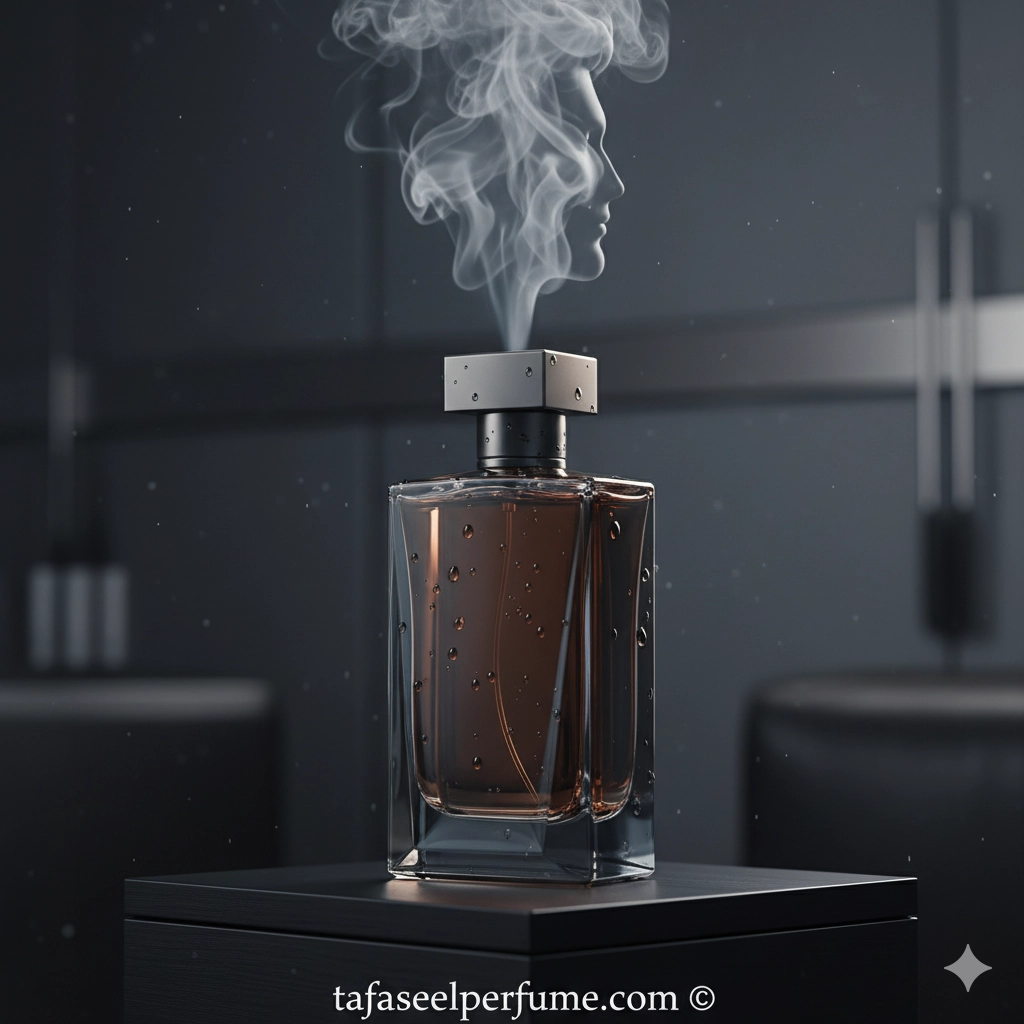
- Men's Fragrance: The Definitive Guide to Choosing, Wearing, and Loving Your Scent: Short intro: A practical primer to men's fragrance — what to look for, how to wear it, and how to choose scents that suit your life, season, and style.
Long intro: Men's fragrance blends art and science: top, heart and base notes unfold over hours while concentration, application and skin chemistry determine performance. This guide walks you through fragrance families (fresh, citrus, aquatic, aromatic, woody, oriental), explains formulation differences from eau de toilette to parfum, and gives actionable rules for buying, sampling, and storing scents. Whether you want an everyday signature, a date-night statement, or a travel-friendly vial, understanding composition, projection, and longevity will save time and money — and keep you smelling confident in any setting. Along the way you'll find curated topic sections, practical tips, and FAQs to answer common questions about layering, seasonality, and fragrance etiquette.
1. Everyday Classics: Reliable Signatures — Short guide to dependable, office-appropriate fragrances.
2. Fresh & Sporty: Citrus, Aquatic, and Clean — When to choose bright, energetic scents and how to wear them.
3. Evening & Date Fragrances: Warm, Spicy, and Alluring — Choosing seductive, longer-lasting options for night-time.
4. Niche vs Designer: What’s Worth the Price? — How niche houses differ from designer brands and when to invest.
5. Fragrance Longevity & Projection: Practical Tips — How to get better performance without over-spraying.
6. Seasonal Picks: Matching Scent to Weather — Why season matters and examples for each season.
7. Sampling, Storage, and Gifting: Smart Buying Habits — How to test, store, and give fragrance thoughtfully.
1. Everyday Classics: Reliable Signatures
Everyday signature fragrances prioritize versatility, subtlety, and approachability. They tend to be in the fresh-aromatic or woody-aromatic families and perform well in office, casual and transitional contexts. Look for balanced compositions where citrus or aromatic herbs open the scent, a clean floral or lavender middle stabilizes it, and a warm wood or soft musk base gives presence without overwhelming. Popular examples include modern reinterpretations of classics and lighter concentrations such as eau de toilette or eau de parfum with modest projection. When choosing an everyday scent, test it on skin for at least four hours, bring a notepad to record impressions, and prefer bottles that feel comfortable to use daily.
Tip: avoid heavy oriental or gourmand scents for daytime office wear; reserve those for evenings. For quick shopping ideas, check related reviews like Calvin Kline One: The Modern Unisex Classic Reimagined which illustrates how a light, versatile formulation can become a dependable daily choice.
2. Fresh & Sporty: Citrus, Aquatic, and Clean
Fresh fragrances are driven by bright top notes — citrus, marine accords, green leaves, and ozonic elements — that create an immediate impression of cleanliness and energy. These are ideal for warm climates, the gym-to-cafe routine, or roles that require a neutral, pleasant aura. Aquatic scents use synthetic accords to evoke sea air and perform well in humid conditions, while sporty citrus blends emphasize zesty bergamot, lemon, or mandarin. Because top notes fade quickly, the mid and base must still align with your style: opt for subtle woods or musk bases that keep the fragrance anchored. Fresh scents also pair well with deodorants and grooming products labeled as 'clean' or 'marine' to create a cohesive scent profile.
Practical note: apply sparingly to pulse points and clothing if you need a longer-lasting, unobtrusive presence. For further reading on aquatic freshness and modern interpretations, see an in-depth review such as Acqua di Gio Sale: A Modern Interpretation of Aquatic Freshness.
3. Evening & Date Fragrances: Warm, Spicy, and Alluring
Evening and date fragrances favor depth and sillage: think spicy cardamom and black pepper in the heart, followed by tobacco, amber, leather, or vanilla in the base. These notes interact with body heat to project intimacy and sophistication. Performance matters more for evening — a concentrated eau de parfum or parfum with richer base notes will develop slowly and linger. The goal is to be noticed positively without overpowering; one to two modest spritzes is usually enough. If you're building a 'date' wardrobe for scent, consider variants with gourmand facets (dark chocolate, tonka) or smoky woods for colder months, and balance them with lighter daytime options so your olfactory identity can adapt to context.
When testing date fragrances, wear the sample during an evening out to ensure it complements food, alcohol, and close conversation rather than competing with them.
4. Niche vs Designer: What’s Worth the Price?
Niche houses often emphasize unusual raw materials, creative structures, and artistic expression; designer fragrances prioritize broad appeal, brand recognition, and consistent performance. The premium for niche often reflects limited-edition ingredients, small-batch production, and more daring compositions. Decide what matters: if you want a unique signature and enjoy collecting, niche can be rewarding; if you prefer reliable, crowd-pleasing scents with easier rebuys and often friendlier price-per-milliliter, designer labels are sensible. Also evaluate concentration — a niche extrait may cost more but require fewer sprays, offsetting price in practice.
Budget strategy: buy decants or samples before committing to a full bottle; many retailers and review sites offer trial options. For insight into what makes niche fragrances stand out, consult articles and brand roundups like the curated pieces under the site's Perfume section.
5. Fragrance Longevity & Projection: Practical Tips
Longevity and projection are influenced by concentration (EDT vs EDP vs parfum), the molecular weight of ingredients (natural musks and resins last longer), and your skin type (oily skin holds scent longer). To optimize performance: apply to moisturized skin, target warm pulse points (wrists, neck, chest), avoid rubbing wrists together (which breaks molecules), and store bottles upright in a cool, dark place. Layering with unscented or complementary grooming products can increase longevity without over-spraying. If projection is too strong, dab instead of spraying; if too weak, try a higher concentration or a fragrance oil.
Safety note: test new fragrances for skin sensitivity on a small patch before regular use.
6. Seasonal Picks: Matching Scent to Weather
Seasonality guides selection because volatility and perceived intensity change with temperature. Spring and summer favor light, citrus, aquatic and green notes that feel refreshing. Fall and winter welcome richer, spicy, resinous, and gourmand compositions that reveal warmth and complexity as temperatures drop. Transition seasons are ideal for versatile aromatics and woody-amber blends. Keep a small portable atomizer with a season-appropriate travel spray so you can adapt without carrying multiple full bottles.
For inspiration across seasons, read feature articles that highlight seasonal adaptations and reinterpretations, such as What Makes Perfume Cool Water an Evergreen Fresh Fragrance Choice? which explains why some aquatic classics remain relevant year after year.
7. Sampling, Storage, and Gifting: Smart Buying Habits
Sampling saves money: ask for a skin test, request decants, or buy sample sets. Store fragrances away from light, heat and humidity to prevent oxidation and degradation; a drawer or closet shelf is preferable to a bathroom. When gifting, consider the recipient’s lifestyle and existing scent family preferences; if unsure, choose a versatile, low-risk option such as a fresh-aromatic or lightly woody eau de parfum. Include a receipt and a small card describing the scent family to make returns or exchanges easier if needed.
Helpful resource links for shoppers include curated lists and category pages like Men s Perfume and broader category pages such as Perfume Gift Sets to explore ready-made gifting solutions.
Frequently Asked Questions (FAQs)
Q1: How do I choose my signature men’s fragrance?
A1: Start by identifying fragrance families you enjoy (citrus, woody, spicy, aromatic). Sample multiple options on skin, wear them throughout a day to observe development, and choose one that fits your daily life and personality. A signature should be versatile, not extreme — test in real-world settings before buying a full bottle.
Q2: What’s the difference between EDT, EDP and parfum?
A2: These indicate concentration of perfume oils. Eau de Toilette (EDT) is lighter and often more ephemeral; Eau de Parfum (EDP) has higher concentration and longer longevity; Parfum (extract) is the most concentrated, richest, and typically the longest-lasting — requiring fewer sprays.
Q3: How many sprays are appropriate?
A3: Two to four sprays is a good rule for most situations. Apply to pulse points and consider clothing or hair for subtle diffusion. For closer interactions (e.g., the office), reduce spray count; for outdoor evening events, a slightly higher but still measured application can be acceptable.
Q4: Can I layer fragrances?
A4: Yes. Layering can create unique signatures but requires thoughtful pairing: combine scents with complementary notes (e.g., a citrus EDT with a woody base oil) and start with small amounts. Test combinations before committing, and avoid mixing multiple high-intensity fragrances.
Q5: How should I store my perfumes to keep them fresh?
A5: Store upright in a cool, dark place away from sunlight and heat. Avoid keeping bottles in the bathroom where humidity and temperature fluctuations accelerate degradation. For long-term storage, smaller decants kept in a drawer provide additional protection.
Q6: Are niche fragrances always better than designer ones?
A6: Not necessarily. Niche fragrances often offer uniqueness and artistic expression; designer fragrances typically emphasize broad appeal and consistency. Choose based on your priorities — uniqueness versus approachability — and always sample before purchasing a full bottle.
Q7: How can I make my scent last longer on my skin?
A7: Apply to moisturized skin, use unscented lotion as a base, target warm pulse points, and opt for higher concentrations if appropriate. Avoid rubbing the application sites and store the fragrance properly to preserve its chemical integrity.
Jean Paul Gaultier: Le Male Paradise Garden – A Modern Dive Into a Tropical
Is Lancome Idole Now Eau de Parfum the New Iconic Modern Floral Scent?
Juicy Gold Couture Perfume: The Luxe Fragrance That Defines Evening Glamour


