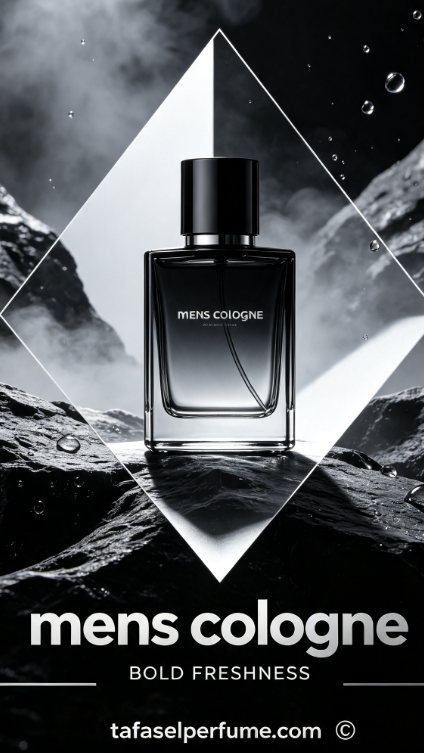
- Men’s Cologne: The Art of Sillage, Character & Modern Elegance: Short introduction · Men’s cologne is more than a scent — it is a silent signature, a whisper of personality. From crisp citruses to smoky woods, the right fragrance elevates presence, defines memory, and turns the ordinary into the extraordinary. Discover the essence of masculine perfumery.
Long introduction · For centuries, men have used fragrance to project confidence, sensuality, and distinction. Today’s cologne landscape is vast: fresh aquatic blends for the go‑getter, spicy orientals for the romantic, leathery chypres for the rebel, and minimalist aromatics for the purist. A cologne is not merely an accessory; it is an extension of identity. In this guide, we explore the finest facets of men’s cologne — from heritage houses to niche artisanal perfumers, from the chemistry of notes to the psychology of first impressions. Whether you are building your first collection or refining a curated wardrobe, these insights will help you navigate the world of masculine fragrance with confidence and flair.
Navigate · cologne chapters
The heritage of men’s cologne Citrus & freshness: the modern signature Woody & spicy: depth and mystery Leather & tobacco: rebellious elegance Marine & aquatic: breeze and vitality Oriental & amber: warmth and sensuality How to wear cologne like a pro Niche vs. designer: choosing your pathThe heritage of men’s cologne
From Eau de Cologne to modern masculine compositions. The term “cologne” originates from the German city of Köln, where Johann Maria Farina created the first Eau de Cologne in 1709. Initially a unisex, citrus‑based refresher, it gradually became a staple for gentlemen. By the 19th century, houses like Guerlain and Penhaligon’s crafted masculine scents with lavender, rosemary, and oakmoss. The 20th century brought fougères (fern‑like) and chypres, while the 1980s birthed powerhouse fragrances like Men’s Perfume icons. Today, cologne is a category that spans from light eaux de toilette to intense parfums, yet it always carries that historical thread of refinement. Heritage brands such as Perfume Brands continue to honour traditional distillation methods, while modern perfumers push boundaries with synthetics and rare naturals. Understanding this lineage enriches every spritz — you are not just wearing a fragrance; you are participating in a ritual that has evolved across centuries, cultures, and continents.
Citrus & freshness: the modern signature
Bergamot, lemon, grapefruit – the bright opening. Citrus notes are the most common top notes in men’s cologne, offering an immediate burst of energy. They cut through humidity, awaken the senses, and project a clean, approachable aura. Classics like Acqua di Parma Colonia or Dior Eau Sauvage rely on Sicilian citrus, while contemporary best‑sellers add a twist of ginger or mint. Fresh colognes are perfect for daytime, office wear, or warm climates. They rarely overpower, making them ideal for the man who prefers understated elegance. For a deeper exploration of fresh masculine scents, visit Unisex Perfume – many fresh colognes transcend gender boundaries. The key to citrus longevity lies in the base: when paired with white musk or vetiver, the sparkle lasts longer. We recommend sampling at least three citrus‑forward colognes before committing – your skin chemistry will amplify different facets, from the tartness of yuzu to the honeyed sweetness of mandarin.
Woody & spicy: depth and mystery
Cedar, sandalwood, patchouli, and cardamom. Woody‑spicy fragrances are the backbone of masculine perfumery. They evoke libraries, leather armchairs, and distant forests. Notes like cedarwood provide a dry, pencil‑shaving crispness; sandalwood offers creamy, almost milky smoothness; patchouli brings an earthy, bohemian edge; and spices like cardamom, nutmeg, or pink pepper add heat. Iconic examples include Guerlain Habit Rouge and Tom Ford Oud Wood. These scents shine in autumn and winter, and they are often chosen for evening events or romantic encounters. The complexity of woody spices makes them fascinating to wear: they evolve on the skin over hours, revealing hidden facets. For those who appreciate the artistry, Tafaseel offers curated collections that highlight rare wood species. A word of advice: spray woody colognes on pulse points (wrist, neck, behind the ears) and let them develop — the dry‑down is where the magic happens.
Leather & tobacco: rebellious elegance
Smoky, suede, and tar – the outlaw’s choice. Leather and tobacco notes are bold, unapologetic, and deeply alluring. They recall vintage car interiors, cigar lounges, and the rugged charm of the open road. These materials are often synthetically recreated (like isuputyl quinoline for leather) or derived from natural tinctures. Tobacco absolute brings a sweet, dried‑fruit nuance, while birch tar adds a campfire smokiness. Masterpieces such as Knize Ten or Memo Russian Leather have cult followings. In recent years, the trend has softened: modern leathers are blended with iris or vanilla to smooth out the roughness. If you are new to this genre, start with a lighter leather like Atelier Cologne Oud Saphir or Men’s Perfume selections that offer a contemporary interpretation. These scents are statement pieces – they command attention and are best reserved for occasions where you want to leave a lasting impression. Pair them with a crisp white shirt and a confident stride.
Marine & aquatic: breeze and vitality
Calone, sea salt, and driftwood. Aquatic fragrances emerged in the 1990s with Davidoff Cool Water and Issey Miyake L’Eau d’Issey for men. They capture the essence of ocean spray, wet stones, and fresh seaweed. The note calone provides a watermelon‑like freshness, while ambergris (or synthetic ambroxan) adds a salty, mineralic backbone. These scents are incredibly versatile – they work in scorching heat, at the gym, or as a daily pick‑me‑up. Their main appeal is their transparency: they do not weigh down the wearer. However, they tend to have moderate longevity, so reapplication may be needed. For a refined aquatic experience, look for those that incorporate herbs like rosemary or basil to add complexity. Many niche brands now offer “marine” with a twist – think of Heeley Sel Marin or Profumum Roma Acqua di Sale. Unisex Perfume often overlaps with aquatics, making them a shared pleasure. We recommend wearing aquatic cologne during daytime activities, particularly if you live near the coast or enjoy an active lifestyle.
Oriental & amber: warmth and sensuality
Vanilla, labdanum, benzoin, and opoponax. Oriental colognes are the most opulent and tenacious category. They are built around resinous, sweet, and balsamic notes that evoke the Silk Road and ancient trading routes. Amber is not a single material but an accord of labdanum, vanilla, and benzoin, creating a warm, powdery, and slightly sweet aura. Spices like cinnamon, clove, and saffron often accompany amber, while oud (agarwood) adds a smoky, medicinal depth. Legends such as Yves Saint Laurent Opium pour homme and Amouage Interlude sit in this realm. These scents are best suited for cool weather and evenings, as they radiate heat and intimacy. They are also long‑lasting – one or two sprays suffice. For those who enjoy the rich side of perfumery, Tafaseel collections include oriental gems that have been aged for months. When wearing an oriental cologne, embrace its evolution: the opening may be loud, but the dry‑down is a velvet caress. It is a fragrance that tells a story of mystery and passion.
How to wear cologne like a pro
Application, layering, and skin chemistry. Even the finest cologne can underperform if applied incorrectly. The golden rule: spray on clean, moisturized skin (unscented lotion helps hold the fragrance). Target pulse points: wrists, inner elbows, neck, and behind the knees. Avoid rubbing wrists together – it breaks down the top notes. For a lighter effect, spray into the air and walk through the mist. Layering is an art: start with a scented shower gel, then an unscented moisturizer, followed by cologne, and finish with a matching aftershave. Many brands offer “collections” that coordinate. Also, consider the season and occasion – fresh for day, warm for night. Store your bottles away from direct light and heat. Finally, trust your nose: if a fragrance makes you smile, it is yours. For more tips, explore Beauty Tips and Guides. Remember, cologne is a personal journey – there are no wrong choices, only different moods.
Niche vs. designer: choosing your path
Mass‑appeal versus artistic expression. Designer colognes (from fashion houses like Dior, Chanel, and Armani) are crafted for broad appeal, with balanced compositions and moderate prices. They are reliable, widely recognised, and easy to wear. Niche fragrances (from houses like Creed, Byredo, or Diptyque) are produced in smaller quantities, often with rare ingredients and unconventional structures. They tend to be more expensive, but they offer uniqueness and storytelling. There is no “better” — it depends on your personality and purpose. A designer fragrance is a safe choice for daily wear; a niche scent is a conversation starter. Many collectors maintain a mix of both. For an introduction to niche, browse Perfume Ranking and Top Lists to see what connoisseurs admire. Ultimately, the best cologne is the one that makes you feel like the best version of yourself. Sample widely, take your time, and let your nose be your guide.
Explore more · All featured links are part of the Tafaseel Perfume ecosystem. Discover your next signature scent.


