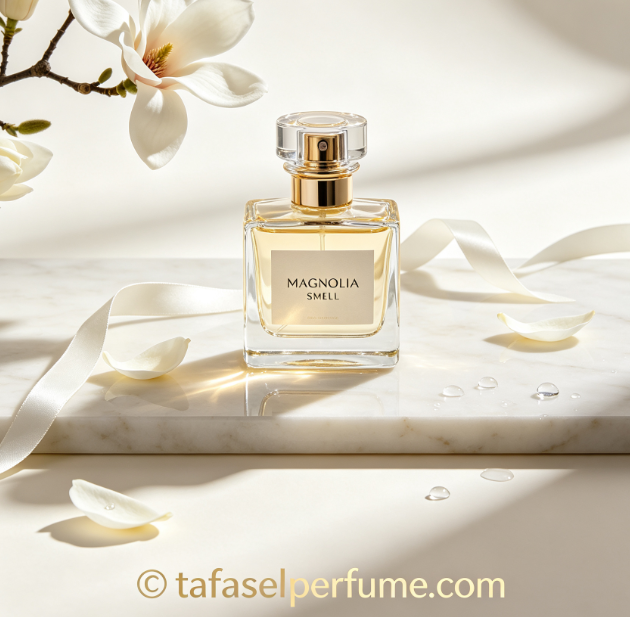
- Magnolia Smell · The Olfactory Architecture of Ethereal Bloom & Velvet Memory: Magnolia smell — a luminous whisper of citrus, creamy petals, and green tenderness. It is the scent of southern gardens, lucent mornings, and the quiet elegance of nature’s most refined flower.
Magnolia smell is not merely a fragrance; it is an olfactory architecture built from sun-warmed petals, lemony brightness, and a velvety undertone that lingers like a half-remembered dream. Unlike the heavy opulence of rose or the sharpness of jasmine, magnolia offers a translucent radiance—both fresh and deeply comforting. Its scent profile shifts with the hour: crisp and citrusy at dawn, creamy and almost vanilla-soft in the afternoon, and mysteriously green as dusk settles. This complexity has made magnolia a beloved note in perfumery, evoking everything from antebellum charm to contemporary minimalist luxury. In this article, we explore the many facets of magnolia smell, from its botanical soul to its modern interpretations, and why it continues to captivate perfumers and wearers alike.
✧ contents ✧
01. The Botanical Whisper 02. Magnolia in Perfumery 03. Fresh & Creamy 04. Green Undertones 05. Vintage vs. Modern 06. Layering with Magnolia 07. Seasonal Affinity 08. The Memory Keeper01. The Botanical Whisper · Magnolia’s Natural Soul
Magnolia is one of the oldest flowering plants on Earth, with fossils dating back over 20 million years. Its scent is an evolutionary masterpiece—designed to attract beetles rather than bees, which explains its robust, waxy petals and a fragrance that is both delicate and surprisingly durable. The magnolia smell varies among species: Magnolia grandiflora (Southern magnolia) offers a powerful, lemony-floral aroma with a pronounced green edge, while Magnolia champaca (Champaca) is intensely creamy, almost fruity, with a spicy undertone. This botanical diversity gives perfumers a rich palette, from the fresh, almost aquatic quality of Magnolia kobus to the honeyed richness of Magnolia stellata. The natural essential oil, extracted through solvent extraction or steam distillation, captures the flower’s fleeting beauty—a scent that feels both timeless and ephemeral, like the first warm day of spring.
The olfactory architecture of magnolia is built on three pillars: citrus brightness (from linalool and citronellol), creamy softness (from methyl jasmonate and vanillin-like molecules), and green freshness (from hexenol and leaf alcohols). This triad makes magnolia smell uniquely adaptable: it can be the star of a soliflore or a subtle bridge between citrus top notes and woody bases. In botanical gardens, the scent travels on humid air, intensifying after rain—a phenomenon perfumers try to replicate with watery accords and aldehydes. Whether encountered in a garden or a bottle, magnolia smell is a sensory reminder of nature’s quiet grandeur.
02. Magnolia in Perfumery · From Classic to Avant-Garde
Perfumers have long been fascinated by magnolia smell, not only for its beauty but also for its versatility. In classic French perfumery, magnolia often appears as a supporting note in floral bouquets, lending a luminous, non-indolic freshness. Think of iconic fragrances like Chanel No. 5 (where magnolia whispers alongside jasmine and ylang-ylang) or Diorissimo (where it adds a creamy texture to the lily-of-the-valley). In modern niche perfumery, magnolia takes center stage, often paired with unexpected materials: pink pepper, tea, or even leather. The contemporary perfumer uses magnolia smell to create transparency—a clean, airy quality that contrasts with heavier gourmand or woody accords.
One of the most celebrated modern interpretations is Frederic Malle’s Eau de Magnolia, which emphasizes the citrusy, almost effervescent side of the flower, balanced with vetiver and cedar. On the other hand, Tom Ford’s Magnolia Blossom leans into the creamy, solar aspects, wrapping the scent in vanilla and amber. The smell of magnolia is also a favorite in Asian perfumery, where it is often associated with purity and grace, used in minimalist blends with white tea or bamboo. This spectrum—from bright and sharp to smooth and sensual—demonstrates that magnolia smell is not a single note but a universe of olfactory possibilities, waiting to be explored by both creators and wearers.
03. Fresh & Creamy · The Duality of Magnolia
The most enchanting aspect of magnolia smell is its dual nature: it is simultaneously fresh and creamy. This paradox arises from the flower’s chemical composition. On one hand, terpenes like limonene and pinene provide a zesty, almost lemon-like sparkle that lifts the spirit and clears the mind. On the other hand, lactones and methyl anthranilate deliver a rich, milky softness that feels comforting and intimate. This duality makes magnolia perfect for any season—the freshness works in summer, while the creaminess provides warmth in winter.
In a fragrance composition, this duality allows perfumers to play with contrasts. A magnolia note can bridge a sparkling bergamot top and a silky musk base, or it can stand alone as a soliflore that evolves on the skin. The freshness is often accentuated by adding a touch of lemon or petitgrain, while the creaminess is amplified with sandalwood or heliotrope. Many wearers describe the magnolia smell as “light but substantial”—it doesn’t shout, but it lingers with a quiet authority. This quality makes it an excellent choice for both daytime elegance and evening sophistication, a rare versatility in the world of floral fragrances.
04. Green Undertones · The Earthy Side of Magnolia
Beyond the citrus and cream, magnolia smell carries a distinct greenness—a subtle, leafy freshness that grounds the floralcy. This green facet comes from the leaves and stems, which are often included in the extraction process, or from synthetic molecules that mimic the smell of crushed foliage. The green undertone is particularly pronounced in the Magnolia grandiflora species, where the scent of the flower is intertwined with the smell of wet bark and moss. This earthiness gives magnolia a natural, unpretentious quality, making it feel more like a garden than a perfume laboratory.
In modern perfumery, this green aspect is often highlighted to create “clean” or “eco-conscious” fragrances. Paired with fig leaf, violet leaf, or cucumber, magnolia smell becomes crisp and invigorating, evoking a walk through a dew-covered forest. Some perfumers even add a touch of galbanum or clary sage to intensify the herbal nuances. The green undertone also balances the sweetness of other florals, making magnolia an ideal partner for rose, peony, or orange blossom. It reminds us that magnolia is not just a flower but a whole ecosystem—a scent that carries the memory of rain, soil, and sunlight.
05. Vintage vs. Modern · The Evolution of Magnolia
The use of magnolia smell in perfumery has evolved dramatically over the decades. In vintage perfumes (1940s–1970s), magnolia was often used as a fixative or a subtle enhancer, blending into complex chypre or aldehydic structures. It was rarely the hero, but it added a luminous quality to heavy compositions. Classic examples include Miss Dior (1947) and L’Air du Temps (1948), where magnolia provided a smooth, polished edge. These early uses relied on natural extracts, which were expensive and variable in quality, making magnolia a note reserved for luxury fragrances.
Today, advances in synthetic chemistry have made magnolia more accessible and versatile. Perfumers can now isolate specific molecules like methyl jasmonate or phenylethyl alcohol to recreate magnolia’s signature facets with precision. Modern fragrances often feature magnolia in minimalist, transparent compositions—think of Byredo’s La Tulipe or Diptyque’s Eau Rose (where magnolia adds a fresh twist). The contemporary approach also experiments with cross-genre blending: magnolia with oud, with salty ambergris, or with smoky tea. This evolution reflects a broader shift in perfumery: from opulent, multi-layered structures to clean, expressive accords that celebrate individual notes. Yet, despite these changes, the core of magnolia smell remains unchanged—a symbol of timeless elegance and natural beauty.
06. Layering with Magnolia · Building Olfactory Dimensions
One of the most delightful aspects of magnolia smell is its ability to harmonize with a wide range of other notes, making it a favorite for fragrance layering. Because magnolia sits between fresh and creamy, it can act as a bridge between different olfactory families. For a bright, energizing blend, layer a magnolia-based fragrance with a citrus-forward scent (bergamot, grapefruit) or a green tea cologne. For a more sensual, evening-worthy aura, combine magnolia with woody notes (sandalwood, cedar) or warm spices (cinnamon, cardamom). The creaminess of magnolia also pairs beautifully with vanilla, tonka bean, or almond, creating a gourmand but refined profile.
In the realm of niche perfumery, layering has become an art form. Some enthusiasts combine a pure magnolia soliflore with a leather or suede scent to create a “modern chypre” effect. Others mix it with a salty marine accord to evoke a coastal garden. The key is that magnolia smell is never overpowering; it adapts and enhances, making it an ideal “second skin” note. When layering, start with a magnolia base (as the anchor) and then add complementary notes in small increments. The result is a personalized fragrance that evolves throughout the day, revealing new facets with each passing hour—a true olfactory architecture of individuality.
07. Seasonal Affinity · Magnolia Through the Year
Magnolia smell is often associated with spring, but its versatility makes it a year-round companion. In spring, the fresh, dewy aspect of magnolia aligns perfectly with blooming gardens and lighter fabrics. It feels like a renewal, a breath of optimism after winter’s heaviness. Summer amplifies the creamy, solar notes, making magnolia smell almost tropical—perfect for warm evenings and outdoor soirées. In autumn, the green undertones become more pronounced, evoking fallen leaves and earthy richness, especially when paired with woods or spices. Winter, surprisingly, magnolia works well as a comforting note, its creaminess providing a sense of warmth and cocooning, especially when layered with amber or musk.
Perfumers often design seasonal variations: lighter, aquatic magnolia for summer; richer, balsamic magnolia for winter. But the beauty of magnolia lies in its adaptability—it doesn't demand a specific season. Many fragrance enthusiasts find that magnolia smell becomes more intense and complex in cooler weather, as the skin’s warmth releases its creamy facets slowly. Whether you're wearing a magnolia cologne on a humid July afternoon or a magnolia parfum on a crisp December morning, the scent remains elegant and reassuring. It is a note that transcends time, a constant in the ever-changing cycle of nature.
08. The Memory Keeper · Magnolia and Emotional Resonance
Few floral notes possess the emotional power of magnolia smell. Its unique blend of freshness, creaminess, and greenness triggers a deep sense of nostalgia and comfort. For many, the scent evokes memories of grandmother’s garden, a first love’s perfume, or a childhood home enveloped by blooming trees. This emotional resonance is not coincidental; magnolia contains molecules that are known to have calming and mood-enhancing properties, such as linalool (also found in lavender) and methyl jasmonate (which promotes relaxation). The smell is often described as “huggable”—both uplifting and grounding.
In aromatherapy, magnolia essential oil is used to alleviate stress, anxiety, and even insomnia. Its gentle, floral-woody aroma encourages a sense of peace and clarity. Perfumers who create magnolia-centric fragrances often aim to capture this emotional dimension, designing scents that are not just beautiful but also deeply personal. Whether it’s a minimalist eau de parfum or a complex extrait, magnolia smell has a way of becoming part of one’s identity. It is a olfactory diary, a scent that carries stories and feelings, making it one of the most cherished notes in the perfumer’s palette.
✧ FAQ · Magnolia Smell Unveiled ✧
Magnolia smell is a delicate balance of fresh citrus (lemon-like), creamy floral (almost vanilla-soft), and green, leafy undertones. It is luminous, comforting, and subtly complex.
Generally, yes. Magnolia is considered a mild, non-irritating floral note. However, always check the full ingredient list, especially if you have known allergies to fragrance compounds.
Absolutely. When paired with woody, spicy, or aromatic notes (like cedar, bergamot, or vetiver), magnolia adds a clean, refined edge that works beautifully in men’s fragrances.
Unlike gardenia (which is intensely creamy and indolic) or jasmine (rich, animalic, and heady), magnolia is fresher, more citrusy, and less overpowering. It has a translucent quality.
Popular choices include Frederic Malle Eau de Magnolia, Tom Ford Magnolia Blossom, Jo Malone Magnolia & Moss, and Guerlain Aqua Allegoria Magnolia.
Yes, like all fragrances, magnolia smell evolves with body chemistry. It may become sweeter, more citrusy, or more creamy depending on your skin’s pH and temperature.
Both. Natural magnolia extracts exist, but many perfumes use synthetic molecules to recreate the scent more consistently and affordably. High-end fragrances often use a blend of both.
Magnolia is versatile year-round, but its fresh, creamy nature makes it especially lovely in spring and summer. In cooler months, it can be layered for added warmth.
Magnolia smell — an eternal whisper of nature’s elegance. Explore more olfactory architectures at Tafaseel Perfume Articles.


