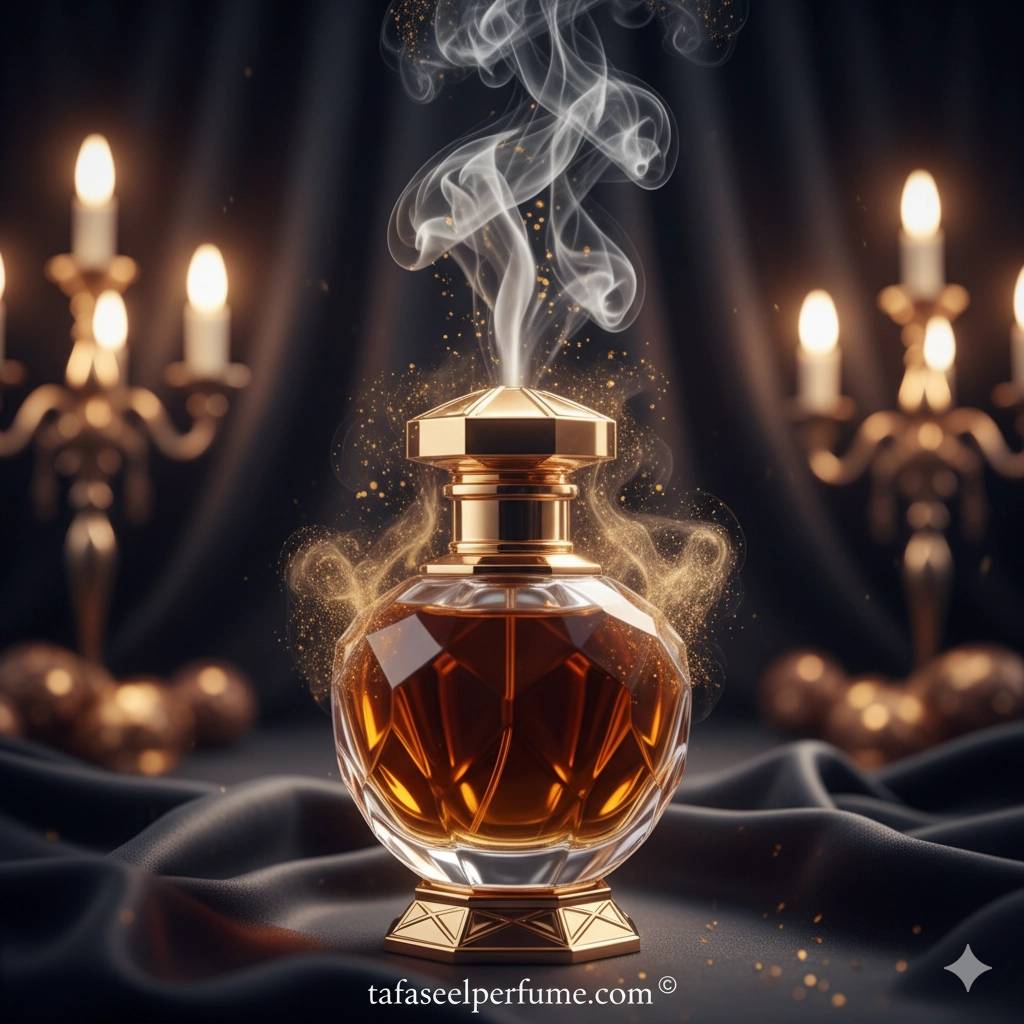
- Luxury Scent: Defining the Art of High-End Fragrance in the Modern World: Luxury scent is more than an aroma—it is an expression of identity, craftsmanship, and emotional resonance. From rare raw materials to masterful composition, luxury fragrances elevate scent into an art form.
A true luxury scent balances heritage and innovation. It reflects cultural depth, personal taste, and the evolving expectations of discerning fragrance lovers who seek more than mass-produced perfumes.
In today’s fragrance landscape, luxury scent is shaped by niche perfumery, artisanal techniques, and a growing appreciation for authenticity. Whether discovered through Perfume editorials or curated by prestigious Brands, luxury fragrance represents refinement at its highest level.
Table of Contents
1. What Defines a Luxury Scent – The core elements that separate luxury from ordinary fragrance.
2. The Role of Ingredients in Luxury Perfumery – Why raw materials matter more than marketing.
3. Craftsmanship and the Perfumer’s Vision – How artistic intent shapes iconic scents.
4. Longevity, Sillage, and Performance – Technical excellence in high-end fragrance.
5. Luxury Scent as a Lifestyle Statement – Fragrance as part of personal branding.
6. Iconic Examples of Modern Luxury Scents – Scents that define contemporary elegance.
1. What Defines a Luxury Scent
A luxury scent is defined by intentional design rather than mass appeal. Unlike mainstream perfumes, luxury fragrances prioritize depth, balance, and emotional storytelling. Each note is chosen not only for its smell but for its role within a carefully structured olfactory narrative.
Luxury scents often avoid trend-driven shortcuts. Instead, they aim for timelessness, allowing wearers to associate the fragrance with personal memories and moments rather than seasonal hype.
This philosophy is evident in iconic compositions explored in in-depth articles such as Dark Lord by Kilian, where power, leather, and darkness converge into a bold luxury statement.
2. The Role of Ingredients in Luxury Perfumery
Ingredients are the foundation of any luxury scent. High-end perfumery relies on rare naturals, high-quality synthetics, and ethically sourced materials that provide complexity and longevity.
Notes such as natural oud, iris butter, ambergris accords, and hand-harvested florals offer depth that cannot be replicated through inexpensive substitutes. These materials evolve on the skin, revealing multiple layers over time.
Luxury fragrance houses invest heavily in ingredient sourcing, which is why collections often align with premium categories such as Unisex Perfume, Women’s Perfume, and Men’s Perfume.
3. Craftsmanship and the Perfumer’s Vision
Behind every luxury scent is a perfumer’s vision. Master perfumers treat fragrance creation as an art, blending technical expertise with intuition and cultural awareness.
This craftsmanship is often showcased in fragrances tied to iconic cities or lifestyles, such as Bond No. 9 Madison Avenue, where modern urban luxury is translated into scent.
Unlike mass-market releases, luxury fragrances are not rushed. Development cycles can span years, ensuring balance, originality, and consistency across every bottle.
4. Longevity, Sillage, and Performance
Performance is a critical marker of a luxury scent. Longevity ensures the fragrance remains present throughout the day, while sillage—the scent trail—communicates presence without overwhelming.
Luxury fragrances achieve this through precise concentration levels and advanced formulation techniques. The result is a scent that evolves gracefully rather than fading abruptly.
This technical excellence is one reason luxury scents are frequently featured in curated selections and Ranking lists focused on quality rather than popularity.
5. Luxury Scent as a Lifestyle Statement
Wearing a luxury scent is a form of self-expression. It signals attention to detail, confidence, and an appreciation for craftsmanship.
For many, fragrance is part of a broader lifestyle that includes premium grooming, skincare, and wellness rituals found in categories like Spa & Fragrance and Body Art.
A luxury scent becomes a personal signature—recognizable, memorable, and deeply connected to identity.
6. Iconic Examples of Modern Luxury Scents
Modern luxury scents balance accessibility with sophistication. Fragrances such as Armani for Her and Tom Ford Tuscan Leather demonstrate how contemporary brands reinterpret luxury for today’s audience.
These scents are not defined by excess but by clarity, confidence, and lasting emotional impact.
Luxury Scent FAQs
What makes a scent “luxury” rather than premium?
A luxury scent emphasizes artistry, rare ingredients, and long-term value, whereas premium often focuses on branding and packaging.
Are luxury scents always expensive?
While luxury scents are typically higher priced due to materials and craftsmanship, value is measured by quality, performance, and uniqueness rather than cost alone.
Can luxury scents be worn daily?
Yes. Many modern luxury fragrances are designed for versatility, making them suitable for both everyday wear and special occasions.
Is niche perfumery always considered luxury?
Not always, but many niche brands align closely with luxury principles due to their focus on originality and craftsmanship.
How should a luxury scent be stored?
Store fragrances away from heat, light, and humidity to preserve their structure and longevity.


