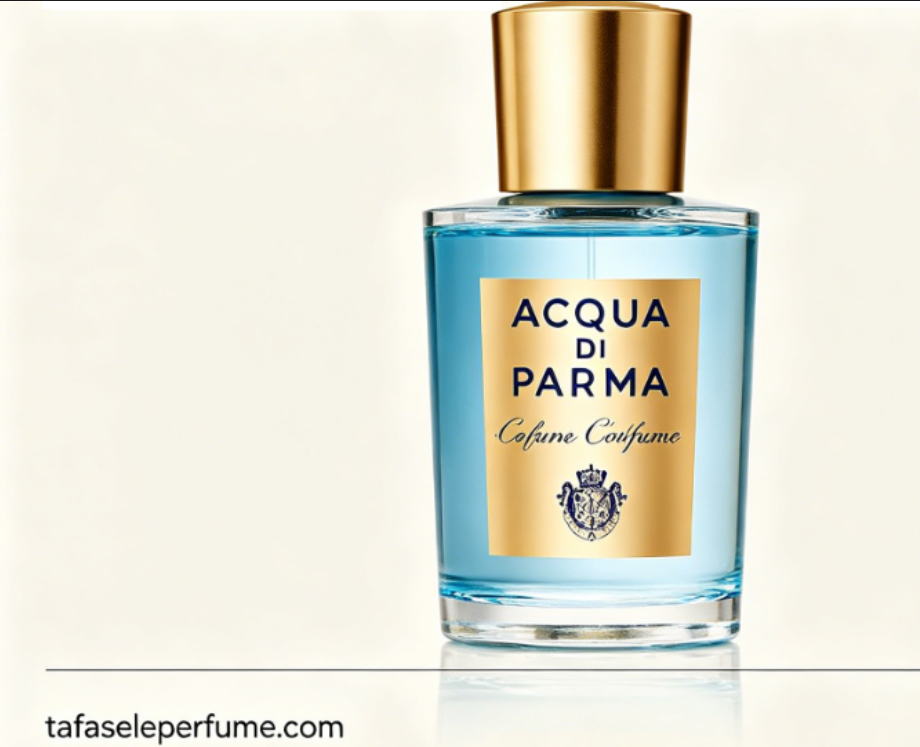
- Is Acqua di Parma Colonia for Men or Women? A Timeless Citrus Chypre That Defines Elegance: Short answer: Acqua di Parma Colonia is officially unisex, though its classic citrus-woody profile leans traditionally masculine. Since 1916, it has been worn by both men and women who appreciate refined, old-world Italian craftsmanship. Its bright bergamot, lavender, and rosemary heart, anchored by vetiver and patchouli, makes it one of the most gender‑fluid perfumes ever created.
The story behind the bottle – Acqua di Parma Colonia was born in 1916 in a small laboratory in Parma, Italy. It was originally created as a “colon” or Eau de Cologne, but its complexity and longevity set it apart from the simple citrus waters of the time. Over a century later, it remains the hallmark of Italian elegance. The question “is it for men or women?” has followed it for decades, because its composition avoids the sweet floral or overly woody extremes that define many modern gendered scents. Instead, it presents a luminous opening of Sicilian bergamot, lemon, and orange, followed by a herbaceous lavender and rosemary heart, and a warm, dry base of sandalwood, vetiver, and patchouli. This structure feels both classic and contemporary – it doesn’t shout “masculine” or “feminine”; it simply whispers “sophistication.” In this guide, we explore its history, olfactory profile, wearing experience, and why it has become a favourite among perfume lovers of all genders.
Jump to section
The 1916 heritage – born unisex Notes breakdown – what makes it neutral Men who wear Colonia – a classic choice Women who wear Colonia – fresh & empowering The sillage & longevity – genderless performance Colonia vs. modern masculine colognes Colonia vs. feminine floral fragrances Layering tips – adapt it to your style Which seasons suit Colonia best? The blotters and the skin chemistry effect Celebrity fans – from Audrey Hepburn to Cary Grant Final verdict – a fragrance beyond gender1. The 1916 heritage – born unisex
Acqua di Parma Colonia was launched in an era when perfumery was less rigidly gendered. The original formula was created for the Italian aristocracy, both male and female, who appreciated a sophisticated, fresh scent. Its name “Colonia” refers to the Eau de Cologne tradition, but its concentration and complexity made it a luxury item. Historical advertisements often depicted elegant men and women alongside the bottle, reinforcing its universal appeal. The house never marketed it exclusively to one gender – a revolutionary choice that continues to define its identity. Today, the brand explicitly lists Colonia as a unisex fragrance, though many still associate it with masculine grooming due to its sharp citrus and aromatic herbs.
2. Notes breakdown – what makes it neutral
The genius of Colonia lies in its balance. Top notes: Sicilian bergamot, sweet orange, lemon, and a hint of petitgrain – bright, zesty, and invigorating. Heart: lavender, rosemary, and verbena – clean, slightly soapy, and herbaceous, which can lean either way depending on skin chemistry. Base: sandalwood, vetiver, patchouli, and a whisper of amber – woody and earthy, but never heavy. This composition avoids the typical “masculine” leather, tobacco, or oakmoss overdoses, nor does it rely on sugary florals or vanilla. The result is a pure, transparent fragrance that feels like a crisp white shirt – effortlessly chic on anyone. It’s this neutrality that makes it a staple in both men’s and women’s fragrance wardrobes.
3. Men who wear Colonia – a classic choice
For men, Acqua di Parma Colonia is often described as the quintessential “gentleman’s cologne.” Its citrusy opening projects confidence, while the lavender and rosemary evoke a classic barbershop feel. The dry-down is clean and woody, without being overpowering. Many men appreciate its versatility – it works equally well with a tailored suit or a casual linen shirt. Unlike many modern masculine fragrances that rely on heavy ambroxan or oud, Colonia offers a refined, understated presence. It’s the scent of someone who doesn’t need to shout. In fragrance forums, it’s frequently recommended as a “safe but exceptional” choice for men who want to stand out without being loud.
4. Women who wear Colonia – fresh & empowering
On women, Colonia takes on a luminous, almost solar quality. The citrus notes pop with a radiant freshness, and the herbal heart adds an intriguing complexity that contrasts beautifully with floral or gourmand scents. Many women enjoy Colonia as a spring/summer fragrance that feels both energising and elegant. It layers wonderfully with white florals or a touch of rose, but it also stands alone as a statement of individuality. Contemporary perfumers often note that Colonia’s structure mimics the “clean girl” aesthetic – minimal, sophisticated, and timeless. It’s not a “masculine” scent on a woman; it’s an empowering choice that defies expectations.
5. The sillage & longevity – genderless performance
One of the most common questions about Colonia is its performance. As an Eau de Cologne, it has a lighter concentration, but the original Acqua di Parma Colonia is known for impressive longevity – typically 4–6 hours with moderate sillage. The scent evolves differently on each skin type; on warmer skin, the citrus and lavender become more vibrant, while on cooler skin, the woody base emerges more prominently. This variability makes it a personal fragrance rather than a generic one. Whether worn by a man or a woman, the performance is consistent: it never becomes cloying or overwhelming, making it perfect for office wear, lunch dates, or evening gatherings.
6. Colonia vs. modern masculine colognes
Modern masculine fragrances often rely on aggressive notes like black pepper, cumin, or heavy woods. Colonia takes a different path – it’s bright, clean, and transparent. While many men’s colognes aim for a “sporty” or “intense” vibe, Colonia prefers subtlety. It doesn’t compete with the latest releases; it coexists as a timeless alternative. In fact, many men who own a collection of heavy niche fragrances still keep Colonia as their “easy reach” – a scent that feels like a second skin. It’s the fragrance equivalent of a well-tailored blazer: never dated, always appropriate.
7. Colonia vs. feminine floral fragrances
When compared to feminine floral perfumes, Colonia stands out as a refreshing departure. Instead of peonies, rose, or jasmine, it offers a herbaceous and citrusy melody. Women who typically wear sweet, powdery, or fruity florals often find Colonia to be a palate cleanser – a scent that feels more “modern” and less predictable. It’s also a great choice for women who prefer fragrances that are not overtly “feminine” but still elegant. The absence of heavy florals makes it incredibly wearable in high heat or humid climates, where floral scents can sometimes become cloying.
8. Layering tips – adapt it to your style
One of the joys of a unisex fragrance is its layering potential. For a warmer, more sensual effect, men can layer Colonia with a woody or amber base, such as a vetiver or sandalwood oil. Women might add a touch of rose or neroli to soften the herbal edges. The brand itself offers a whole Colonia collection (Assoluta, Essenza, etc.) that can be combined. A popular trick is to spray Colonia on pulse points and then apply a complementary scented lotion on top. This not only extends longevity but also allows you to customise the scent to your personal preference, making it truly yours regardless of gender.
9. Which seasons suit Colonia best?
Colonia is often described as a spring and summer fragrance, thanks to its vibrant citrus opening. However, its woody base gives it enough depth to transition into autumn, especially on cooler days. In winter, some may find it a bit light, but it works beautifully as an indoor scent – fresh and uplifting during gloomy months. Its versatility across seasons is another reason it transcends gender boundaries; it’s a scent that adapts to the weather and the wearer’s mood, rather than being confined to a specific season or gender stereotype.
10. The blotters and the skin chemistry effect
Fragrance enthusiasts know that the same perfume can smell completely different on two people. Colonia is a prime example of this. On someone with warmer, oilier skin, the citrus notes burst forth with radiant intensity. On drier skin, the lavender and woody base become more prominent. This skin chemistry interplay means that Colonia might smell more “masculine” on one individual and more “feminine” on another – not because of the perfume itself, but because of the unique interaction with the wearer’s body chemistry. It’s a reminder that gender is only one factor, and often the least important one.
11. Celebrity fans – from Audrey Hepburn to Cary Grant
Acqua di Parma Colonia has been the choice of icons from both sides of the gender spectrum. Legendary actor Cary Grant was known to wear it, epitomising the suave, classic Hollywood gentleman. On the other hand, Audrey Hepburn – a style icon who often challenged fashion norms – was also a fan of the fragrance. More recent celebrities like Kate Hudson and David Beckham have mentioned their appreciation for Colonia. This eclectic mix of fans underscores its universal appeal: it doesn’t matter if you’re a man or a woman; if you appreciate quality and heritage, Colonia resonates.
12. Final verdict – a fragrance beyond gender
So, is Acqua di Parma Colonia for men or women? The most accurate answer is: it’s for anyone who loves a beautifully crafted, citrus‑aromatic fragrance that stands the test of time. Its history, composition, and performance all point to a unisex identity that transcends the binary. The question itself is almost a relic of an older era; today, we celebrate fragrances that allow us to express ourselves without boundaries. Colonia is not just a scent – it’s an invitation to appreciate elegance in its purest form. Whether you’re a man, a woman, or non‑binary, this Italian masterpiece will welcome you with open arms.


