- How to Extract Essential Oils at Home: A Complete DIY Guide: Discover the fascinating world of essential oils and learn how to extract them at home with simple methods and safe techniques.
Essential oils are concentrated extracts from plants that carry the fragrance, flavor, and beneficial properties of the original material. Extracting them at home can seem daunting, but with the right guidance, equipment, and patience, you can enjoy homemade oils for aromatherapy, skincare, or even cooking. In this guide, we’ll cover different extraction methods, safety tips, and practical advice for creating your own natural oils.
Learn the classic method used by professionals to extract essential oils from herbs and flowers.
Perfect for citrus fruits, this method preserves delicate aromas and nutrients.
Explore how solvents can be used to extract essential oils when distillation isn’t suitable.
1. Steam Distillation Method
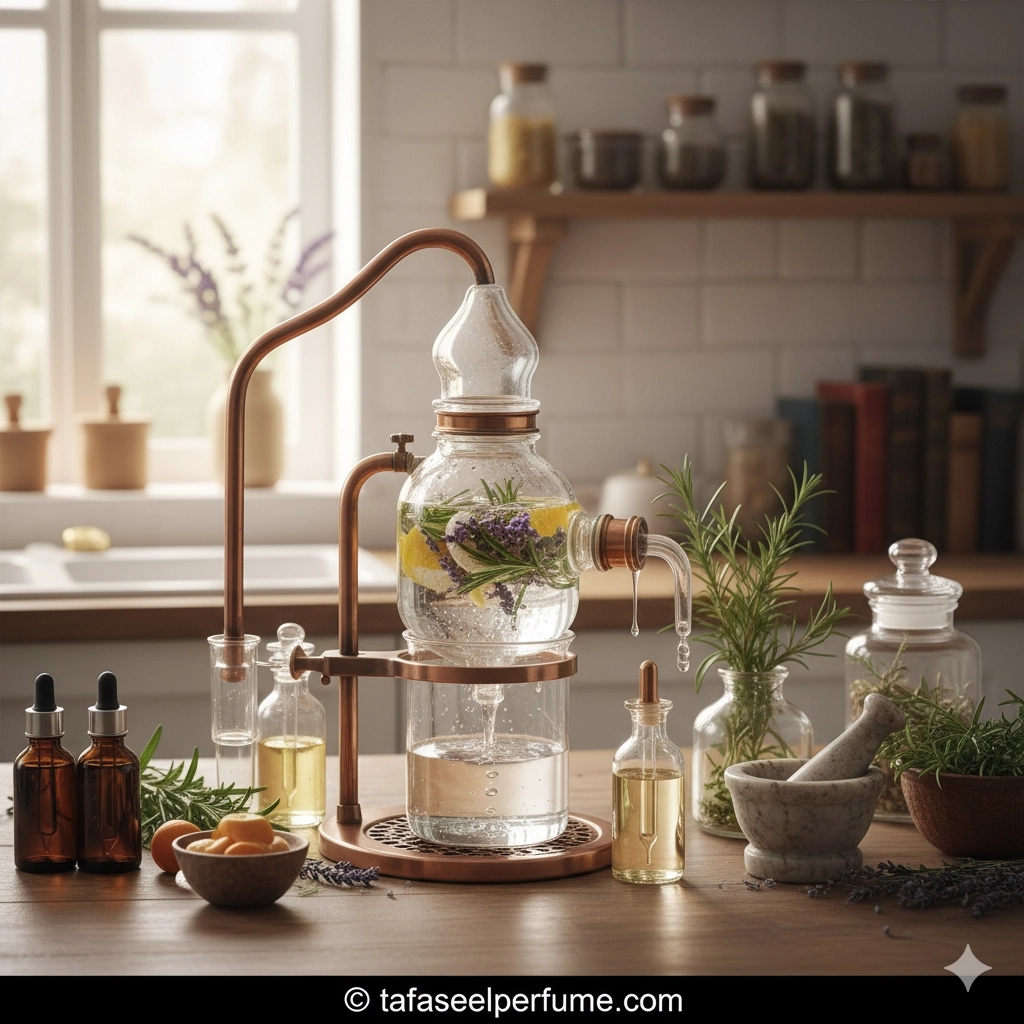
Steam distillation is one of the oldest and most reliable methods for extracting essential oils. It involves placing plant material in a distillation chamber and passing steam through it. The heat opens up plant cells, releasing the oils, which then evaporate with the steam. This vapor is cooled and condensed into a liquid, separating the essential oil from the water. Common plants for steam distillation include lavender, peppermint, and rosemary. For beginners, a simple home distiller or even a pressure cooker can be adapted for small-scale extractions. Skin Care & Tools can benefit from these homemade oils in DIY serums and lotions.
2. Cold Pressing Technique
The cold pressing method is ideal for citrus fruits such as lemons, oranges, and limes. It involves mechanically pressing the peel to release oils, without heat, which helps retain the fresh aroma and active compounds. To do this at home, zest the fruit carefully, and use a manual or electric press. After pressing, let the oil settle and separate from juice and pulp. This method produces oils that are perfect for culinary uses, natural cleaning solutions, and homemade perfumes like Unisex Perfume.
3. Solvent Extraction Basics
Solvent extraction uses food-safe solvents like ethanol to pull oils from delicate flowers or plants that don’t release oils easily via heat. The process involves soaking plant material in the solvent, then evaporating the solvent to leave behind a concentrated oil. While slightly more advanced, it’s a valuable method for flowers like jasmine or tuberose. Using these oils, you can enhance DIY aromatherapy products or Body Art scented designs at home.
FAQ About Extracting Essential Oils at Home
Q1: Can I use any plant to make essential oils?
A1: Most aromatic plants like herbs, flowers, and citrus peels work well, but some may require specialized extraction methods.
Q2: Is it safe to extract essential oils at home?
A2: Yes, if you follow proper safety precautions, especially when using heat or solvents. Always work in a well-ventilated area.
Q3: How long do homemade essential oils last?
A3: Properly stored in dark glass bottles, away from heat and light, homemade essential oils can last from 6 months to 2 years, depending on the plant source.


