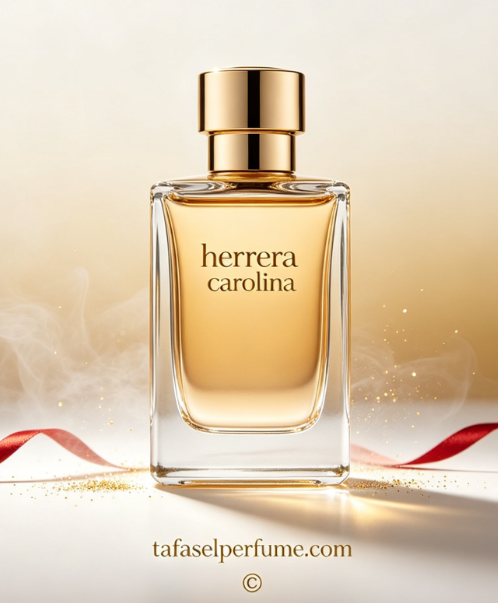
- Herrera Carolina · The soul of modern glamour: Herrera Carolina is more than a name — it is a declaration. A fusion of Venezuelan fire and New York polish, the house crafts fragrances that speak to the woman who owns her narrative. From the iconic 212 to the opulent Good Girl, each scent is a chapter of confidence.
Carolina Herrera — the brand, the woman, the legend. Since its inception in 1980, the New York-based fashion house has redefined elegance with a contemporary edge. In the world of perfumery, Herrera Carolina stands as a beacon of duality: fresh yet sensual, classic yet disruptive. The olfactory portfolio is a tapestry woven with white florals, woody depth, and unexpected gourmand twists. Whether it’s the urban energy of 212 or the stiletto-heeled charm of Good Girl, every bottle encapsulates a story of modern femininity. This article unpacks the nuances, the icons, and the legacy of Carolina Herrera’s fragrance empire — an empire that continues to captivate millions across the globe.
✦ Contents
1. The woman behind the name 2. 212: the scent of a city 3. Good Girl – the duality of light & dark 4. Floral footprints: the signature white bouquet 5. Woody & spicy: the masculine counterpoint 6. The bottle as art: sculptural storytelling 7. Herrera’s global resonance 8. The future of Carolina Herrera perfume1. The woman behind the name
Carolina Herrera was born in Caracas, Venezuela, into a world of refinement. Her grandmother taught her the art of scent layering — a lesson that would echo through decades. In 1980, she presented her first ready-to-wear collection in New York, and within years, her name became synonymous with polished sophistication. Her foray into fragrance began with the eponymous Carolina Herrera perfume in 1988, a lush floral that captured the essence of the confident woman. Today, the brand remains family-owned, with creative direction carried by her daughter, Carolina Adriana Herrera. This continuity infuses every fragrance with a personal narrative, blending Latin warmth with Manhattan's relentless pulse.
Herrera’s design philosophy — clean lines, bold contrasts, and timeless femininity — translates flawlessly into the olfactory realm. She often says that a perfume should be a woman’s invisible accessory, one that speaks before she does. The house of Herrera does not follow trends; it sets them, always staying true to the visionary who started it all.
2. 212: the scent of a city
Launched in 1997, 212 was a revolution. Named after New York’s area code, it captured the electric, fast-paced energy of Manhattan. The fragrance was fresh, green, and slightly metallic — a mix of bergamot, orange blossom, and gardenia, with a sensual base of sandalwood and musk. 212 wasn't just a perfume; it was an urban anthem, a bottle that looked like a skyscraper with a silver cap. It resonated with a generation that saw the city as a playground.
Over the years, 212 expanded into a collection: 212 VIP, 212 MEN, and limited editions that reinterpreted the original DNA. The 212 line remains one of the best-selling franchises globally, a testament to Carolina Herrera’s ability to bottle a feeling — the exhilaration of a New York night, the promise of a sunrise over the Hudson.
3. Good Girl – the duality of light & dark
In 2016, the world met Good Girl. The fragrance, housed in a sculptural stiletto heel bottle, became an instant icon. Its composition — almond, coffee, and tuberose, with a base of tonka bean and cacao — offered a gourmand yet floral paradox. The campaign, starring Karlie Kloss, played with the concept of “good” and “bad,” encouraging women to embrace all facets of their personality.
Good Girl shattered sales records and became a cultural phenomenon. It was daring, sweet, and addictive. The flankers — Good Girl Velvet Fatale, Good Girl Légère, and Good Girl Blush — each explore a different shade of the same bold spirit. The shoe-shaped bottle has become a collector’s item, and the scent itself is a signature for those who walk the line between innocence and seduction.
4. Floral footprints: the signature white bouquet
Carolina Herrera’s floral language is unmistakable. The original 1988 fragrance was a monumental white floral — jasmine, tuberose, and orange blossom, wrapped in warm amber. This structure appears in many of her creations, including Floral Escapade and L'eau de Parfum. The house treats white flowers not as a note, but as a canvas, layering them with unexpected elements like green tea, pepper, or woods.
The artistry lies in balance. Herrera’s florals are never cloying; they possess a cool, almost translucent quality. They evoke the crispness of a white shirt or the shimmer of an evening gown. For the brand, flowers are not mere decoration — they are architecture, building a scent that is both airy and substantial, delicate yet powerful.
5. Woody & spicy: the masculine counterpoint
While Carolina Herrera is celebrated for feminine scents, her masculine offerings are equally compelling. 212 MEN introduced a woody-spicy profile with notes of lavender, grapefruit, and ginger, supported by guaiac wood and cedar. It captured the modern man — confident, metropolitan, and understated. The CH Men line, launched later, offered a more intense, leathery interpretation with violet leaf and suede.
These fragrances are not secondary; they are a deliberate statement of masculinity that complements the feminine line. They share the same design ethos: clean lines, bold contrasts, and a refusal to be predictable. For Herrera, gender is a spectrum, and her scents invite exploration, making them favorites among couples who layer and share.
6. The bottle as art: sculptural storytelling
Carolina Herrera’s bottles are objects of desire. From the clean, modern flacon of the original perfume to the legendary stiletto of Good Girl, each bottle tells a story. The 212 bottle mimics a skyscraper, a nod to its urban inspiration. The CH line features a faceted, jewel-like cap that feels luxurious in hand. These designs are not just packaging; they are part of the ritual, an extension of the fragrance narrative.
The brand collaborates with renowned designers to ensure each bottle is a masterpiece of proportion and material. The weight, the glass, the metallic details — all contribute to an experience that begins before the first spritz. This attention to the tactile and visual enhances the emotional connection, making Herrera perfumes not just scents, but collectible art.
7. Herrera’s global resonance
From Manhattan to Milan, from Tokyo to Dubai, Carolina Herrera perfumes are a global language of elegance. The brand's ability to adapt to different cultural contexts while maintaining a consistent identity is extraordinary. In Europe, the florals are celebrated for their sophistication; in the Middle East, the opulent gourmands are adored; in Asia, the fresh, green accords resonate deeply.
This universal appeal is no accident. Herrera’s perfumes are crafted with high-quality raw materials and a deep understanding of global tastes. The brand’s presence in over 120 countries is a testament to its enduring relevance. Collaborations with influencers, celebrities, and digital campaigns have further amplified its reach, while maintaining the aura of exclusivity that the house cultivates.
8. The future of Carolina Herrera perfume
As the fragrance industry evolves toward sustainability and personalization, Carolina Herrera is at the forefront. The brand is exploring refillable bottles, responsibly sourced ingredients, and digital experiences that enhance the consumer journey. New launches continue to push boundaries — Bad Boy, the masculine counterpart to Good Girl, introduced a lightning-bolt bottle and a spicy-woody gourmand profile.
With creative director Wes Gordon now at the helm of fashion, the perfume division continues to draw from the brand's rich heritage while embracing modernity. The future promises bold collaborations, unexpected olfactive families, and a deeper commitment to craftsmanship. Carolina Herrera’s fragrances will always be a mirror of the times — reflecting, challenging, and celebrating the multifaceted woman (and man) of today.


