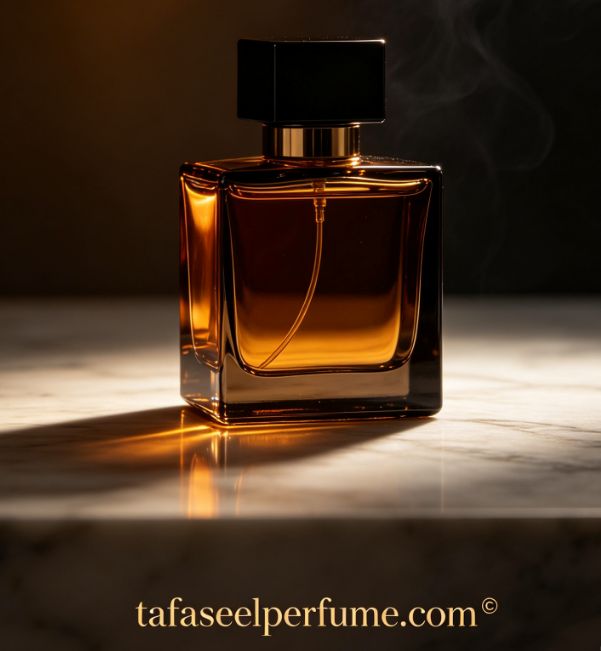
- Fragrance · the silent signature: Short brief — Fragrance is the invisible accessory that speaks before you do. A single spritz can shift a mood, recall a forgotten summer, or carve a presence into a room. It is personal, poetic, and powerfully human.
Long brief — Fragrance is not merely a blend of oils and alcohols; it is an intimate language of emotion, identity, and memory. From the crisp zest of bergamot at dawn to the smoky whisper of oud at dusk, each composition carries a narrative. Perfumers act as olfactory architects, balancing top, heart, and base notes to create a journey that unfolds on the skin. Whether you lean toward floral bouquets, woody depths, or fresh aquatic breezes, your choice of scent becomes a subtle dialogue with the world. It is art that you wear, a mood that lingers, and a signature that remains long after you have left the room.
· contents ·
1. Olfactory identity 2. Notes & architecture 3. Skin chemistry 4. Seasons & scent 5. Niche vs. designer 6. Longevity & sillage 7. Memory & emotion 8. Layering ritual1. Olfactory identity
Your fragrance is your olfactory thumbprint. It is how you announce yourself without uttering a single word. Just as a tailored suit or a favorite pair of boots becomes part of your visual identity, a signature scent integrates into your personal aura. Olfactory identity goes beyond mere preference; it is a deeply rooted connection between your temperament, memories, and aspirations. Some gravitate toward crisp, green scents that evoke fresh-cut grass and morning dew, while others seek the warm embrace of vanilla, amber, or incense. This identity evolves over time, mirroring life’s chapters, yet the most iconic scents often feel like an old friend — instantly recognizable and comforting. Cultivating an olfactory identity means exploring, experimenting, and ultimately trusting your own nose. It is a quiet declaration of selfhood, one that others perceive on a primal level, often before they even register your face.
In the world of fragrance, there is no “right” or “wrong” — only what resonates. Perfumers often say that a great perfume is the one that makes you feel more yourself. That is the essence of olfactory identity: the scent that aligns with your inner rhythm and projects it outward with authenticity.
2. Notes & architecture
Every fragrance is built like a musical composition, with top, middle (heart), and base notes playing in harmony. The top notes are the opening act — bright, volatile, and fleeting. Citrus, light fruits, and fresh herbs often dominate here, grabbing attention within the first few seconds. As they evaporate, the heart notes emerge, forming the core personality of the scent: rose, jasmine, spice, or lavender, for example. Finally, the base notes provide depth and staying power — woods, resins, musk, or vanilla — anchoring the fragrance and ensuring it lingers on the skin for hours. This architecture is deliberate; perfumers carefully balance the evaporation rates of each ingredient to create a seamless transition.
Understanding this pyramid helps you choose fragrances that not only smell beautiful but also evolve in interesting ways. A perfume that opens with a sharp citrus might soften into a floral heart and settle into a creamy sandalwood base, offering a full sensory journey. The art lies in the contrast and complement between these layers, turning a simple spritz into a time-released story.
3. Skin chemistry
One of the most fascinating aspects of fragrance is its interaction with your skin’s unique chemistry. pH balance, temperature, moisture levels, and even diet can alter how a scent develops. A perfume that smells divine on a paper strip might take on a completely different character once it meets your pulse points. Some people amplify sweet or powdery notes, while others bring out sharp, metallic undertones. This is why testing on skin is essential — and why the same fragrance can smell remarkably different on two individuals.
Skin chemistry also affects longevity; oily skin tends to hold fragrance longer, while dry skin may require a moisturizing base or heavier application. The magic of this interaction makes each wearing a personal performance. Rather than fighting your skin’s tendencies, embrace them — seek out fragrances that harmonize with your natural chemistry, and you will discover scents that feel uniquely yours, almost as if they were crafted just for you.
4. Seasons & scent
Just as you swap your wardrobe with the changing seasons, your fragrance choices can shift to match the weather. Light, fresh, and citrus-forward scents thrive in spring and summer — they feel airy, energetic, and uplifting under the sun. Think of aquatic notes, green tea, bergamot, or neroli. In cooler months, however, heavier, richer compositions come into their own: amber, leather, spices, and oud offer warmth and comfort like a cashmere sweater. The colder air also holds fragrance differently, allowing deeper notes to project without becoming overwhelming.
Many fragrance enthusiasts maintain a seasonal rotation, using the weather as a cue for their olfactory mood. But there are no strict rules; a woody gourmand can be just as captivating on a crisp autumn evening as it is on a rainy spring afternoon. The key is to listen to your intuition and let the temperature guide your choice — sometimes a fragrant juxtaposition is exactly what the day calls for.
5. Niche vs. designer
The fragrance world is broadly split into two camps: designer and niche. Designer fragrances come from fashion houses (like Chanel, Dior, or Gucci) and are often crafted for broad appeal. They prioritize mass-market likability, with familiar, comforting structures and strong marketing campaigns. Niche perfumery, on the other hand, is the realm of artisanal creators who prioritize olfactory originality over commercial viability. These scents can be challenging, unconventional, and deeply personal — think of smoky incense, raw oud, or salty marine notes that polarize as much as they captivate.
Neither is inherently superior; it is about what speaks to you. Designer scents are reliable companions for daily wear, while niche offerings often reward curiosity with unexpected beauty. Many collectors enjoy both, finding that designer fragrances ground them in the familiar, while niche bottles invite exploration and self-expression. The growing appreciation for niche has also pushed designers to be bolder, resulting in a rich, diverse landscape where there is truly something for every nose.
6. Longevity & sillage
Two words that often dominate fragrance conversations: longevity (how long a scent lasts on the skin) and sillage (the trail it leaves behind). Both are influenced by the concentration of perfume oils — parfum has the highest, followed by eau de parfum, eau de toilette, and eau de cologne. But concentration isn't the only factor; the quality of ingredients, the fixatives used, and even the application method play a role. Applying fragrance to pulse points (wrists, neck, behind the ears) and on moisturized skin can significantly boost both longevity and sillage.
Some people prefer intimate scents that stay close to the skin, while others love a bold sillage that announces their arrival. There is no right or wrong — only intention. A powerhouse oriental with heavy base notes will naturally project further than a delicate citrus cologne. Understanding your preferences helps you choose accordingly, and when in doubt, spray and observe: a fragrance that makes you smile hours later is always a keeper.
7. Memory & emotion
Fragrance is the most powerful trigger of memory and emotion, thanks to the direct link between the olfactory bulb and the limbic system — the brain’s emotional and memory center. A single whiff of a familiar scent can transport you back to your grandmother’s garden, a first date, or a summer road trip. This is why perfumers often speak of “olfactory nostalgia” — the ability of a fragrance to evoke a feeling or a moment without any visual or auditory cue.
Beyond nostalgia, fragrance also shapes our present emotions. Lavender calms, citrus uplifts, vanilla comforts, and sandalwood grounds. Many people use scent intentionally to shift their mindset — a spritz of something bright before a meeting, or a deep, resinous scent before bed. This emotional dimension makes fragrance far more than a cosmetic choice; it is a tool for well-being, a companion through the day, and a keeper of memories that words cannot fully capture.
8. Layering ritual
Layering is the art of combining different fragrances to create a custom scent profile. It can be as simple as applying a scented body lotion before your perfume, or as adventurous as mixing two eau de parfums on your pulse points. The goal is to craft a unique blend that no one else wears — a true signature. Successful layering relies on complementary notes; for instance, pairing a floral with a woody base, or a citrus with a spicy heart. The key is to start with the heavier base scent and layer lighter ones on top.
Many fragrance houses offer collections designed for layering, but you can also experiment with your own collection. The ritual itself — the act of choosing, combining, and applying — becomes a moment of mindfulness. It invites you to play, to discover unexpected harmonies, and to deepen your relationship with scent. With a little practice, you may find that your layered creation becomes your most cherished fragrance, one that tells a story only you can compose.
Frequently Asked Questions
Eau de parfum (EDP) contains a higher concentration of fragrance oils (typically 15-20%) than eau de toilette (EDT, ~5-15%). EDP generally lasts longer and projects more, while EDT is lighter and often more suitable for daytime or warmer weather.
Keep your perfume away from direct sunlight, heat, and humidity. A cool, dark place — like a drawer or a closet — is ideal. Fluctuating temperatures and light can break down the delicate molecules, altering the scent over time.
Skin chemistry plays a huge role. Your skin’s pH, temperature, moisture, and even your diet interact with the fragrance’s ingredients. The same perfume can highlight different notes on different people — that’s part of its charm.
Absolutely. Fragrance has no gender — the classifications are purely marketing. Wear whatever makes you feel confident and happy. Many modern scents are already unisex, and the most interesting perfumes often blur traditional lines.
It depends on the concentration and your environment. Start with 1-2 sprays on pulse points (neck, wrists) and adjust from there. In enclosed spaces, less is more; outdoors, you can be a bit bolder. The goal is to leave a subtle trail, not overwhelm.
Sillage (pronounced “see-yazh”) refers to the trail of scent left behind as you move. A fragrance with strong sillage projects well and lingers in the air, while a low-sillage scent stays closer to the skin and is more intimate.


