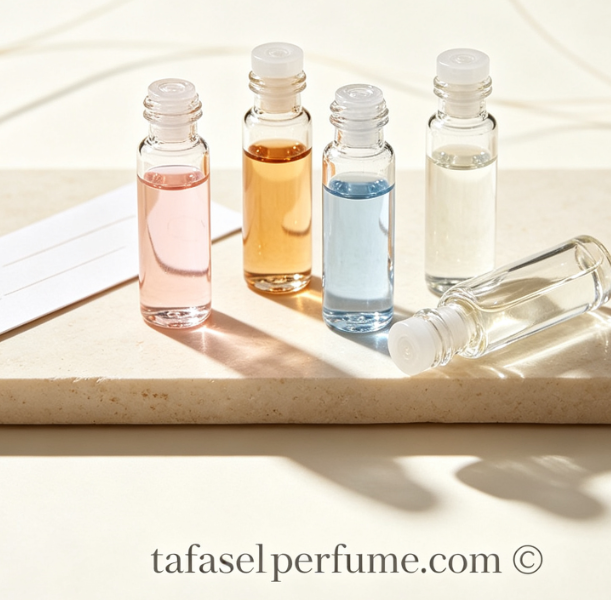
- Fragrance Sample · The Scented Compass: Fragrance sample — the silent prelude to a signature. A single drop can rewrite your olfactory story, turning curiosity into devotion. This is the art of sampling, where every vial holds a universe.
Beyond the bottle: why fragrance samples are the modern perfumer’s secret
A fragrance sample is not a mere tester — it’s an invitation. It allows you to wear a scent through its full evolution: from the bright, volatile top notes to the deep, lingering base. Sampling removes the guesswork, saves regret, and transforms how you discover new perfumes. Whether you are chasing a cult classic or a niche rarity, the sample is your truthful companion. In a world of endless launches, the sample is the filter that separates hype from harmony. It’s the only way to know if a perfume truly resonates with your skin, your mood, and your memories. Embrace the sample — it’s the smallest investment with the richest return.
explore the sample universe
1. The alchemy of discovery · 2. Why your skin changes the story · 3. Layering: the sampler’s playground · 4. From sample to signature · 5. Niche vs. designer: sample both · 6. The ritual of sampling · 7. Sustainable sampling1. The alchemy of discovery
Fragrance sample is the philosopher’s stone of modern perfumery. It transforms the abstract notes on a paper strip into a living, breathing experience on your skin. Sampling is not a shortcut — it’s a deep dive. Each sample tells a story of raw materials, of the perfumer’s intention, of the season it was born in. When you sample, you engage in a dialogue with the scent. You notice how the citrus sparkles, how the rose unfolds, how the oud anchors. This is alchemy: the sample is the crucible, and your skin is the flame. The more you sample, the sharper your olfactory vocabulary becomes. You start to recognise the hand of a master perfumer, the signature of a house, the nuance of a region. Sampling is the ultimate act of olfactory literacy.
Arte Bellissimo reminds us that beauty breathes through samples — each spray a poem.
2. Why your skin changes the story
No two people wear the same fragrance. Your skin’s pH, temperature, and even your diet can alter how a perfume develops. A fragrance sample is the only honest test. What smells like fresh bergamot on your friend might turn into a powdery iris on you. The sample reveals the true nature of the perfume — its tenacity, its sillage, its heart. This is why perfumers insist on skin testing. The paper strip is a preview; the skin is the final cut. Sampling allows you to witness the transformation: the bright opening, the tender heart, the enduring base. It’s a journey that takes hours, not seconds. And it’s this patience that rewards you with a scent that feels like it was made for you.
Discover how Ralph’s Club EDT 2024 evolves on different skin — a testament to the power of sampling.
3. Layering: the sampler’s playground
Fragrance sample vials are the building blocks of bespoke perfumery. Layering — combining two or more scents — is an art that sampling makes accessible. You can experiment with contrasting families: a fresh aquatic with a smoky vetiver, a sweet gourmand with a dry cedar. The sample gives you freedom without commitment. You can try a dozen combinations before finding your perfect accord. Layering also allows you to adjust the intensity or mood of a fragrance. Add a drop of rose to brighten a heavy patchouli, or a touch of vanilla to soften a sharp citrus. The sample is your palette, and your skin is the canvas. This playful process often leads to the most personal and memorable scents.
Explore the art of layering with Bond No.9 Bleecker Street — a green heart that pairs beautifully with many.
4. From sample to signature
Every signature scent starts as a single fragrance sample. The sample is the first date, the initial spark, the quiet moment of recognition. It’s where you fall in love with a scent before committing to a full bottle. The sample allows you to live with the fragrance for days, weeks, even months. You wear it in different weather, different moods, different occasions. You notice how it performs at work, at dinner, at a wedding. By the time you finish the sample, you know exactly how the scent makes you feel. That is the moment a sample becomes a signature. It’s not about the size of the bottle; it’s about the size of the connection.
Many find their signature through Stetson Fresh Cologne — a rugged breeze that refines modern masculinity.
5. Niche vs. designer: sample both
The debate between niche and designer fragrances is settled by the fragrance sample. Sampling removes prejudice. It lets you judge a scent on its own merits, not its price or prestige. Niche perfumes often use rare materials and bold compositions; designer scents are crafted for mass appeal and wearability. But both can be extraordinary. The sample allows you to explore the entire spectrum — from the avant-garde to the familiar. You might discover that a niche oud speaks to your soul, or that a designer floral is your everyday comfort. Sampling both worlds broadens your horizon and deepens your appreciation. It also saves you from the trap of blind buying based on hype.
Try the bold Lacoste in Red — a floral-woody signature that rewrites sporty elegance.
6. The ritual of sampling
Sampling is a ritual, not a rush. It begins with anticipation — the unboxing of the vial, the first sniff from the cap, the gentle spray on the wrist. The fragrance sample demands attention. You close your eyes and let the scent unfold. You note the top notes that dance and disappear, the heart that lingers, the base that stays. It’s a meditation on smell. The ritual also includes reflection: how does this scent make you feel? What memories does it evoke? Does it align with your current self or your aspirational self? A sample is a mirror. It reflects not just the perfume, but your own taste, your evolution, your story. Embracing this ritual turns sampling into a cherished practice.
Let the ritual begin with Unisex Perfume — a gateway to countless olfactive journeys.
7. Sustainable sampling
In an era of conscious consumption, the fragrance sample is a sustainable choice. Instead of buying a full bottle that might end up unused, samples allow you to curate with intention. They reduce waste, lower your carbon footprint, and encourage mindful buying. Many brands now offer sample sets in recyclable packaging, and some even use refillable vials. Sampling also extends the life of your collection — you can rotate samples to match seasons or moods, keeping your fragrance wardrobe fresh without constant new purchases. Sustainability in perfumery starts with the sample. It’s a small act that makes a big difference, for your wallet and the planet.
Explore sustainable options through Perfume Gift Sets — often curated with sample-sized treasures.
fragrance sample · frequently asked questions
It depends on the concentration (EDT, EDP, parfum) and your skin chemistry. On average, a sample can last 4–8 hours. However, some heavy oriental or oud-based samples can cling to the skin for over 12 hours. Always test on clean, moisturised skin for the truest performance.
Yes! Many retailers and brands offer sample discovery sets, or you can request samples with a purchase. Some niche houses even sell curated sample boxes. Always check the brand’s website or trusted decant sites for a wide selection.
Most samples are safe, but if you have sensitive skin or allergies, perform a patch test on a small area first. Avoid spraying on broken skin, and wait 24 hours to see any reaction. Many natural or hypoallergenic brands also offer sample options.
A sample vial usually contains 1–2 ml — about 15–30 sprays. Start with one spray on your wrist or inner elbow to gauge the strength. For lighter scents, two sprays are fine. Remember, you can always add more, but you can’t take away.
Absolutely! Layering samples is a creative and cost-effective way to craft a bespoke scent. Experiment with different ratios on a tissue or your skin. Keep notes of your favourite combinations — you might invent your next signature.
Keep samples in a cool, dark place away from direct sunlight and heat. A drawer or a box works perfectly. Make sure the caps are tightly closed to prevent evaporation. Properly stored, samples can maintain their character for 1–2 years.
fragrance sample · the art of discovery · 2026


