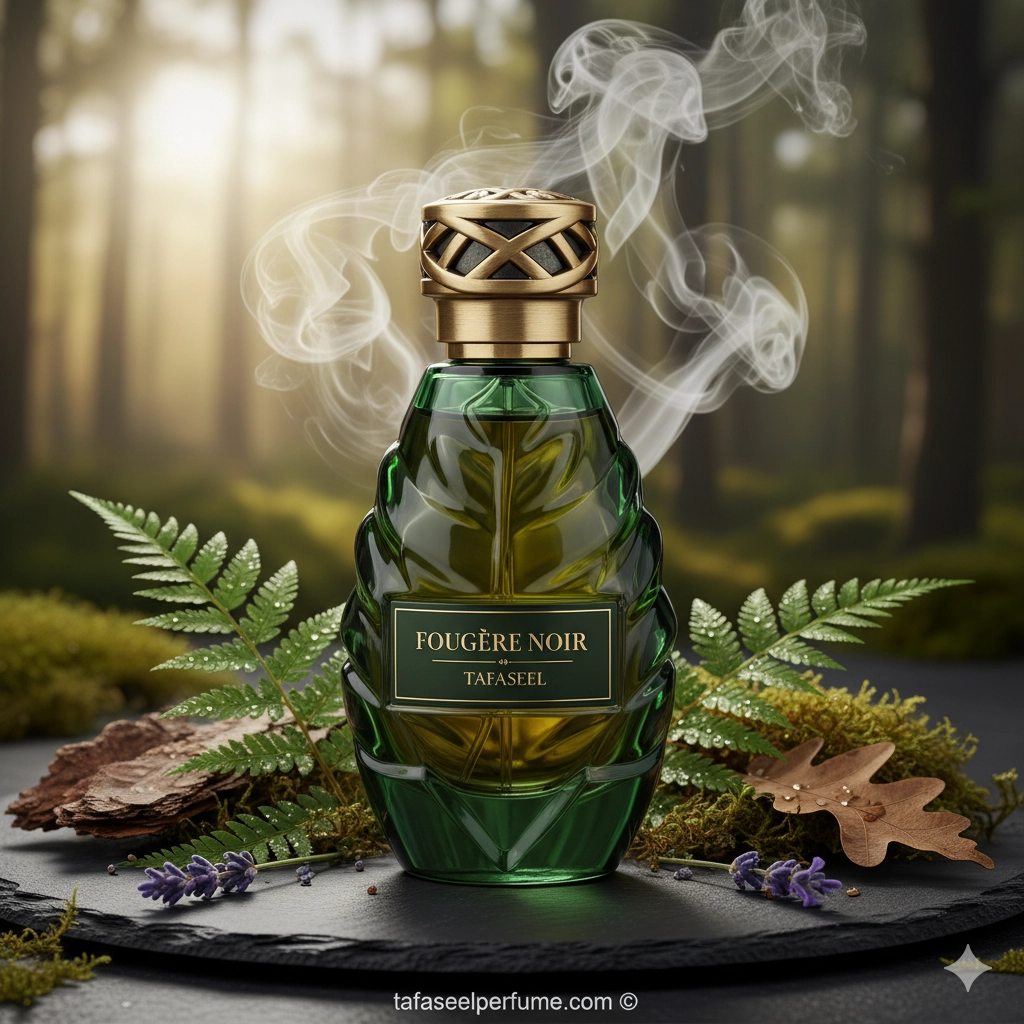
- Fougère Perfume: The Timeless Aromatic Structure That Defines Modern Masculinity: Fougère perfume represents one of the most influential fragrance families in perfumery, blending freshness, herbs, and warmth into a structured and instantly recognizable scent profile.
Rooted in tradition yet endlessly adaptable, fougère perfume has shaped how we perceive elegance, cleanliness, and confidence in fragrance. From classic barbershop accords to contemporary reinterpretations, this olfactory style continues to dominate both men’s and unisex perfume collections worldwide.
At its core, fougère perfume balances aromatic brightness with earthy depth. It is a genre that feels simultaneously nostalgic and modern, offering versatility for daily wear, professional settings, and refined personal expression.
1. What Defines a Fougère Perfume?
A foundational overview of the fougère structure and its signature notes.
2. The Historical Origins of Fougère Fragrances
How a single formula reshaped modern perfumery.
3. Classic Notes Found in Fougère Perfume
Understanding lavender, coumarin, and oakmoss.
4. Modern Interpretations of the Fougère Style
How contemporary brands reinvent fougère perfume.
5. Fougère Perfume vs Aromatic Fragrances
Key differences and overlaps explained.
6. Who Should Wear Fougère Perfume?
Personality, lifestyle, and scent preference alignment.
7. Seasonal Performance of Fougère Perfumes
When fougère scents perform at their best.
8. Choosing the Right Fougère Perfume
Tips for selecting a fougère that suits you.
9. Fougère Perfume in Contemporary Men’s Fragrance
Why it remains a staple in men’s perfume.
1. What Defines a Fougère Perfume?
A fougère perfume is defined by a structured accord built around lavender, coumarin, oakmoss, and aromatic herbs. Despite the name meaning “fern” in French, fougère perfumes do not smell like ferns, but instead evoke freshness, greenery, and clean sophistication.
This balance creates a scent that feels both crisp and grounded, making fougère perfume ideal for daily wear and professional environments. Many iconic masculine scents are rooted in this structure, even when modernized.
2. The Historical Origins of Fougère Fragrances
The fougère category was born in 1882 with Houbigant’s “Fougère Royale,” a revolutionary composition that introduced synthetic coumarin. This innovation allowed perfumers to create long-lasting, structured fragrances unlike anything before.
Since then, fougère perfume has become a cornerstone of Western perfumery, influencing everything from classic colognes to modern luxury releases featured alongside icons like Cologne Gucci Guilty.
3. Classic Notes Found in Fougère Perfume
Traditional fougère perfumes rely on a precise harmony of notes. Lavender provides aromatic brightness, while coumarin adds a soft, hay-like sweetness. Oakmoss introduces earthy depth, anchoring the fragrance.
Supporting notes such as bergamot, geranium, and vetiver enhance complexity. This layered construction is what gives fougère perfume its timeless, barbershop-inspired character.
4. Modern Interpretations of the Fougère Style
Contemporary fougère perfumes often reinterpret the classic structure by adding amber, spices, or fruity nuances. These updates make the style appealing to younger audiences while retaining its aromatic backbone.
Some modern releases blur the lines between fougère and other families, similar to trends seen in aromatic fruity fragrances.
5. Fougère Perfume vs Aromatic Fragrances
While all fougère perfumes are aromatic, not all aromatic fragrances are fougère. The defining difference lies in the coumarin–oakmoss structure unique to fougère compositions.
Aromatic fragrances may focus more on herbs and citrus, whereas fougère perfume follows a recognizable formula that delivers consistency and elegance.
6. Who Should Wear Fougère Perfume?
Fougère perfume suits individuals who value cleanliness, confidence, and understated sophistication. It is especially popular among professionals and those who prefer fragrances that feel polished rather than overpowering.
Its versatility also makes it a strong option within modern masculinity-focused fragrances.
7. Seasonal Performance of Fougère Perfumes
Fougère perfumes perform exceptionally well in spring and autumn, when their fresh yet warm nature balances changing temperatures. Lighter fougères also work well in summer.
In colder months, deeper fougère variations with amber or woody bases provide comforting longevity without heaviness.
8. Choosing the Right Fougère Perfume
When choosing a fougère perfume, consider whether you prefer classic or modern interpretations. Traditional styles emphasize lavender and moss, while modern versions may feel smoother or sweeter.
Sampling is essential, especially if you are exploring beyond familiar profiles like those found in The Game Perfume.
9. Fougère Perfume in Contemporary Men’s Fragrance
Despite evolving trends, fougère perfume remains a backbone of men’s fragrance design. Many bestsellers still rely on fougère-inspired accords, even when marketed as modern or bold.
This enduring relevance proves that fougère perfume is not a relic, but a living structure continually adapted to contemporary taste.
Frequently Asked Questions About Fougère Perfume
What does fougère perfume smell like?
Fougère perfume typically smells fresh, clean, aromatic, and slightly sweet, with herbal and earthy undertones.
Is fougère perfume only for men?
No. While traditionally masculine, many fougère perfumes are now designed as women’s perfume or unisex options.
Is fougère perfume suitable for daily wear?
Yes. Its balanced structure makes fougère perfume ideal for everyday use, including office environments.
Are fougère perfumes long-lasting?
Most fougère perfumes offer moderate to strong longevity due to their structured base notes.
How is fougère different from woody fragrances?
Fougère perfume emphasizes aromatic freshness and coumarin, while woody fragrances focus more heavily on woods like cedar or sandalwood.


