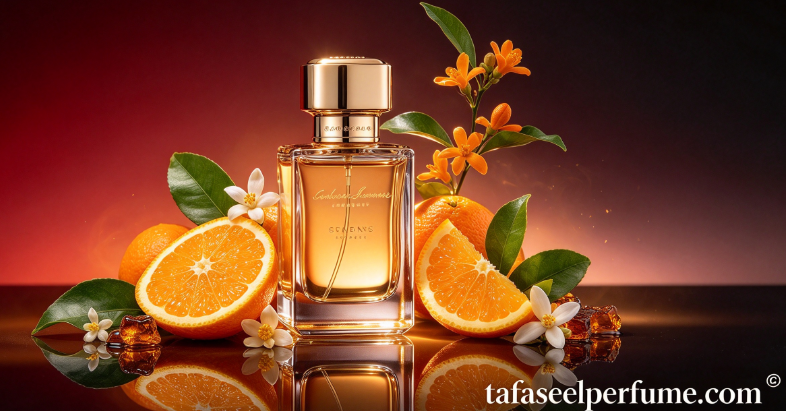
- Eau d'Orange: The Ultimate Guide to the Timeless Citrus Fragrance That Brightens Every Day: Eau d'Orange is more than just a fragrance—it is a burst of sunshine captured in a bottle. Known for its sparkling citrus opening and refreshing elegance, this scent has become a staple for those who love clean, vibrant, and energizing perfumes.
In this guide, we explore everything you need to know about Eau d'Orange, from its origins and notes to how to wear it and why it remains a favorite among fragrance lovers. Whether you are new to citrus scents or a seasoned collector, this article will help you appreciate the magic of this iconic orange blossom and citrus composition.
1. What Is Eau d'Orange? A Citrus Classic Explained
2. The History and Origins of Eau d'Orange
3. Key Notes in Eau d'Orange: From Zesty to Soft
4. How to Wear Eau d'Orange for Maximum Impact
5. Eau d'Orange vs. Other Citrus Fragrances
6. Best Occasions and Seasons for Eau d'Orange
7. Layering Eau d'Orange with Other Scents
1. What Is Eau d'Orange? A Citrus Classic Explained
Eau d'Orange, which translates from French as "orange water," refers to a fragrance family that centers on the bright, juicy, and uplifting scent of orange—often bitter orange, sweet orange, or orange blossom. Unlike heavier orientals or woody perfumes, Eau d'Orange is typically light, fresh, and effervescent, making it a go-to choice for daytime wear, warm weather, and anyone seeking an instant mood lift.
In perfumery, the term can describe a specific note or an entire composition. Traditional Eau d'Orange formulas often blend citrus top notes with soft floral heart notes like neroli or orange blossom, grounded by subtle musk or cedar. This creates a harmonious balance between zesty energy and gentle sophistication. Many popular unisex and women's perfumes, such as those found in our Unisex Perfume collection, draw inspiration from this classic profile.
What sets Eau d'Orange apart is its versatility. It can be worn as a standalone signature scent or used as a refreshing splash after a shower. Its natural vibrancy makes it a favorite for spring and summer, but its comforting warmth also appeals in colder months when you crave a reminder of sunshine. For those exploring elegant Italian fragrances, you might also enjoy our guide to Women's Bvlgari Cologne: The Ultimate Guide to Elegant Italian Fragrance for Her, which shares a similar citrus-infused elegance.
2. The History and Origins of Eau d'Orange
The story of Eau d'Orange begins in the sun-drenched groves of the Mediterranean, where bitter orange trees (Citrus aurantium) have been cultivated for centuries. The Moors introduced these trees to Spain and Sicily, and soon the distillation of orange blossoms and peels became an art. By the 17th century, orange water was a popular ingredient in perfumes, cosmetics, and even culinary delights.
In France, the city of Orange and the region of Provence became synonymous with high-quality orange blossom extracts. The term "Eau d'Orange" was used to describe refreshing toilet waters that captured the essence of these blossoms. Over time, perfumers refined the concept, blending orange with other citruses like bergamot and lemon, and adding florals such as jasmine and rose.
Today, Eau d'Orange is celebrated in modern niche and designer fragrances. Brands like Perfume Brands often release limited editions that pay homage to this heritage. The enduring appeal lies in its simplicity: it evokes purity, joy, and a sense of Mediterranean escape. For a deeper dive into how citrus notes evolved, our article on Sunset Hour Notes: The Golden Hour Guide to Warm, Radiant, and Unforgettable Fragrances explores the emotional resonance of such scents.
3. Key Notes in Eau d'Orange: From Zesty to Soft
A classic Eau d'Orange composition is built on three layers of notes that unfold over time. The top notes are the first impression: a burst of bitter orange, sweet orange, mandarin, or bergamot. These are sharp, juicy, and instantly energizing. Some versions include a hint of grapefruit or lemon for extra sparkle.
The heart notes soften the citrus edge. Orange blossom (neroli) is the star, offering a honeyed, floral, and slightly green aroma. Petitgrain, derived from the leaves and twigs of the bitter orange tree, adds a woody-green facet. Jasmine, rose, or lily of the valley may appear to enhance the floral bouquet. This is where Eau d'Orange reveals its romantic side.
Base notes provide longevity and warmth. Common choices include white musk, cedarwood, amber, or vetiver. These earthy, cozy elements prevent the fragrance from disappearing too quickly and add a subtle sophistication. When you browse Women s Perfume or Men s Perfume categories, look for these note pyramids to identify a true Eau d'Orange. For a related fruity-floral experience, see our guide to Incanto Shine Perfume: The Ultimate Guide to the Sparkling, Fruity-Floral Fragrance That Brightens Every Day.
4. How to Wear Eau d'Orange for Maximum Impact
Wearing Eau d'Orange is an art. Because citrus notes are volatile, they fade faster than heavier ingredients. To make the most of your fragrance, apply it to pulse points—wrists, neck, behind the ears, and inner elbows. You can also spray a cloud in front of you and walk through it for a lighter, all-over effect.
Moisturizing your skin beforehand helps the scent last longer. Use an unscented lotion or a matching body product if available. For an extra boost, layer with a citrus-scented body oil or a Fragrance Gels product. Avoid rubbing your wrists together, as this breaks down the molecules and shortens the scent's life.
Eau d'Orange is perfect for daytime, office, and casual outings. It is also a wonderful choice for post-gym refreshment. For evening events, consider a more intense version or layer it with a warm vanilla or amber base. Our Perfume Gift Sets often include mini sizes that are ideal for touch-ups. If you love discovering new scents, check out Sample Size Fragrances: The Smart Way to Discover Your Signature Scent in 2026.
5. Eau d'Orange vs. Other Citrus Fragrances
How does Eau d'Orange differ from an Eau de Cologne or a simple lemon splash? The key is in the complexity and balance. Traditional Eau de Cologne, like the original 4711, is a lighter, alcohol-heavy blend of citrus and herbs. Eau d'Orange often has a stronger floral heart and a more pronounced base, giving it greater depth and longevity.
Compared to a straight neroli or orange blossom soliflore, Eau d'Orange is typically more rounded, with the citrus peel notes adding a tart, sparkling quality. It sits between a fresh cologne and a floral perfume. For those who enjoy iconic scents, you might compare it to the freshness of Versace Eros 3.4oz: The Ultimate Guide to the Iconic Fragrance for Men, though Eros is more aromatic and woody.
If you are looking for a modern interpretation, explore Best YSL Perfume for Women: The Ultimate Guide to Iconic Scents, Notes & Longevity. Many YSL fragrances incorporate orange blossom in innovative ways. Ultimately, Eau d'Orange remains a distinct category that celebrates the pure, unadulterated joy of citrus.
6. Best Occasions and Seasons for Eau d'Orange
Eau d'Orange shines brightest in spring and summer. Its cooling, refreshing character is perfect for hot days, vacations, and outdoor gatherings. Imagine wearing it on a Mediterranean terrace or a garden party—it feels like a natural extension of the sunshine. It is also an excellent choice for mornings when you need a pick-me-up.
In autumn and winter, Eau d'Orange can feel a bit too light for some, but it can be layered with warmer scents to create a cozy yet bright aura. It is also a great option for transitional weather. For office environments, it is inoffensive and uplifting, making it a safe yet stylish choice. Many people keep a bottle in their desk drawer for a midday refresh.
If you are searching for a fragrance that works year-round, consider a version with a stronger amber or musk base. Our Spa & Fragrance collection features products that evoke a similar clean, invigorating feel. For special occasions, pair Eau d'Orange with a floral or woody perfume to create a unique signature. You can also explore Best Ranked Colognes: The Ultimate Guide to the Top-Rated Fragrances of 2026 for more inspiration.
7. Layering Eau d'Orange with Other Scents
Layering is a fantastic way to personalize your Eau d'Orange experience. Start with a base of unscented lotion, then apply your Eau d'Orange. To add warmth, spritz a vanilla, amber, or sandalwood fragrance on top. This creates a delicious citrus-gourmand blend. For a floral twist, layer with a rose or jasmine soliflore.
You can also combine Eau d'Orange with a woody scent like cedar or vetiver for a more masculine or unisex vibe. Our Unisex Perfume section offers many options that layer beautifully. If you enjoy the freshness of Japanese minimalism, read Japanese Cologne Men: The Ultimate Guide to Refined, Minimalist, and Long-Lasting Fragrances for layering ideas.
Experiment with ratios: start with the heavier scent first, then add Eau d'Orange. Or do the opposite for a lighter effect. Remember that citrus top notes evaporate quickly, so reapply as needed. For more layered inspiration, see Perfume Historia de Amor: The Ultimate Guide to Love Stories Told Through Fragrance.
Frequently Asked Questions About Eau d'Orange
1. What does Eau d'Orange smell like?
Eau d'Orange smells like a burst of fresh citrus—primarily orange, often with hints of bergamot, mandarin, and neroli. It is bright, juicy, and slightly floral, with a clean and uplifting character. The dry-down may include soft musk or cedar for warmth.
2. Is Eau d'Orange suitable for men?
Absolutely. Eau d'Orange is a unisex fragrance profile. Its fresh, citrusy nature appeals to all genders. Many men's colognes feature orange and neroli notes. It is particularly popular in masculine fresh fragrances.
3. How long does Eau d'Orange last?
Typically, Eau d'Orange lasts between 3 to 5 hours on the skin. Citrus top notes fade quickly, but the heart and base notes can linger longer. To extend longevity, apply to moisturized skin and pulse points, and consider layering with a matching body product.
4. Can I wear Eau d'Orange in winter?
Yes, but it may feel lighter than in summer. You can layer it with warmer, spicy, or woody fragrances to make it more suitable for cold weather. It can also be a refreshing contrast to heavy winter scents.
5. What is the difference between Eau d'Orange and orange blossom?
Eau d'Orange typically refers to a fragrance that highlights the citrus peel and juice notes of the orange, often with orange blossom in the heart. Orange blossom (neroli) is a specific floral note derived from the bitter orange tree flowers. Eau d'Orange is a broader composition.
6. Where can I buy Eau d'Orange fragrances?
You can find Eau d'Orange in many perfume shops and online retailers. Explore our Tafaseel Perfume Collection and Perfume Ranking and Top Lists for curated options. Also check Mini Size & Gift Sets for travel-friendly versions.
7. Is Eau d'Orange the same as Eau de Cologne?
No, they are different. Eau de Cologne is a specific type of fragrance with a lower concentration of oils (typically 2-5%) and a citrus-herbal profile. Eau d'Orange can be an Eau de Toilette or Eau de Parfum with a focus on orange notes. The terms are related but not interchangeable.
8. Can I make my own Eau d'Orange?
Yes, you can create a simple version by infusing orange peels in alcohol, but achieving a complex, long-lasting perfume requires professional distillation and blending. It is easier and more rewarding to buy a crafted fragrance from a reputable brand.
9. What are the best occasions to wear Eau d'Orange?
It is ideal for daytime, spring and summer, casual outings, office wear, and post-workout refreshment. It also works well for brunch, garden parties, and vacations. For evening, consider a richer version or layer it.
10. Does Eau d'Orange have any aromatherapy benefits?
Citrus scents like orange are known to uplift mood, reduce stress, and promote a sense of freshness and positivity. Many people find Eau d'Orange energizing and calming at the same time.
For more fragrance insights, explore our Perfume Articles and Reviews and Beauty Tips and Guides. Whether you are drawn to Blue Men's Cologne: The Ultimate Guide to Fresh, Bold & Timeless Masculine Fragrance or YSL Libre Perfum: The Ultimate Guide to the Iconic Fragrance of Freedom, the world of Eau d'Orange offers endless discovery.


