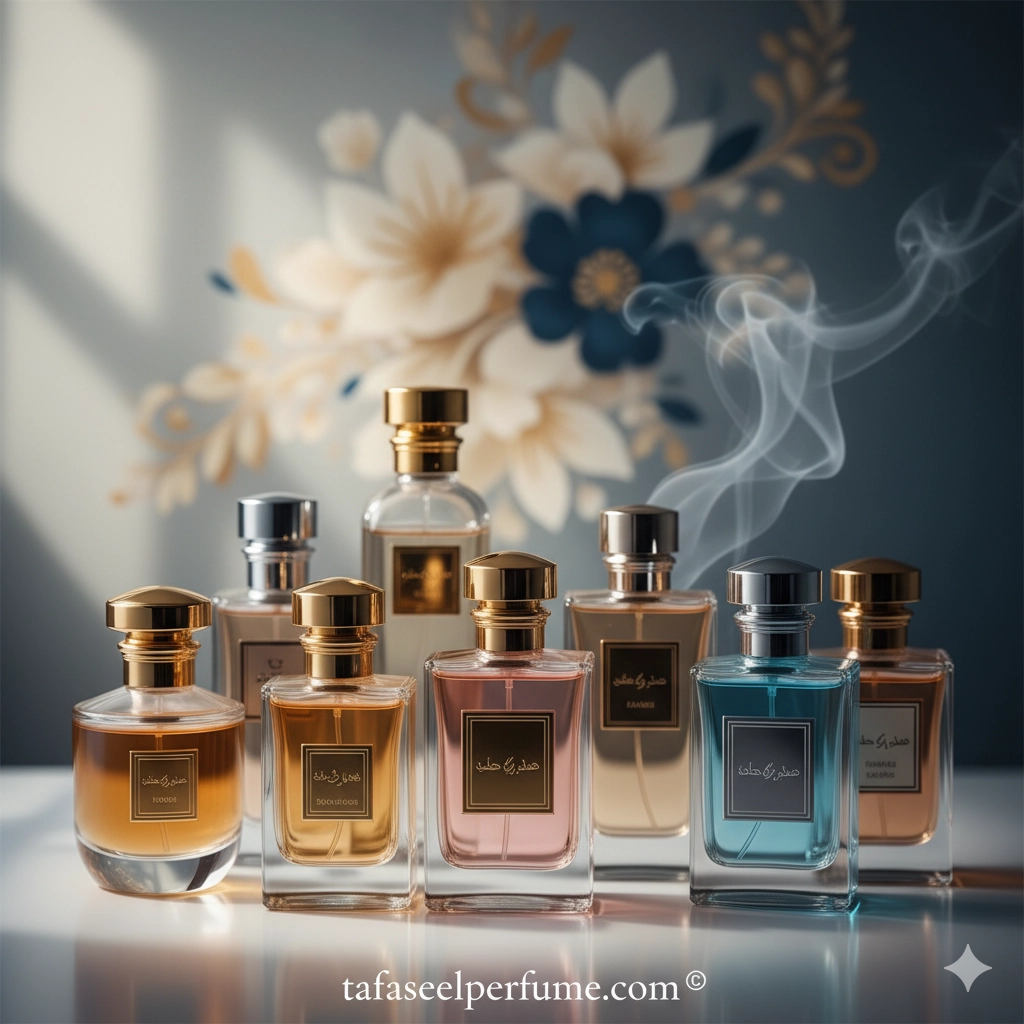
- Discover the Art of Fine Fragrances: Luxury Scents That Define Elegance: Fine fragrances are more than just scents—they are expressions of personality, mood, and artistry. Explore the world of exquisite perfumes and colognes that leave a lasting impression.
From timeless classics to modern creations, fine fragrances offer a diverse palette of aromas designed to captivate the senses. These luxurious scents are crafted with precision, using the highest quality ingredients to ensure each bottle tells a story. Whether seeking a signature scent or an unforgettable gift, understanding fine fragrances can elevate your appreciation of olfactory art. This guide explores the nuances of fine fragrances, highlighting iconic brands, unique notes, and expert tips to make your fragrance experience exceptional.
1. Understanding the Composition of Fine Fragrances – Learn how perfumes are structured from top, middle, to base notes, and why each layer matters.
2. Iconic Perfume Houses and Their Signature Scents – Discover legendary brands that have shaped the fragrance world with timeless classics.
3. Choosing the Perfect Fragrance for Every Occasion – Tips to match your scent with mood, season, and setting for maximum impact.
1. Understanding the Composition of Fine Fragrances
The artistry of fine fragrances lies in their layered composition. Top notes are the first impression, often light and fleeting, giving a burst of freshness. Middle notes, or heart notes, define the character of the perfume and emerge as the initial scent fades. Base notes provide depth and longevity, anchoring the fragrance with lasting warmth and richness. Master perfumers carefully balance these layers, considering volatility, harmony, and olfactory impact to create scents that evolve beautifully over time.
Balmain Women’s Perfume: The Ultimate Guide to Elegant French Fragrance
2. Iconic Perfume Houses and Their Signature Scents
Perfume houses such as :contentReference[oaicite:0]{index=0} and :contentReference[oaicite:1]{index=1} have set benchmarks in the fragrance industry. Each house carries a legacy of creativity, blending rare essences to craft perfumes that become symbols of elegance. Signature scents like Chanel No. 5 or Tom Ford Black Orchid are celebrated for their distinctive notes, artistry, and the emotional resonance they evoke. Understanding these iconic houses helps fragrance enthusiasts navigate choices with appreciation for history and craftsmanship.
Best Selling Tom Ford Perfume: The Ultimate Guide to the Most Popular Luxury
3. Choosing the Perfect Fragrance for Every Occasion
Selecting a fragrance is an intimate experience. For daytime or work settings, lighter citrus or floral scents create a subtle yet inviting aura. Evening events or special occasions often call for richer, oriental, or woody fragrances that leave a lasting impression. Understanding personal preference, skin chemistry, and seasonal factors ensures that your chosen fragrance enhances your presence rather than overpowering it. Sampling perfumes on your skin before purchase is crucial to find the ideal match that harmonizes with your natural scent.
FAQs About Fine Fragrances
What defines a fragrance as "fine"?
A fine fragrance is characterized by high-quality ingredients, expert craftsmanship, and a complex composition that includes top, middle, and base notes, resulting in a scent that evolves gracefully over time.
How should I store my perfumes to maintain quality?
Store fragrances in a cool, dark place away from direct sunlight and temperature fluctuations. Avoid bathrooms where humidity can degrade the perfume’s composition.
Can one fragrance suit all occasions?
While some fragrances are versatile, the best approach is to select scents that complement the setting, mood, and season. Light florals work well for daywear, while richer orientals suit evening events.
How long do fine fragrances typically last?
Longevity depends on concentration. Eau de Parfum lasts longer than Eau de Toilette due to higher fragrance oil content, often providing 6–8 hours of noticeable scent.


