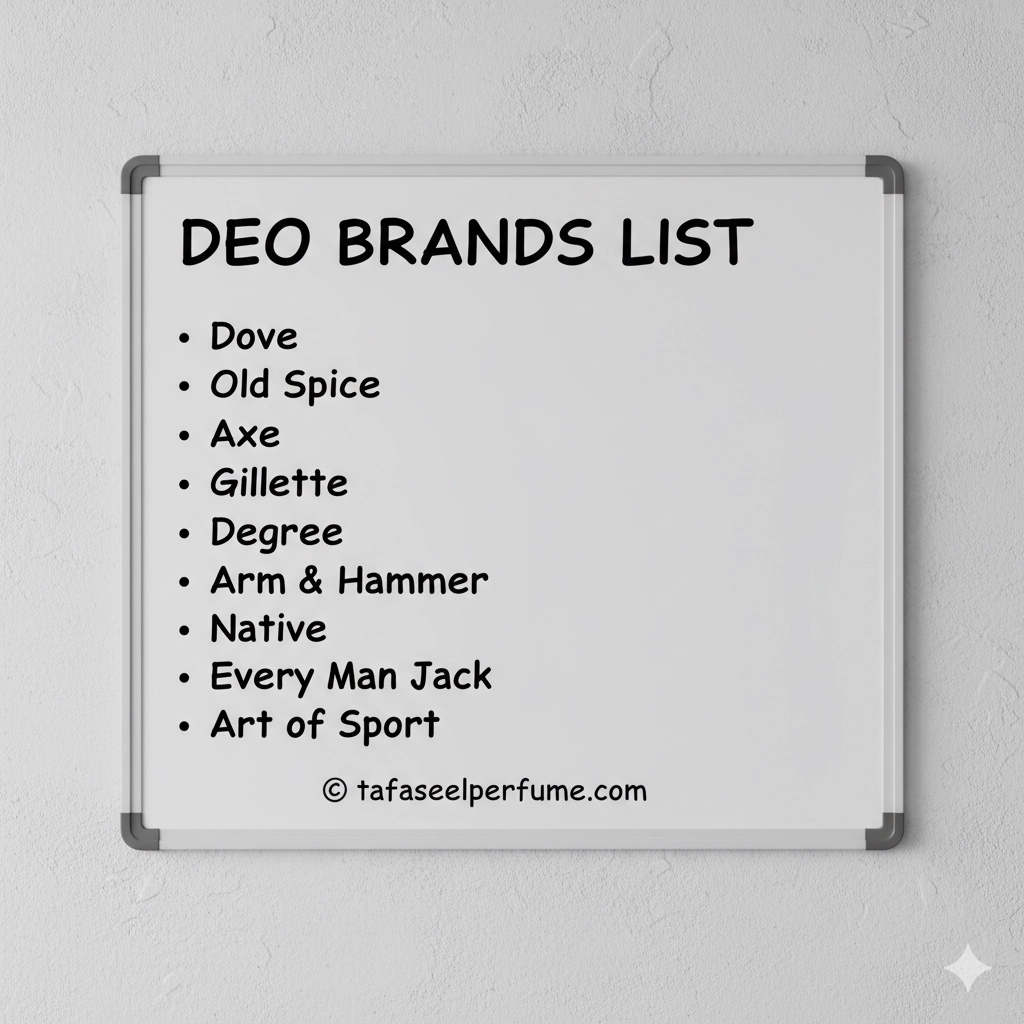
- Comprehensive Deo Brands List: Global Deodorant & Antiperspirant Guide for Modern Lifestyle: Small Introduction: This deo brands list explores leading deodorant and antiperspirant brands shaping personal care standards worldwide, focusing on performance, fragrance identity, and skin compatibility.
Big Introduction: In today’s personal grooming ecosystem, deodorants are no longer simple odor-control products; they represent a fusion of dermatological science, fragrance design, and lifestyle branding. This deo brands list provides a structured breakdown of globally recognized and niche deodorant brands, analyzing their formulation strategies, scent architectures, and market positioning across men’s, women’s, and unisex categories. It also integrates modern fragrance culture and consumer expectations, helping users understand how deodorant brands contribute to daily hygiene routines and identity expression.
1. Clinical Performance Deo Brands Overview High-efficiency formulas designed for sweat control and long-lasting protection.
2. Luxury Fragrance-Inspired Deodorants Premium deodorants integrating perfume-grade scent profiles.
3. Natural & Organic Deo Brands List Plant-based and aluminum-free deodorant alternatives.
4. Sports & Active Lifestyle Deodorants High-endurance products built for physical performance.
5. Gender-Neutral Deo Brands Unisex formulations focusing on balanced scent identities.
6. Drugstore Mass-Market Deo Brands Affordable and widely available deodorant solutions.
7. Dermatology-Recommended Deo Brands Sensitive-skin tested and hypoallergenic options.
8. Premium Niche Fragrance Deo Brands Boutique brands emphasizing olfactory craftsmanship.
9. Eco-Friendly Sustainable Deo Brands Environmentally conscious packaging and ingredients.
10. Regional & Emerging Deo Brands New market entrants and culturally influenced formulations.
1. Clinical Performance Deo Brands Overview
Clinical deodorant brands focus on scientifically engineered formulations designed to regulate perspiration at the glandular level. These products typically include higher concentrations of active ingredients such as aluminum zirconium compounds, which form temporary plugs within sweat ducts to reduce moisture output. Beyond sweat control, they often integrate antimicrobial agents to reduce bacterial growth responsible for odor formation. This category is particularly relevant for individuals with hyperhidrosis or those requiring extended protection during high-stress environments. The sensory profiles tend to be minimalistic, prioritizing function over fragrance complexity, although modern iterations increasingly incorporate subtle scent layers to enhance user experience.
2. Luxury Fragrance-Inspired Deodorants
Luxury deodorant brands bridge the gap between personal care and fine fragrance composition. These products often derive inspiration from high-end perfumery structures, including top, heart, and base notes that evolve over time on the skin. Ingredients such as bergamot, amber, musk, and sandalwood are frequently used to emulate niche perfume experiences. The emphasis is not only on odor protection but also on creating a signature scent identity that aligns with lifestyle aesthetics. Packaging design, ingredient sourcing, and brand heritage play significant roles in positioning these products within the premium segment of the deo brands list.
3. Natural & Organic Deo Brands List
Natural deodorant brands prioritize botanical ingredients and eliminate synthetic compounds such as aluminum salts and parabens. Common components include baking soda, magnesium hydroxide, coconut oil, and essential oils, which work synergistically to neutralize odor rather than block perspiration. These formulations appeal to consumers seeking chemical-conscious alternatives and often emphasize transparency in sourcing and production. However, performance variability can occur depending on skin microbiome differences, making user adaptation an important factor. This segment continues to grow as wellness culture intersects with clean beauty movements.
4. Sports & Active Lifestyle Deodorants
Sports-oriented deodorants are engineered for high-performance scenarios involving intense physical activity. These products typically feature enhanced sweat resistance, quick-drying textures, and long-lasting antimicrobial protection. Their formulations are optimized to withstand prolonged exertion, humidity, and friction from athletic wear. Fragrance profiles are often sharp, fresh, and invigorating, incorporating citrus, marine, or menthol notes to reinforce a sense of freshness. In the deo brands list, this category is essential for athletes and fitness-focused consumers requiring reliability under stress conditions.
5. Gender-Neutral Deo Brands
Gender-neutral deodorant brands reflect a shift in consumer identity toward inclusivity and personalization. Instead of traditional masculine or feminine scent classifications, these products emphasize balanced olfactory compositions that appeal universally. Notes such as cedarwood, white musk, and light florals are commonly used to achieve neutrality. Marketing strategies often avoid gendered language, focusing instead on lifestyle and emotional resonance. This evolution aligns with broader trends in the fragrance industry, where unisex positioning is increasingly dominant.
6. Drugstore Mass-Market Deo Brands
Mass-market deodorant brands dominate global retail distribution due to affordability and accessibility. These products are formulated for broad demographic appeal, balancing cost efficiency with acceptable performance standards. They often include both aerosol and stick formats, with fragrance options ranging from clean and powdery to bold and sporty. While not as specialized as niche alternatives, their reliability and availability make them foundational within the deo brands list. Continuous innovation in this segment focuses on improved skin compatibility and longer protection duration.
7. Dermatology-Recommended Deo Brands
Dermatologist-recommended deodorants are formulated for sensitive skin profiles, often excluding common irritants such as alcohol, synthetic fragrances, and harsh preservatives. These products undergo clinical testing to ensure minimal risk of allergic reactions or skin barrier disruption. Ingredients like aloe vera, chamomile extract, and niacinamide are frequently included to soothe and protect the skin. This category is particularly important for individuals with eczema, dermatitis, or post-shaving sensitivity. Performance is balanced with safety, making it a trusted segment within the deo brands list.
8. Premium Niche Fragrance Deo Brands
Niche deodorant brands operate at the intersection of artisanal perfumery and personal hygiene innovation. They often produce small-batch formulations with highly curated scent profiles inspired by niche perfumers. These deodorants may feature rare raw materials such as oud, iris butter, or ambergris accords, elevating them beyond conventional hygiene products. The focus is on exclusivity, craftsmanship, and storytelling, appealing to fragrance enthusiasts who value individuality. This segment represents the most experimental and expressive end of the deo brands list.
9. Eco-Friendly Sustainable Deo Brands
Sustainable deodorant brands emphasize environmental responsibility through biodegradable packaging, refill systems, and ethically sourced ingredients. Many avoid aerosol propellants and instead use solid sticks, creams, or recyclable containers. Formulations prioritize natural or low-impact synthetic ingredients to reduce ecological footprint. This category reflects growing consumer demand for sustainability in personal care. Within the deo brands list, these brands are key drivers of innovation in green chemistry and circular product design.
10. Regional & Emerging Deo Brands
Emerging deodorant brands from regional markets introduce localized scent preferences and culturally influenced formulations. These products often incorporate indigenous ingredients such as herbal extracts, regional spices, or traditional botanical blends. They provide insight into how cultural identity shapes fragrance development and consumer behavior. Many of these brands are expanding globally through e-commerce platforms, challenging established multinational corporations. Their growth adds diversity and dynamism to the global deo brands list landscape.
FAQ 1: What is included in a deo brands list?
A deo brands list typically includes clinical, luxury, natural, sports, and niche deodorant brands categorized by performance, ingredients, and fragrance style. It helps users compare options based on skin type and lifestyle needs.
FAQ 2: Are natural deodorants effective compared to clinical ones?
Natural deodorants neutralize odor using plant-based ingredients but do not block sweat, while clinical deodorants reduce perspiration more aggressively. Effectiveness depends on individual body chemistry and usage context.
FAQ 3: Which deo brands are best for sensitive skin?
Dermatology-tested deodorant brands with hypoallergenic formulas and no alcohol or synthetic fragrance are best suited for sensitive skin types.
FAQ 4: Do luxury deo brands last longer?
Luxury deodorants often include higher-quality fragrance oils and complex scent structures, which can improve longevity, but sweat protection duration depends on formulation type.
FAQ 5: What makes sports deodorants different?
Sports deodorants are designed for high sweat conditions, offering stronger antimicrobial protection and faster-drying formulas compared to standard products.
FAQ 6: Are unisex deodorants different from regular ones?
Unisex deodorants avoid gender-specific scent profiling and instead use balanced fragrance compositions suitable for all users.
FAQ 7: What is the most popular deo category globally?
Mass-market deodorants remain the most widely used category due to affordability, availability, and consistent performance.
FAQ 8: Are eco-friendly deodorants effective?
Eco-friendly deodorants can be effective for odor control, though users may need an adaptation period when switching from synthetic formulas.
FAQ 9: Do deodorants expire?
Yes, deodorants typically have a shelf life of 2–3 years depending on formulation and storage conditions.
FAQ 10: Can deodorants affect skin health?
Some deodorants may cause irritation depending on ingredients, but dermatologist-tested options minimize skin health risks significantly.


