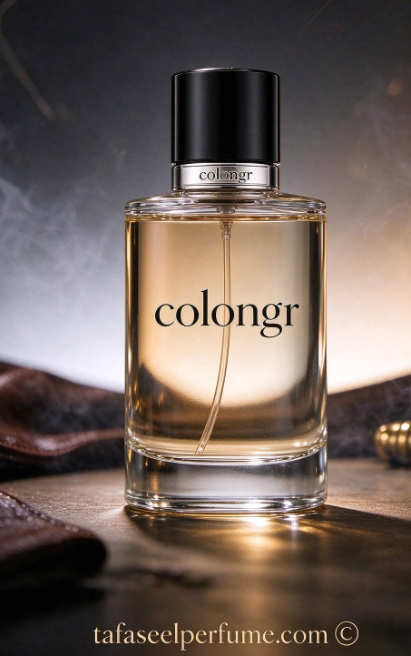
- Colongr: The Complete Guide to Cologne’s Lightest, Most Misunderstood Fragrance Form: Short introduction. Colongr is the search-friendly spelling of cologne — a fragrance category defined by low concentration, citrus-forward freshness, and a short, bright wear arc. It is not a weaker perfume in the pejorative sense; it is a different construction with its own history, its own scent grammar, and its own rules for use.
Short introduction. Colongr is the search-friendly spelling of cologne — a fragrance category defined by low concentration, citrus-forward freshness, and a short, bright wear arc. It is not a weaker perfume in the pejorative sense; it is a different construction with its own history, its own scent grammar, and its own rules for use. This guide explains what colongr means, where it came from, how to read its notes, how to choose one, and how to make it last longer than the two hours it is often designed to last.
Long introduction. The word “cologne” entered English from the German city of Köln, via the French Eau de Cologne — literally “water of Cologne.” The original formula was launched in 1709 by Giovanni Maria Farina, an Italian perfumer working in Cologne, and it was not designed as a romantic veil. It was a refreshing spirit-citrus water: bergamot, lemon, orange, neroli, rosemary, and other Mediterranean herbs diluted in a high proportion of alcohol. That origin matters because it explains almost everything about modern cologne: why it smells clean rather than heavy, why it is often unisex in character, why it is sold as a daily splash rather than an evening statement, and why its longevity is measured in hours, not days. When someone types “colongr,” they are usually looking for one of three things: a definition, a recommendation, or a fix for the fact that their cologne disappears too quickly. The sections below answer all three, without pretending that cologne is something it is not. A good cologne is not a failed perfume. It is a fragrance format optimized for heat, movement, daylight, and proximity — and when chosen and worn correctly, it is one of the most pleasant things a person can put on skin.
1. What “Colongr” Actually Means in Fragrance Conversation
1. What “Colongr” Actually Means in Fragrance Conversation
In everyday search and social text, “colongr” functions as a stand-in for cologne. The fragrance industry uses “cologne” in two overlapping ways. Technically, it refers to Eau de Cologne, a concentration of roughly 2 to 5 percent aromatic compound in alcohol, historically built around citrus and herbs. Colloquially, especially in American English, “cologne” is often used to mean “a fragrance for men,” regardless of its actual concentration. A man wearing an Eau de Toilette may still say he is “putting on cologne.” This double meaning is why the word confuses people. When you search “colongr,” you may be looking for the technical category, the masculine fragrance aisle, or both. The practical resolution is simple: cologne is a concentration and a style, not a gender. A cologne can be marketed to men, women, or no one in particular, and its character is determined by its formula, not by the label on the box. If you are exploring masculine-leaning cologne styles, the Men’s Perfume collection is a useful reference point; if you want the same citrus-aromatic freshness without gendered marketing, the Unisex Perfume section is the more accurate filter.
2. The 1709 Origin Story That Still Shapes Every Colongr
2. The 1709 Origin Story That Still Shapes Every Colongr
The first Eau de Cologne was not a luxury statement. It was a functional refreshment: a citrus-and-herb infusion that could be splashed on the face and body in a crowded, pre-deodorant Europe. Giovanni Maria Farina’s formula, launched in Cologne in 1709, combined bergamot, lemon, orange, neroli, and rosemary in a high-alcohol base. The high alcohol content served two purposes: it extracted the volatile citrus oils, and it evaporated quickly, creating a cooling effect on skin. That cooling, brightening, almost tonic-like quality is still the emotional core of cologne today. When a modern cologne feels “sharp” or “clean” or “like a just-laundered shirt,” it is usually echoing that 18th-century structure — not because perfumers are lazy, but because the structure works. The 1709 origin also explains why cologne has always been more democratic than perfume. It was sold in large bottles, used generously, and shared across genders long before “unisex” became a marketing category. If you are building a fragrance wardrobe and want to understand where light, fresh, daily-wear scents fit, the Perfume Articles library has broader context on how different concentration families coexist.
3. Concentration Decoded: Where Colongr Sits on the Fragrance Ladder
3. Concentration Decoded: Where Colongr Sits on the Fragrance Ladder
Cologne is the lightest standard fragrance concentration, typically 2 to 5 percent aromatic oils, compared with 5 to 15 percent for Eau de Toilette and 15 to 20 percent or more for Eau de Parfum. That low concentration is not a defect; it is the design brief. A lower oil load means the fragrance opens quickly, projects moderately, and fades within a predictable window — usually one to three hours on skin, longer on fabric. This makes cologne uniquely suited to situations where a heavy perfume would be intrusive: a warm office, a commute, a morning routine, a first meeting, or any environment where you want to smell clean rather than announce yourself. The trade-off is that cologne demands a different wearing strategy. You cannot apply it once at 7 a.m. and expect it to survive a full workday, because it was never built to. The sections on application and layering below address that directly. For readers who want the freshness of cologne but with a longer wear arc, an Eau de Toilette in a similar citrus-aromatic profile is the natural upgrade — and the Men’s Perfume and Unisex Perfume pages both list concentration details alongside scent profiles, which makes comparison easier than guessing from the bottle.
4. The Citrus-Aromatic Skeleton: What a Classic Colongr Smells Like
4. The Citrus-Aromatic Skeleton: What a Classic Colongr Smells Like
A classic cologne follows a recognizable arc. The top is a burst of citrus: bergamot from Calabria, lemon from Sicily, bitter orange, sometimes grapefruit or mandarin. The heart is aromatic and herbal: rosemary, lavender, neroli, petitgrain, sometimes a whisper of rose or jasmine. The base is light and supportive: vetiver, white musk, patchouli in trace amounts, maybe a soft amber or cedar. This skeleton is why cologne smells “clean” without smelling like soap, and “fresh” without smelling like shower gel. It is also why cologne is so good at layering: the citrus-aromatic core sits close to the skin and plays well with other light textures. If you want to understand how these notes translate into an actual wearing experience, the Unisex Perfume section includes cologne-style releases with their main accords listed, so you can see which ones lean more herbal, more floral, or more woody before committing to a full bottle. The key point is that cologne is not “one smell.” It is a structure, and that structure can be interpreted in dozens of ways.
5. Colongr vs. Eau de Toilette: What Actually Changes on Skin
5. Colongr vs. Eau de Toilette: What Actually Changes on Skin
The most useful distinction between cologne and Eau de Toilette is not the label — it is the behavior on skin. A cologne at 3 percent concentration will typically open brighter, feel thinner, and fade sooner than an EDT at 8 percent. The cologne’s citrus top notes are more prominent because there is less resinous or woody material to anchor them; the EDT’s heart and base are more legible because there is more material to smell. Neither is “better.” They solve different problems. If you want a fragrance that feels like a quick refresh, a cologne is the correct tool. If you want a fragrance that develops over several hours and leaves a trail, an EDT is the correct tool. Many people keep both: a cologne for morning and hot weather, an EDT for evenings and cooler months. The Men’s Perfume page is organized in a way that lets you compare concentration-adjacent releases side by side, and the Perfume Gift Sets category is often the most economical way to test a cologne and its EDT sibling without buying two full bottles.
6. How to Wear Colongr Without Losing It by Lunchtime
6. How to Wear Colongr Without Losing It by Lunchtime
Cologne fades faster than heavier concentrations for a structural reason, not because your skin is broken. The practical response is to work with the format instead of fighting it. Apply to damp, warm skin after a shower: open pores and residual moisture help slow the evaporation of the alcohol carrier and give the citrus oils something to cling to. Dab, do not rub. Rubbing generates heat and friction that accelerate the breakdown of top notes; pressing the fragrance into the skin is enough. Target pulse points and clothing. The neck, wrists, and inner elbows stay warmer and release scent gradually; a single spray on the inside of a collar or a scarf can outlast several sprays on dry skin. Do not be afraid to reapply. A cologne that is designed for two to three hours of wear is not failing when it fades at hour two; it is doing its job. A travel atomizer is the correct accessory for this format, not a sign of defeat. If you want to build a cologne routine that includes skin preparation, the Skin Care & Tools section covers the kind of lightweight, fragrance-compatible layering that supports a cologne without competing with it.
7. Colongr as a Unisex and Layering Tool
7. Colongr as a Unisex and Layering Tool
Because cologne is built on citrus and herbs rather than heavy florals or resins, it has always been more gender-neutral than the marketing suggests. A classic cologne smells like cleanliness, shade, and cold water — qualities that do not belong to one gender. This makes cologne an unusually flexible layering component. You can wear it alone as a light daily scent, or use it as a “top layer” over a subtler body cream or a heavier base fragrance to add lift and brightness. The Unisex Perfume collection is the most direct place to explore this, but the logic applies across categories: a citrus cologne layered over a woody EDT creates a hybrid that is brighter than the EDT alone and longer-lasting than the cologne alone. For households with children, it is worth noting that adult cologne is not formulated for infant skin; the Children & Baby’s Perfume category exists precisely because young skin needs alcohol-free, hypoallergenic formulas, and those should not be confused with adult cologne, no matter how “light” the cologne feels.
8. Building a Colongr Wardrobe Without Overspending
8. Building a Colongr Wardrobe Without Overspending
A cologne wardrobe does not need to be large. Three bottles can cover almost every situation: one classic citrus-herbal cologne for heat and mornings, one green or tea-like cologne for office and travel, and one light woody-musk cologne for evenings when you want closeness rather than projection. Because cologne is consumed faster than EDT or EDP, smaller bottles and discovery sets are often smarter than large flacons; you are less likely to tire of a 30 ml bottle before it is finished. The Perfume Gift Sets category is useful here because it often pairs a cologne with a matching shower gel or body lotion, which supports the damp-skin application method described above. If you are buying for someone else and are unsure of their tolerance for heavier fragrance, a cologne-style set is one of the safest gifts in perfumery: it is unlikely to overwhelm, it is easy to reapply, and it fits almost any climate.
Frequently Asked Questions About Colongr
Is “colongr” a real perfume term?
Not in formal perfumery. “Colongr” is a spelling variant that appears in search queries and casual text when people mean cologne, usually Eau de Cologne. If you are looking for the technical category, search “Eau de Cologne” or “cologne concentration”; if you are looking for masculine-leaning fresh scents, “cologne” is the word most retailers use.
Why does my colongr disappear so quickly?
Because cologne is designed to be light. A typical cologne contains 2 to 5 percent aromatic compound, and its citrus top notes are volatile by nature. One to three hours on skin is normal. Applying to damp skin after a shower, spraying clothing, and carrying a travel atomizer for reapplication are the standard fixes.
Is cologne only for men?
No. Cologne is a concentration and a style, not a gender. The original Eau de Cologne was used by both men and women, and modern citrus-aromatic colognes are often marketed as unisex. The Unisex Perfume section is the clearest retail expression of this, but the fragrance itself has no gender.
Can I wear colongr in winter?
Yes, but adjust expectations. Cologne feels most natural in heat because its citrus and herb notes echo the sensation of coolness. In cold weather, it can still work as an indoor or layered scent, but it will project less and fade faster on dry, cold skin. Applying to damp skin and layering over an unscented moisturizer helps.
What is the difference between colongr and eau de toilette?
Concentration and wear arc. Cologne is roughly 2 to 5 percent aromatic compound and lasts one to three hours; Eau de Toilette is roughly 5 to 15 percent and lasts three to five hours or more. Cologne opens brighter and fades sooner; EDT develops more and sits closer to the skin for longer. They are different tools, not better or worse versions of each other.
Can I layer colongr with another fragrance?
Yes, and cologne is one of the easiest categories to layer because its citrus-aromatic structure is relatively transparent. Apply the heavier fragrance first, then add cologne as a top layer on clothing or the outer edges of the application area. The Perfume Articles library has broader guidance on layering order and compatible scent families.
Is colongr suitable for sensitive skin?
Not automatically. Cologne’s high alcohol content can sting on freshly shaved or compromised skin, and citrus oils can be photosensitizing for some people. If sensitivity is a concern, patch-test on a small area first, and avoid applying cologne to irritated or sunburned skin. Baby and child skin should not use adult cologne; the Children & Baby’s Perfume category is formulated for that use case.
Where should I start if I have never bought a colongr before?
Start with a small bottle or a discovery set in a classic citrus-herbal profile. Wear it for a week before deciding whether you want a second bottle in a greener, woodier, or more floral direction. The Men’s Perfume and Unisex Perfume pages both list scent profiles and accords, which makes it easier to choose a starting point without blind-buying a large bottle.


