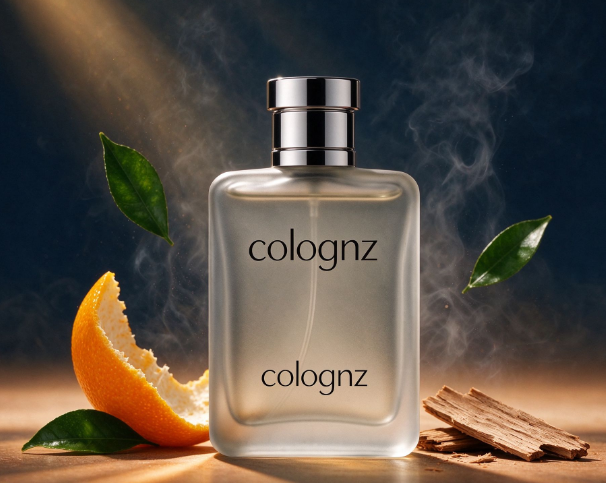
- Colognz Decoded: A Modern Guide to Light Fragrance, Smart Layering, and Everyday Scent Confidence: Short Intro: “Colognz” is not a formal perfumery term—it is a spelling variation that appears in product listings and search queries, often functioning as a casual or localized rendering of “colognes.” This guide treats colognz as an entry point into the world of light, fresh, citrus-driven fragrance: what it means in practice, how it differs from heavier perfume concentrations, and how to choose and wear it without overthinking the bottle.
Long Intro: If you have encountered “colognz” while browsing fragrance products, the first thing to understand is that the word does not describe a distinct concentration or olfactory family. It is best read as a variant spelling connected to cologne—a term that originally referred to the light, citrus-forward “Water of Cologne” created in 1709, and which in contemporary American English has become a broad label for fresh fragrances, especially those marketed toward men. In practical use, colognz points toward the same territory: lighter compositions, immediate freshness, easy wearability, and a lower risk of overwhelming a room. That makes it a useful keyword for anyone searching for an everyday scent, a warm-weather staple, or a starter fragrance. The sections below unpack what colognz implies, how to evaluate a cologne-style fragrance, and where it fits within a broader fragrance wardrobe.
1. What “Colognz” Actually Means in Fragrance Language
A clear-headed explanation of the term, its relationship to “cologne,” and why spelling variants appear in retail and search contexts.
2. Colognz vs. Perfume: Concentration, Longevity, and the Real Trade-Off
How light cologne-style fragrances compare with eau de toilette and eau de parfum, and what that means for reapplication and daily wear.
3. How to Choose a Colognz-Style Fragrance Based on Use, Not Hype
A practical decision framework: matching the scent to the occasion, reading note pyramids, and testing on skin rather than paper.
4. The Note Families That Make Colognz Work: Citrus, Aromatic, and Clean Musk
Why bergamot, neroli, lavender, and light woods dominate this category, and how to navigate the options without getting lost.
5. Wearing Colognz Well: Layering, Reapplication, and Storage
Techniques for getting more from a lighter fragrance, from pulse-point application to pairing it with matching body products.
1. What “Colognz” Actually Means in Fragrance Language
The term colognz does not appear in standard perfumery classification. It is a spelling variant that surfaces in product titles, marketplace listings, and informal search behavior, typically in place of colognes or cologne. The root word, cologne, is a shortening of eau de Cologne, the light fragrance originally produced in Cologne, Germany, in the early eighteenth century. Traditional eau de cologne contains roughly 2–5% aromatic compounds in a base of 70–90% ethanol and water, giving it a fleeting, refreshing character that was designed for immediate lift rather than all-day projection.
When a product or query uses “colognz,” it is almost always leaning on that same set of expectations: freshness, cleanliness, citrus energy, and easy application. The spelling itself is not a mark of quality or a special formulation; it is a lexical drift. WikiDiff notes that “Cologn” is an obsolete form of “Cologne,” and modern English usage favors the standard spelling. In other words, colognz is best understood as a colloquial or keyword-level variant, not a technical grade. That matters because it frees you from looking for a “colognz” section in a store: you are really shopping for cologne-style fragrances, which can sit within unisex perfume, men’s perfume, or women’s perfume categories depending on the brand’s positioning.
The most useful translation of colognz is therefore functional rather than literal: it signals a fragrance that prioritizes immediate freshness and low intimidation over density and projection. That makes it a sensible entry point for people who find heavier orientals or gourmands overwhelming, and a natural fit for hot climates, morning routines, and office environments where a large sillage would be inappropriate.
2. Colognz vs. Perfume: Concentration, Longevity, and the Real Trade-Off
Understanding colognz begins with understanding the concentration ladder. In broad terms, eau de cologne sits at the lighter end, followed by eau de toilette, eau de parfum, and extrait or parfum. A traditional cologne’s low oil concentration produces a bright, immediate opening but typically shorter longevity on skin. That is not a defect; it is the design brief. The trade-off is deliberate: more instant freshness, less persistence than a more concentrated juice.
This is where colognz-style fragrances often get unfairly dismissed. A modern cologne can be surprisingly stable when it incorporates musky, woody, or amber bases, even if its official concentration remains in the lighter range. The practical question is not “Is this a cologne?” but “Does this fragrance’s actual behavior on my skin match how I plan to wear it?” A cologne that fades in two hours can be perfect for a lunch meeting or a post-gym reset; the same cologne will frustrate someone who expects a single morning application to last until dinner. If longevity is the absolute priority, an eau de parfum is usually the more suitable format; if you value the ritual of reapplication and the lift of a fresh opening, cologne is the more honest choice.
For readers building a fragrance wardrobe, this distinction is liberating. A colognz approach does not compete with a heavier signature scent; it complements it. You can keep a fresh cologne for daytime, warm weather, and travel, while reserving a denser perfume for evenings or cold-weather occasions. The category works best when it is treated as a tool for a specific job rather than as a lesser version of “real perfume.”
3. How to Choose a Colognz-Style Fragrance Based on Use, Not Hype
The most common mistake in choosing a cologne is starting with the bottle, the brand, or a viral review. A more reliable method is to start with use case. Scentia’s buying guidance makes this explicit: an everyday cologne has different requirements from a summer-only or post-shower fragrance. For daily wear, look for a balanced composition that is fresh but not painfully fleeting, with a clean musk, light woody, or aromatic base to give it a little staying power. For a purely refreshing effect after a shower or during a heatwave, a very citrusy or hesperidic cologne can be ideal even if its longevity is shorter.
The second step is to read the note pyramid critically. Top notes tell you what you will smell in the first minutes; base notes tell you what might remain after the opening burns off. A cologne with a promising bergamot opening but no anchoring base will behave very differently from one that lists vetiver, musk, or a light wood in the base. If you are shopping online, the olfactory pyramid is often more useful than the marketing copy. Third, test on skin, not paper. Cologne-style fragrances evolve quickly, and the same citrus opening can turn sharp, soapy, or pleasantly soft depending on body chemistry. A paper strip cannot replicate that arc.
Finally, be honest about reapplication. If the idea of carrying a travel spray or reapplying after lunch feels inconvenient, prioritize colognes with a denser modern construction or accept that the category may not suit your routine. There is no shame in choosing an eau de toilette or eau de parfum instead; the goal is a fragrance that fits your life, not a label that sounds refined. For those who enjoy exploring options, browsing curated mini size & gift sets or perfume gift sets can be a low-risk way to test several cologne-style profiles before committing to a full bottle.
4. The Note Families That Make Colognz Work: Citrus, Aromatic, and Clean Musk
Cologne-style fragrances are not a single smell; they are a family of choices united by a preference for clarity and lift. The historical heart of the category is citrus and hesperidic notes: bergamot, lemon, orange, tangerine, grapefruit, and petitgrain. These materials provide the immediate “fresh” signal that most people associate with cologne. But citrus alone can feel thin. That is why successful colognes often build outward from that opening with neroli or orange blossom for a brighter, more elegant lift, or with lavender, rosemary, and sage for an aromatic, sometimes more traditionally masculine character.
A third pillar is clean musk and light woods. These bases do not necessarily announce themselves as “cologne,” but they extend the life of the composition and give it a skin-like softness that makes the fragrance feel less like a splash and more like a personal scent. A cologne with a musk or light cedar base can sit close to the skin for hours without shouting, which is precisely what many everyday wearers want. This is also where modern colognes diverge from the old-fashioned idea of cologne as a fleeting citrus water: the genre now includes green, floral, and even slightly spicy interpretations that retain freshness while adding texture.
When evaluating a colognz-style product, ask which of these pillars it leans on. A citrus-aromatic cologne is energetic and office-friendly; a citrus-musk cologne is softer and more intimate; a cologne with a woody-amber base is a bridge between freshness and depth. None of these is inherently better, but naming the structure helps you predict how the fragrance will behave after the first fifteen minutes.
5. Wearing Colognz Well: Layering, Reapplication, and Storage
Because cologne-style fragrances are designed to be light, technique matters more than with a heavy parfum. Application on moisturized skin slows evaporation and gives the fragrance a better surface to cling to; dry skin can make even a well-constructed cologne disappear prematurely. Apply to pulse points—wrists, neck, behind the ears—but avoid rubbing the wrists together, which can crush the top notes and accelerate the fade. A light mist over clothing can extend the presence of the scent, though it will not replace skin chemistry.
Layering is another practical strategy. A matching body wash or lotion, where available, creates a subtle base that helps the cologne last longer without changing its character. If you enjoy a more personal signature, a light musk or woody body oil applied before the cologne can add a soft anchor. For travel or long days, a mini size or travel spray is not an admission of weakness in the fragrance; it is simply part of wearing cologne intelligently. Reapplying once in the afternoon is normal and often preferable to choosing a heavier concentration that feels oppressive by midday.
Storage also deserves attention. Light and heat degrade citrus-forward compositions quickly. Keep colognes away from bathroom windowsills and car dashboards; a cool, dark drawer or box is sufficient. If you rotate several fragrances, consider keeping the bottles in their original boxes to limit light exposure. These small habits make a noticeable difference in how a cologne smells six months after opening, especially for natural citrus oils that are the backbone of the category.
FAQ
Is “colognz” a real fragrance term?
No. “Colognz” is a spelling variant that appears in product listings and search queries, but it is not a recognized perfumery classification. The standard term is cologne, and “colognz” should be read as a casual or keyword-level rendering of that word rather than a distinct concentration or style.
Does colognz mean the fragrance is only for men?
Not necessarily. The word “cologne” in American English is often used as a generic label for fragrances marketed toward men, but the underlying category—light, fresh, citrus-driven scent—is inherently unisex. Many cologne-style fragrances are sold as unisex or are worn across genders.
Why does my colognz-style fragrance disappear so quickly?
Shorter longevity is a defining characteristic of the cologne concentration, not a flaw. Traditional cologne contains a lower percentage of aromatic compounds, so it is designed to be refreshed rather than to project for twelve hours. If persistence is essential, look for a cologne with a musk, woody, or amber base, or consider an eau de toilette or eau de parfum instead.
Can I layer a colognz-style fragrance with a heavier perfume?
Yes, but do it thoughtfully. A light citrus cologne can brighten the opening of a heavier fragrance, while a musk-based cologne can soften a dense oriental. Apply the lighter fragrance first, let it settle, and then apply the heavier one sparingly. Test the combination on skin before wearing it in public, because not every pairing harmonizes.
How should I store a cologne to make it last?
Keep it away from direct sunlight and heat. A closed drawer, a closet shelf, or the original box is better than a bathroom counter or a windowsill. Citrus-forward colognes are especially vulnerable to light degradation, so a dark, stable-temperature location will help preserve the brightness of the opening.
Where can I explore cologne-style fragrances beyond the mainstream?
Specialty retailers and curated fragrance collections often carry lighter, cologne-inspired compositions that do not fit the traditional “men’s cologne” aisle. You can browse perfume articles and reviews for note-level breakdowns, or explore perfume rankings and top lists to see how fresh compositions compare across brands. Sampling through discovery sets or travel sizes remains the most reliable way to find a cologne that behaves well on your skin.


