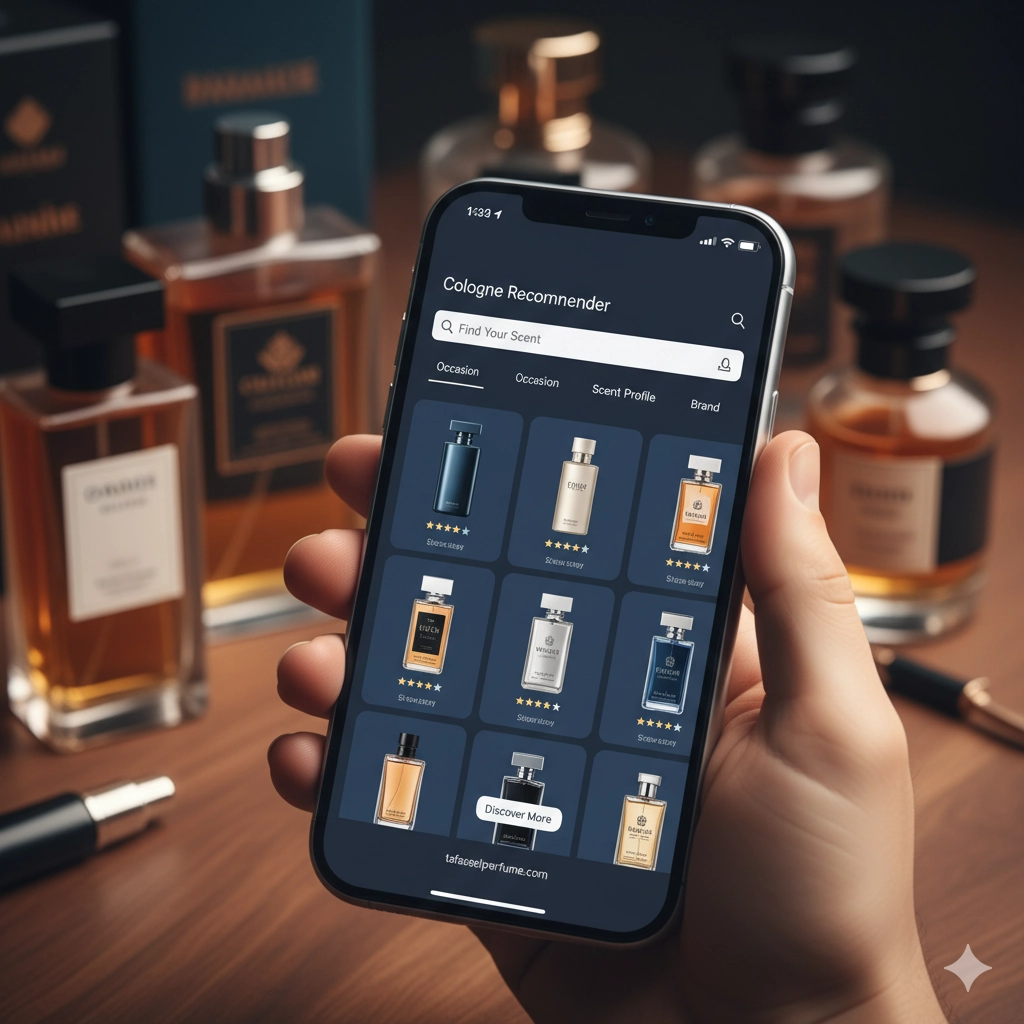
- Cologne Recommender: How to Find the Perfect Scent for Your Style and Lifestyle: Short Introduction: A cologne recommender is the smartest way to navigate the complex world of men’s fragrances, helping you identify scents that truly match your personality, occasions, and preferences.
Long Introduction: Choosing a fragrance is no longer just about brand recognition or price point. A modern cologne recommender considers scent families, lifestyle habits, climate, age range, and even emotional impact. With thousands of options on the market, a structured recommendation approach saves time, reduces costly mistakes, and ensures your signature scent aligns with who you are. Whether you prefer fresh, woody, spicy, or oriental profiles, a reliable cologne recommender transforms confusion into confidence.
Guide Overview: Below is a structured guide that explains how a cologne recommender works, what factors matter most, and how to use these insights to build a versatile fragrance wardrobe.
1. What Is a Cologne Recommender?
A clear explanation of how fragrance recommendation systems work and why they matter.
2. Understanding Fragrance Families
An overview of scent categories that power every effective cologne recommender.
3. Matching Cologne to Personality
How recommenders translate personal traits into scent profiles.
4. Choosing Cologne by Occasion
Why day, night, work, and social settings require different recommendations.
5. Seasonal Logic in Cologne Recommendation
How temperature and climate influence fragrance performance.
6. Building a Smart Cologne Collection
Using a cologne recommender to avoid redundancy and cover all scenarios.
1. What Is a Cologne Recommender?
A cologne recommender is a structured system—either digital or expert-driven—that evaluates your preferences and narrows down suitable fragrances. Instead of browsing blindly, users answer questions about scent likes, lifestyle, and usage intent. The recommender then filters options based on note composition, concentration, and performance. This approach mirrors professional fragrance consulting and is especially useful for beginners. Many users exploring curated fragrance content, such as Best Sites for Fragrances: Where to Buy Authentic Scents Online, rely on recommendation logic to ensure authenticity and satisfaction.
2. Understanding Fragrance Families
Every effective cologne recommender starts with fragrance families. These include fresh (citrus, aquatic), woody (cedar, sandalwood), spicy (pepper, cardamom), oriental (amber, vanilla), and fougère profiles. Understanding these categories allows recommenders to predict emotional response and compatibility. For example, woody and spicy scents often appeal to users seeking maturity and depth, while fresh profiles are recommended for daily wear. This classification system also explains why iconic fragrances discussed in articles like Dolce and Gabbana The One Mens Cologne remain timeless.
3. Matching Cologne to Personality
A refined cologne recommender aligns scent with personality traits. Confident and outgoing individuals are often matched with bold, spicy, or amber-heavy compositions, while minimalist personalities may prefer clean musks or light woods. Personality-based recommendation reduces the risk of wearing a fragrance that feels disconnected from your identity. This logic is increasingly used in unisex scent exploration, similar to how collections under Unisex Perfume are curated for versatility and self-expression.
4. Choosing Cologne by Occasion
Context matters. A professional cologne recommender differentiates between office-safe scents, evening fragrances, and special-event statements. Light, discreet compositions are recommended for work environments, while richer and more expressive scents are reserved for social or romantic settings. This layered recommendation strategy prevents overuse of a single fragrance and improves overall scent etiquette. Users who follow fragrance education content, such as Joy Perfume Jean Patou, often apply similar logic across both men’s and women’s scent choices.
5. Seasonal Logic in Cologne Recommendation
Temperature directly affects how a fragrance performs on skin. A data-driven cologne recommender adjusts suggestions based on season. Fresh and aquatic scents project better in summer, while oriental and woody compositions excel in colder months. Ignoring seasonal logic often leads to poor performance and discomfort. This is why many curated fragrance platforms also organize content seasonally, much like the approach seen in Versace Cologne Newest.
6. Building a Smart Cologne Collection
Rather than owning dozens of similar scents, a cologne recommender helps you build a balanced collection. Ideally, this includes a daily fresh scent, a professional option, an evening fragrance, and a seasonal signature. This method maximizes value while minimizing overlap. Many fragrance enthusiasts apply the same strategy when exploring broader categories such as Men s Perfume or curated gift selections.
Frequently Asked Questions About Cologne Recommender
What makes a cologne recommender accurate?
Accuracy comes from analyzing note preferences, lifestyle context, and usage intent rather than relying solely on popularity or reviews.
Is a cologne recommender suitable for beginners?
Yes. Beginners benefit the most because recommenders simplify complex fragrance terminology into actionable suggestions.
Can a cologne recommender help with gift buying?
Absolutely. By focusing on age range, occasion, and general scent preferences, it reduces the risk of choosing an unsuitable fragrance.
Do recommenders replace testing fragrances on skin?
No. A cologne recommender narrows options, but personal skin chemistry testing remains essential before final commitment.
Are cologne recommenders biased toward certain brands?
Quality recommenders focus on scent profile compatibility rather than brand promotion, ensuring objective guidance.
How often should I update my cologne recommendations?
Re-evaluate periodically as lifestyle, age, and preferences evolve to keep your fragrance choices aligned with your current identity.


