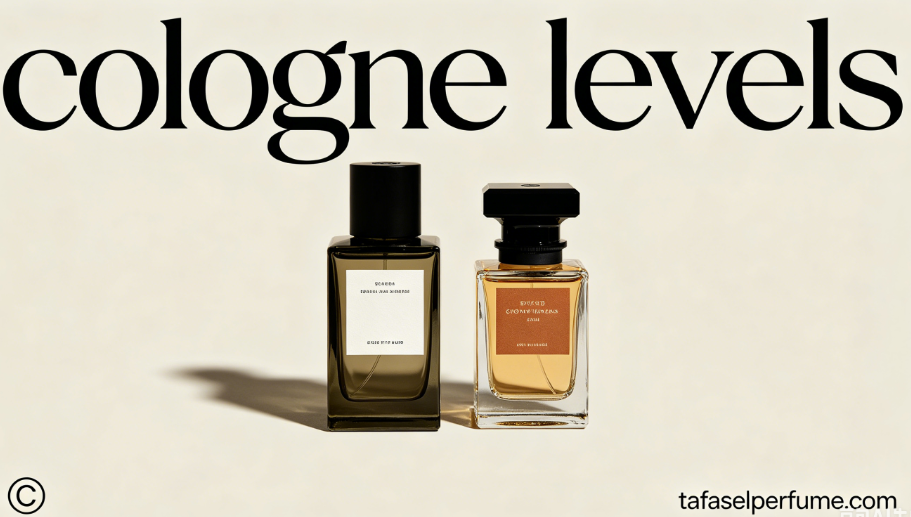
- Cologne Levels · The architecture of freshness, from eau de cologne to extrait: Brief · Cologne levels define the concentration of aromatic compounds in a fragrance. They shape longevity, projection, and the very character of a scent. Understanding these levels is the first step to choosing a perfume that fits your rhythm, season, and mood.
Introduction · The world of fragrance speaks in percentages. Cologne levels — from the lightest Eau de Cologne to the densest Parfum — are not merely numbers; they are the grammar of olfactive storytelling. A cologne-level determines whether a scent whispers or shouts, stays for an hour or lingers through the night. In this guide, we dissect every tier, explore their history, and help you navigate the spectrum of concentration. Whether you are a collector or a newcomer, the architecture of cologne levels will transform the way you wear fragrance.
· navigate cologne levels
1. The spectrum of concentration 2. Eau de Cologne · the original freshness 3. Eau de Toilette · the daily companion 4. Eau de Parfum · the modern signature 5. Parfum extrait · the purest essence 6. Cologne levels & longevity 7. Sillage and projection by level 8. Choosing the right cologne level for seasons 9. Layering with different concentrations 10. The evolution of cologne strengths1. The spectrum of concentration
The term “cologne levels” is often used as an umbrella for the entire concentration hierarchy, yet each level is a distinct olfactory category. Historically, Eau de Cologne (EDC) contained 2–5% perfume oil, while today we recognise Eau de Toilette (EDT, 5–15%), Eau de Parfum (EDP, 15–20%), and Parfum (20–40%). These percentages influence not only intensity but also the behaviour of top, heart, and base notes. Higher concentrations tend to suppress volatile top notes, allowing deeper, richer bases to unfold over time. The spectrum is not linear; it is a palette of textures, from the brisk sparkle of a classic cologne to the velvety depth of an extrait.
Modern perfumers also experiment with “extraits” and “elixirs” that blur traditional boundaries, yet the core cologne levels remain the universal reference for consumers and creators alike. Understanding this spectrum empowers you to predict how a fragrance will perform on your skin, in your climate, and throughout your day.
2. Eau de Cologne · the original freshness
Eau de Cologne is the grandfather of all cologne levels. Originating in 18th-century Germany, it was a light, citrus-forward blend designed for both hygiene and pleasure. With a concentration of merely 2–5% essential oils, EDC offers a fleeting, refreshing burst — typically lasting 1–2 hours. Its signature is built around bergamot, lemon, orange, and neroli, often underpinned by lavender and rosemary. Because of its low oil content, EDC is perfect for a post-shower spritz, a gym bag staple, or a hot summer afternoon. It is the embodiment of “refreshment” rather than “statement.” Many classic houses still produce EDC versions of their heritage fragrances, preserving the original, lighter character.
Despite its short lifespan, EDC holds a cult following. Its transparency allows the wearer to reapply freely without overwhelming the senses, making it a ritualistic, almost meditative part of daily grooming. Contemporary interpretations sometimes boost the citrus with modern synthetic molecules to extend the wear, but the soul of EDC remains unchanged: immediate, joyful, and unpretentious.
3. Eau de Toilette · the daily companion
Eau de Toilette (EDT) is the most common cologne level, balancing concentration (5–15%) with versatility. It was popularised in the 20th century as an accessible, everyday luxury. EDT offers a noticeable presence — 3–5 hours of wear — with a lively opening and a moderate dry-down. The higher oil content (compared to EDC) allows for more complex compositions: florals, spices, and woods can coexist without muddling. EDT is often the “entry point” for iconic fragrances, from fresh fougères to aromatic aquatic scents.
What makes EDT so beloved is its adaptability. It is appropriate for the office, a brunch date, or a casual evening. The projection is moderate; it announces your presence without dominating a room. For many, EDT represents the Goldilocks zone of cologne levels — not too fleeting, not too heavy. It is also the most “forgiving” level for blind buys, as the lower concentration softens polarising notes. Whether you reach for a classic or a niche creation, EDT remains the reliable companion of the modern fragrance wardrobe.
4. Eau de Parfum · the modern signature
Eau de Parfum (EDP) has become the contemporary standard for those who seek presence and persistence. With 15–20% oil concentration, EDP delivers 6–8 hours of performance, with a richer, more anchored composition. The higher density amplifies the heart and base notes, creating a scent that evolves slowly and luxuriously. EDPs are often described as “more rounded” than their EDT counterparts; the extra oil smooths harsh transitions and extends the dry-down into a velvety trail.
This cologne level is ideal for evening wear, colder months, or any occasion where you want your fragrance to be remembered. The projection is assertive yet elegant — it leaves a sillage that intrigues rather than intrudes. Many modern releases skip EDT entirely and launch directly as EDP, reflecting a consumer preference for longevity and richness. When you invest in an EDP, you are not just buying a scent; you are buying a narrative that unfolds over hours, from the first spray to the final whisper on your skin.
5. Parfum extrait · the purest essence
Parfum (or extrait) sits at the apex of cologne levels, with a concentration of 20–40% (sometimes higher). This is the most intense, luxurious, and enduring form of fragrance, often lasting 10+ hours with a single application. Parfum is not about volume; it is about depth. The alcohol content is lower, which means the scent unfolds slowly, revealing layers of rare materials — natural oud, iris butter, ambrette, and intricate absolutes. Parfum is traditionally applied with a dab or a spray, and its sillage is often closer to the skin, creating an intimate, magnetic aura.
Historically, parfums were the domain of haute perfumery, reserved for evening gowns and red carpets. Today, they are still considered the ultimate expression of a fragrance, often presented in ornate bottles. The price reflects both the concentration and the quality of raw materials. For collectors, parfum is the pinnacle of cologne levels — a testament to the perfumer’s art and the wearer’s discernment. It is not a daily choice, but when you wear parfum, you wear an olfactory masterpiece.
6. Cologne levels & longevity
Longevity is the most tangible metric influenced by cologne levels. The rule is straightforward: higher concentration = longer wear. However, the relationship is not purely linear. A well-crafted EDT with tenacious base notes (like patchouli or amber) can outlast a poorly constructed EDP. The molecular weight of the ingredients also matters: citrus and green notes are volatile and fade quickly, regardless of concentration, while woods, resins, and musks anchor the scent. This is why you may find an EDT that persists for 6 hours, while a citrus-forward EDP vanishes in 4.
Skin chemistry, climate, and application technique further modulate longevity. On oily skin, fragrances tend to last longer; on dry skin, they evaporate faster. Layering with an unscented moisturiser can extend any cologne level. Ultimately, understanding longevity helps you choose the right concentration for your schedule: EDT for a dynamic day, EDP for a long work shift, and Parfum for an unforgettable night.
7. Sillage and projection by level
Sillage — the trail a fragrance leaves — and projection — the distance at which it is detected — are intimately tied to cologne levels, but not solely determined by them. Higher concentrations generally produce greater sillage because there is more perfume oil to evaporate into the air. However, the character of the ingredients also plays a role: spicy and woody notes project further than powdery or floral ones. For example, an EDP with a heavy dose of saffron or cardamom will have a breathtaking sillage, while a Parfum with a dense, creamy sandalwood may stay closer to the skin.
Projection is a matter of personal preference. Some prefer the “cloud” of an EDP that announces their arrival; others favour the “skin scent” of a parfum that reveals itself in close encounters. The beauty of cologne levels is that they offer a spectrum of expression. You can choose an EDT for a subtle daytime aura and a Parfum for an intimate evening. The key is to align the level with your environment and intention.
8. Choosing the right cologne level for seasons
Seasons and cologne levels share an intimate dialogue. In summer, heat amplifies fragrance, making lighter concentrations ideal. Eau de Cologne and Eau de Toilette shine in warm weather, as their fresh, citrusy profiles remain crisp and uplifting without becoming cloying. The moderate concentration also means you can reapply freely after a swim or a shower. In winter, the cold air suppresses volatility, so richer concentrations like Eau de Parfum and Parfum are better suited to project and endure. Gourmand, spicy, and woody notes benefit from the higher oil load, creating a comforting, radiant aura against the chill.
Transitional seasons — spring and autumn — are the playground of versatility. You can wear an EDT in the morning and layer an EDP in the evening, or choose a balanced EDP that adapts to fluctuating temperatures. The rule of thumb: let the weather guide your concentration. A heavy Parfum on a scorching day can be suffocating, while a light EDC in winter may disappear within minutes. Aligning cologne levels with the calendar is an art that elevates your fragrance experience.
9. Layering with different concentrations
Layering — applying multiple fragrances or concentrations — is a sophisticated way to create a personalised signature. The principle is simple: start with the lightest cologne level (EDC or EDT) as a base, then overlay a stronger concentration (EDP or Parfum) in the same or complementary family. This technique builds depth and longevity, as the lighter formula provides freshness while the heavier one anchors the composition. For example, a citrus EDC can be layered with an amber EDP to create a vibrant, enduring contrast.
Layering also allows you to adjust projection and sillage throughout the day. You might apply an EDP in the morning and refresh with an EDT at midday. Some houses design “duos” — matching EDT and EDP versions — specifically for this purpose. When layering, patience is key: allow each layer to dry before applying the next, and test combinations on your skin to ensure harmony. With practice, layering transforms cologne levels from a constraint into a creative canvas.
10. The evolution of cologne strengths
The history of cologne levels is a story of evolution, from the original Eau de Cologne (created in 1709 by Johann Maria Farina) to the hyper-concentrated elixirs of today. In the 19th century, Eau de Toilette emerged as a lighter alternative to parfum, which was reserved for the aristocracy. The 20th century saw the rise of Eau de Parfum as a middle ground, driven by the demand for longer-lasting fragrances in a fast-paced world. Today, the boundaries are blurred: “parfum” is sometimes used as a marketing term, while “extrait” and “elixir” denote ultra-high concentrations.
Innovation in synthetic molecules and extraction techniques has also expanded the palette. Some modern “colognes” contain as much as 10% oil, challenging traditional definitions. Yet the core cologne levels remain a reliable reference for both perfumers and consumers. As the industry continues to evolve, the essence of these levels endures: they are the tools we use to calibrate our olfactory presence, connecting us to tradition while embracing the future of fragrance.
· frequently asked questions about cologne levels
What is the main difference between EDT and EDP?
Answer: The primary difference lies in the concentration of perfume oils. Eau de Toilette (EDT) contains 5–15% oil, offering a lighter, more fleeting scent (3–5 hours). Eau de Parfum (EDP) contains 15–20% oil, providing a richer, longer-lasting fragrance (6–8 hours) with more depth and projection.
Can I wear Eau de Cologne if I prefer strong scents?
Answer: Absolutely. Eau de Cologne is not “weak” — it is fresh and vibrant. If you prefer intensity, you can layer it with an EDP or Parfum, or choose a Cologne with robust base notes like patchouli or oakmoss. Its lightness is a feature, not a flaw, ideal for reinvigorating your scent throughout the day.
Which cologne level lasts the longest?
Answer: Parfum (extrait) has the highest concentration (20–40%) and lasts the longest, often 10+ hours. However, longevity also depends on the ingredients: woody, amber, and musky notes tend to outlast citrus and floral notes, even within the same concentration.
How do I choose the right cologne level for my skin type?
Answer: If you have oily skin, fragrances tend to last longer, so you can opt for EDT or EDP. If you have dry skin, consider EDP or Parfum, as the higher oil content helps the scent adhere. Always moisturise before applying to extend any cologne level.
Are cologne levels regulated or standardised?
Answer: There is no international law governing cologne levels. The percentages are industry conventions rather than strict regulations. Some brands may label an EDT with a higher oil content, or an EDP with a lower one, so it’s always wise to sample and trust your nose over the label.


