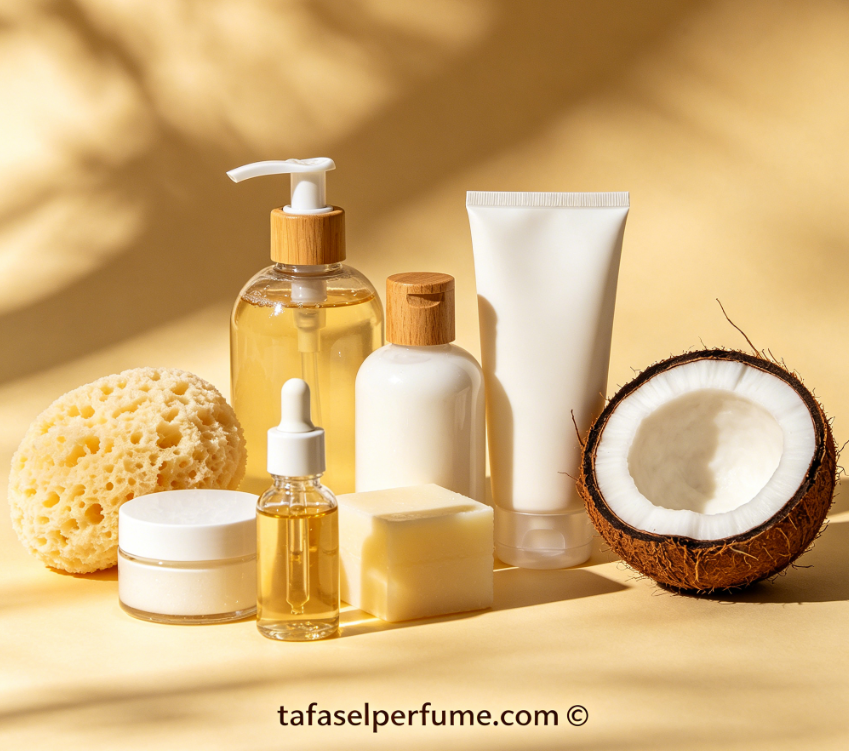
- Coconut Bath & Body: Tropical Hydration, Velvet Softness & Island Self-Care Rituals: Small introduction. Immerse yourself in the creamy, comforting universe of coconut bath and body — nature’s answer to parched skin, sun-kissed radiance, and silky-soft touch. From nourishing body butters to gentle foaming washes, coconut transforms daily rituals into an indulgent tropical escape.
Why coconut dominates modern bath & body rituals. Coconut oil, coconut milk, and coconut water are loaded with medium-chain fatty acids, vitamin E, and potent antioxidants. Unlike heavy mineral oils, coconut derivatives absorb deeply without clogging pores, making them ideal for dry, sensitive, or even combination skin. Whether you struggle with post-shower tightness, dull texture, or simply crave an aromatic fragrance that whispers of white sandy beaches, coconut-infused body care delivers lasting moisture plus a gentle, uplifting scent. This comprehensive guide explores the best coconut bath and body formats — from exfoliating scrubs and sulfate-free washes to whipped body soufflés — and helps you layer your routine like a pro. Prepare to fall in love with the most versatile ingredient in clean beauty: the humble, mighty coconut.
Scientific research highlights coconut oil’s ability to improve skin barrier function and reduce transepidermal water loss. Meanwhile, the natural antimicrobial properties keep skin calm and balanced. Combined with the sweet, nostalgic aroma that complements both floral and gourmand notes, coconut bath products have become a staple for spa lovers and minimalists alike.
Discover the power of coconut — jump to any section:
1. Whipped Coconut Body Butter: Deep Moisture Therapy 2. Coconut Milk Bath Soak: Sensitive Skin Sanctuary 3. Exfoliating Coconut Coffee Scrub: Polished & Glowing 4. Hydrating Coconut Shower Oil: Ultimate Dry Skin Rescue 5. Coconut & Vanilla Body Lotion: Everyday Gourmand Comfort 6. Coconut Water Refreshing Mist: Post-Sun & Travel Essential 7. Natural Deodorant with Coconut & Baking Soda: Gentle Freshness 8. Coconut Foaming Bath Bomb: Fizzy Island Escape1. Whipped Coconut Body Butter: Deep Moisture Therapy
Whipped coconut body butter is the gold standard for intense, lasting hydration. Unlike thin lotions, this rich emulsion combines virgin coconut oil, shea butter, and sometimes cocoa butter to create a fluffy, cloud-like texture that melts instantly upon skin contact. The high lauric acid content in coconut oil locks in moisture for up to 12 hours, while antioxidants fight free radicals. For best results, apply right after a warm shower when pores are open. Focus on elbows, knees, and heels — areas prone to extreme dryness. Many artisanal blends also incorporate essential oils like lavender or ylang-ylang, but the pure coconut version offers a soothing, non-irritating experience. Dermatologists often recommend unscented whipped coconut butter for eczema or psoriasis because it reinforces the natural lipid barrier without synthetic additives. To elevate your routine, store your body butter in a cool place; the whipped texture remains spreadable even in winter. Use daily for visible smoothness, reduced flaking, and a subtle tropical aroma that stays intimate, never overpowering.
Pair with a gentle Skin Care & Tools routine to enhance absorption. For an extra layer of radiance, mix a dab of whipped butter with your body highlighter.
2. Coconut Milk Bath Soak: Sensitive Skin Sanctuary
Coconut milk baths date back to ancient tropical wellness traditions, and for good reason. Coconut milk is packed with natural fats, proteins, and vitamins C, E, B1, B3, B5, and B6. When you dissolve coconut milk powder or pour fresh organic coconut milk into warm water, the result is a milky, calming soak that reduces redness, soothes itching, and leaves the entire body feeling like silk. Unlike bubble baths that often contain drying sulfates, coconut milk bath soaks are exceptionally gentle for conditions like contact dermatitis, sunburn recovery, or post-wax sensitivity. To amplify benefits, add a handful of epsom salts for muscle relief. For an at-home spa moment, light a candle and soak for 20 minutes — your skin will absorb medium-chain triglycerides that soften without greasiness. Many brands now combine coconut milk with colloidal oatmeal or calendula for extra calming action. For anyone with reactive skin, a weekly coconut milk bath transforms the shower into a therapeutic ritual. After soaking, pat dry lightly (don’t rub) to retain the lipid layer, then follow with a coconut-based body oil to seal everything in.
Complement your bath ritual with a gentle Women’s Perfume layering or explore Spa & Fragrance blends for the ultimate zen atmosphere.
3. Exfoliating Coconut Coffee Scrub: Polished & Glowing
When ground coffee meets coconut oil, the result is a cellulite-smoothing, circulation-boosting powerhouse. Exfoliating coconut coffee scrubs utilize finely ground arabica beans to slough off dead skin cells while coconut oil delivers deep hydration. The caffeine in coffee temporarily tightens and tones the skin’s appearance, making it a favorite for those who focus on thigh and abdomen texture. Meanwhile, the coconut oil prevents the abrasive scrub from stripping natural sebum. How to use: on damp skin in the shower, massage the scrub in circular motions toward the heart — this encourages lymphatic flow. Rinse thoroughly but leave a thin layer of coconut residue for moisture. Because coffee grounds can be messy, many eco-conscious brands now use biodegradable, fine-grade particles that dissolve slightly with heat. For best results, exfoliate twice weekly to prevent ingrown hairs, especially before applying self-tanner. The lingering scent of coffee + coconut is energizing yet comforting, turning your morning shower into a mini awakening ritual. Always store your scrub in a sealed container to keep the grounds dry and the oil stable.
Discover more about artisan body care through our Beauty Equipment and Perfume Brands sections for at-home luxury.
4. Hydrating Coconut Shower Oil: Ultimate Dry Skin Rescue
If your skin feels tight the second you step out of the shower, switch to a coconut-based shower oil. Unlike gel cleansers that can strip the acid mantle, shower oils combine gentle surfactants with a blend of coconut, grapeseed, or jojoba oils. As you massage the oil onto wet skin, it emulsifies into a lightweight milk that rinses clean without leaving a slippery film — yet the moisturizing effect remains. Coconut shower oil is especially transformative during winter or for mature skin, since it prevents transepidermal water loss. The fragrance is usually soft and natural; some formulas add a touch of lime or pineapple for a tropical twist. To use, pump directly onto hands or a soft konjac sponge, then apply all over. Shave with it too — the oil provides razor glide and reduces irritation. After patting dry, you might even skip traditional lotion because the oily residue already locks moisture. Look for formulas with fractionated coconut oil (which stays liquid at room temperature) and vitamin E. For extremely parched legs or arms, apply a second thin layer before bed. You’ll wake up with velvety, touchable skin.
Enhance your daily routine with Men’s Perfume or layer with Deodorant & Antiperspirant for complete freshness.
5. Coconut & Vanilla Body Lotion: Everyday Gourmand Comfort
Few scent combinations feel as comforting as coconut and vanilla. This body lotion marries the nutty, sun-warmed character of coconut with the sweet, creamy depth of bourbon vanilla. Beyond fragrance, the lotion base typically contains coconut water for hydration plus vanilla extract that provides antioxidants. It’s lightweight enough for daily use even in humid climates, absorbing within seconds but leaving the skin subtly scented for hours. Coconut & vanilla lotions often feature additional humectants like glycerin or aloe, making them perfect for normal to combination skin. Many users love to layer this lotion under a tropical perfume or simply wear it alone for a “my skin but better” aroma. Because vanilla has calming properties, applying this lotion before bed can feel like a warm hug. For the best experience, massage into still-damp limbs after a bath, focusing on collarbones and wrists where the fragrance diffuses naturally. Look for clean formulas without parabens or phthalates. Ideal for all genders who appreciate a soft, not overly sweet gourmand note.
Browse similar sensual fragrance concepts like ANGEL EDP Mugler: Cosmic Gourmand or 1 Million by Paco Rabanne for contrast and complement.
6. Coconut Water Refreshing Mist: Post-Sun & Travel Essential
Coconut water is nature’s electrolyte-rich hydrator, and when encapsulated in a facial and body mist, it becomes the ultimate refreshment for overheated, dehydrated skin. Coconut water mists often contain aloe vera, hyaluronic acid, and a touch of sea salt to mimic the skin’s natural hydration levels. Spritz it on after a day at the beach to calm sun-kissed shoulders, or use it as a mid-flight pick-me-up for parched airplane skin. Unlike heavy creams, a mist can be applied over makeup or directly onto freshly cleansed skin. The light, watery scent of coconut is never cloying — it’s clean, almost like fresh coconut meat rather than sweet syrupy notes. For a DIY version, combine pure coconut water (not from concentrate) with distilled water and a drop of vitamin E, then store in a glass spray bottle. Use within a week. Many commercial versions include soothing cucumber or chamomile. Pro tip: keep your mist in the fridge for an instant cooling sensation. Perfect for gym bags, office desks, and weekend getaways.
Complete your travel beauty kit with Mini Size & Gift Sets and explore Perfume Ranking & Top Lists for top-rated mists.
7. Natural Deodorant with Coconut & Baking Soda: Gentle Freshness
Switching to a natural deodorant often involves an adjustment period, but coconut-based formulas ease the transition. Coconut oil has natural antibacterial properties that combat odor-causing bacteria, while baking soda neutralizes pH and arrowroot powder absorbs wetness. Unlike aluminum-based antiperspirants, coconut deodorant allows your body to sweat naturally but without the stink. The skin on our underarms is delicate, and coconut oil’s fatty acids soothe post-shave irritation. Many formulas are scented with lime, tea tree, or simply left unscented. How to apply: use a pea-sized amount, warm between fingertips, and spread thinly. If you experience any redness (baking soda sensitivity), look for a baking-soda-free version with magnesium hydroxide. Coconut deodorant works best when you apply to completely dry armpits. Over time, users report softer, less pigmented underarm skin. It’s also biodegradable and often packaged in glass jars or paperboard tubes — a win for zero-waste goals. For high-intensity workouts, reapply mid-day, but overall, the coconut freshness keeps you confident without blocking pores.
Explore more body care innovations in our Beauty hub and Body Art section for creative undercare routines.
8. Coconut Foaming Bath Bomb: Fizzy Island Escape
For those who love sensory overload, coconut foaming bath bombs combine the fizz of citric acid and baking soda with coconut-derived surfactants that create pillowy foam. Unlike standard bath bombs that just color the water, foaming bombs produce layers of fragrant bubbles infused with coconut oil and coconut milk powder. Drop one into a warm bath and watch it whirl, releasing notes of toasted coconut, vanilla, and a hint of jasmine. Your skin emerges soft, subtly shimmering (if mica is included), and lightly scented. These bath bombs also make thoughtful gifts — they turn an ordinary soak into a tropical celebration. Many are enriched with shea butter to counteract potential drying from the fizz. For sensitive areas, check that the product doesn’t contain artificial dyes. After your coconut foam bath, there’s no need to rinse again; just towel off and enjoy the moisturizing residue. Perfect for relieving stress after a long week or creating a memorable date night at home. Store bath bombs in an airtight container to prevent premature fizzing due to humidity.
Discover complementary pampering products like Children & Baby’s Perfume for gentle family fun, or shop Perfume Gift Sets for the ultimate relaxation bundle.
Frequently Asked Questions about Coconut Bath & Body
While coconut oil is highly moisturizing, it has a comedogenic rating of 4 (on a 0-5 scale), meaning it may clog pores for some individuals. For acne-prone body skin, opt for fractionated coconut oil or products that combine coconut water instead of pure coconut oil. Alternatively, use coconut-based body washes that rinse off completely. Always patch test first.
Coconut is botanically a drupe (fruit), not a tree nut, but the FDA classifies it as a tree nut for labeling. Many people with tree nut allergies tolerate coconut without issue. However, consult your allergist first. Look for hypoallergenic coconut-derived ingredients like caprylic/capric triglyceride which are highly refined and usually safe.
For most skin types, 2–3 times per week is ideal. If you have sensitive skin, limit to once weekly. Over-exfoliating can compromise the skin barrier. Always follow with a coconut body butter or lotion to replenish lipids.
Yes. The lauric acid in coconut oil gently softens keratin buildup, while the emollient texture smooths rough bumps. For best results, combine a coconut-based lotion with a mild chemical exfoliant (like salicylic acid) a few times weekly. Many KP-specific creams include coconut oil as a base ingredient.
No scientific evidence suggests that coconut milk baths cause yeast infections. In fact, coconut oil has antifungal properties (candida-fighting). However, avoid adding sugar or honey to bath water, and don’t soak for extremely long periods if you are prone to vaginal irritation. Rinse with fresh water after the bath for extra safety.
DIY coconut scrubs and butters without preservatives last about 2-3 weeks at room temperature or up to 3 months if refrigerated. Commercial products contain antioxidants like vitamin E or rosemary extract to extend shelf life to 12–18 months. Always watch for rancid smell (old coconut turns sour).


