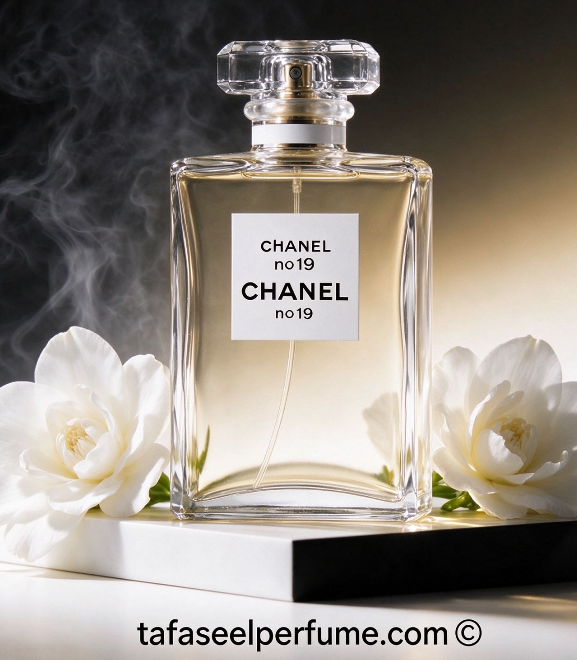
- Chanel No. 19: A Complete Guide to Its Green Floral Scent, Fragrance Notes, History, and Timeless Elegance: Chanel No. 19 is a distinctive classic fragrance known for its crisp green character, elegant floral heart, and sophisticated woody finish. Created as a contrasting expression within the Chanel fragrance collection, it appeals to people who appreciate refined, less conventional floral perfumes.
First introduced in 1970, Chanel No. 19 is named after August 19, the birthday of Gabrielle "Coco" Chanel. The fragrance is widely associated with a confident, independent style and a composition that balances fresh green notes with powdery florals and deeper woods. Its signature character is often linked to galbanum, a green aromatic material that gives the opening a sharp, leafy quality, alongside iris, rose, and woody elements. Over time, Chanel No. 19 has appeared in different concentrations and interpretations, including Eau de Toilette, Eau de Parfum, and the softer Poudré version. Each offers a different way to experience the fragrance's central identity. This guide explores the history, scent profile, fragrance development, available versions, wearing occasions, longevity, and buying considerations to help you decide whether Chanel No. 19 deserves a place in your collection.
Table of Contents
Discover the history behind the fragrance, the meaning of its name, and its place in the Chanel perfume collection.
2. What Does Chanel No. 19 Smell Like?
Explore its recognizable green floral character, from the crisp opening to its elegant powdery and woody dry-down.
3. Chanel No. 19 Fragrance Notes Explained
Understand the roles of galbanum, iris, rose, woods, and other aromatic elements in the fragrance experience.
4. Chanel No. 19 Eau de Toilette vs. Eau de Parfum
Compare the different concentrations and learn how their fragrance impressions and wearing experiences may differ.
5. What Is Chanel No. 19 Poudré?
Learn how the Poudré interpretation presents a softer, more powdery expression of the No. 19 fragrance identity.
6. Is Chanel No. 19 a Feminine or Unisex Perfume?
Explore its traditional positioning and why its green, floral, and woody structure can appeal to different fragrance preferences.
7. How Long Does Chanel No. 19 Last?
Understand the factors that influence longevity, projection, and the way the fragrance develops on skin.
8. When and Where Should You Wear Chanel No. 19?
Find out how its distinctive scent profile fits professional settings, daytime occasions, and more formal events.
9. Chanel No. 19 Compared with Other Classic Perfumes
See how its green floral identity differs from softer white florals, fresh fragrances, and warm oriental-style compositions.
10. How to Choose and Buy Chanel No. 19
Review bottle versions, product authenticity, storage, and practical buying tips before making a purchase.
11. Is Chanel No. 19 Worth Buying?
Consider its distinctive character, versatility, and appeal to fragrance enthusiasts before deciding whether it suits your collection.
1. What Is Chanel No. 19?
Chanel No. 19 is a classic women's fragrance introduced by the House of Chanel in 1970. It was created by perfumer Henri Robert and named in honor of Gabrielle Chanel's birthday, August 19. The fragrance became known for its distinctive green floral composition, offering a different direction from the softer, warmer, and more traditionally sweet perfumes that many people associate with classic feminine fragrance.
The number 19 also carries personal significance because it connects the perfume to the founder's identity and history. Rather than using a descriptive name based on flowers or ingredients, Chanel selected a number that reflects an important date. This gives the fragrance a simple but memorable identity within the brand's collection.
Chanel No. 19 is particularly recognizable for its green opening and elegant floral development. It combines fresh, slightly sharp aromatic impressions with a more refined floral heart and a structured woody base. The result is a perfume that can feel crisp, polished, and individual rather than overtly sweet or gourmand.
Its reputation has continued across generations because it offers a recognizable fragrance personality. People who enjoy classic perfumery, green notes, iris, and sophisticated floral compositions may find Chanel No. 19 especially interesting. It is not necessarily designed to please everyone immediately, but its distinctive character is a major part of its appeal.
2. What Does Chanel No. 19 Smell Like?
Chanel No. 19 is best described as a green floral fragrance with powdery, woody, and slightly earthy dimensions. Its opening is crisp and aromatic, often associated with freshly cut green leaves, stems, and the sharp freshness of galbanum. This green character gives the perfume an unmistakable personality and separates it from sweeter floral fragrances.
As the fragrance develops, floral notes become more noticeable. Iris contributes an elegant, powdery quality, while rose adds a classic floral dimension. These elements soften the sharper green opening without removing the fragrance's distinctive structure. The result is a balanced composition that feels floral but not excessively sweet.
The dry-down introduces a deeper and more grounded impression through woody and earthy elements. These notes help give the fragrance structure and a lasting sense of refinement. Depending on the concentration, skin chemistry, and surrounding conditions, the balance between green freshness, floral softness, and woody depth may be perceived differently.
Chanel No. 19 is not a typical sugary floral perfume. It does not rely on a dominant vanilla or fruity sweetness to create its appeal. Instead, it offers a more tailored and composed fragrance experience. If you enjoy classic floral scents but want something less conventional, you may also appreciate gardenia and white floral fragrances as another way to explore elegant floral compositions.
3. Chanel No. 19 Fragrance Notes Explained
The appeal of Chanel No. 19 comes from the contrast between its green aromatic opening, floral heart, and woody foundation. Understanding the main fragrance materials helps explain why the perfume smells different from many modern floral releases.
Galbanum: Galbanum is one of the most recognizable elements associated with Chanel No. 19. It provides a sharp, green, resinous impression that can resemble crushed leaves or freshly cut stems. This ingredient gives the fragrance much of its distinctive freshness and slightly assertive opening.
Iris: Iris is known for its refined, powdery, and sometimes earthy character. In a fragrance composition, iris can create a smooth transition between bright green notes and deeper base materials. Its presence contributes to the elegant and composed impression of Chanel No. 19.
Rose: Rose adds a familiar floral dimension to the composition. Rather than making the fragrance feel sugary or romantic in a conventional way, it helps balance the sharper green elements with a more traditional floral character.
Woody notes: Woody materials provide depth and structure. They help the fragrance move beyond its initial freshness and create a more grounded dry-down. This contributes to the perfume's polished and mature character.
Other aromatic elements: Classic fragrances are built from combinations of natural materials and aroma compounds. The overall impression depends on how these materials interact rather than on one ingredient alone. For that reason, the scent should be understood as a complete composition, not simply a list of individual notes.
Fragrance descriptions can vary between different Chanel No. 19 concentrations and editions. Always check the product description for the specific version you are buying rather than assuming every bottle has an identical formula or scent balance.
4. Chanel No. 19 Eau de Toilette vs. Eau de Parfum
Chanel No. 19 has been offered in different concentrations, including Eau de Toilette and Eau de Parfum. Although they share the same central fragrance identity, they should not automatically be treated as identical products. Concentration, formula adjustments, and the balance of aromatic materials can influence the way each version smells and performs.
Chanel No. 19 Eau de Toilette: The Eau de Toilette version is often associated with a crisp and expressive green floral impression. Its fresh character can make it appealing to people who enjoy a more direct presentation of the fragrance's leafy and aromatic qualities. It may be particularly attractive to those who prefer a lighter-feeling application.
Chanel No. 19 Eau de Parfum: The Eau de Parfum interpretation may feel more rounded and concentrated, with a different balance between the green, floral, and woody aspects. Some wearers may find it more pronounced or substantial, although individual performance can vary.
Which should you choose? The best option depends on your scent preference rather than concentration alone. If you enjoy a crisp green impression, explore the Eau de Toilette. If you prefer a more developed fragrance experience, compare the Eau de Parfum on skin before deciding.
When shopping, make sure the listing clearly identifies the concentration and bottle size. Prices can vary considerably between versions, especially when older or less readily available bottles are involved. Sampling both versions is the most reliable way to understand which interpretation suits you.
5. What Is Chanel No. 19 Poudré?
Chanel No. 19 Poudré is a softer interpretation of the No. 19 fragrance identity. It maintains a connection with the original's elegant floral direction while emphasizing a smoother, powderier impression. The word "Poudré" refers to a powdery character, which helps distinguish this version from the sharper green impression commonly associated with the original Chanel No. 19.
The powdery quality can make the fragrance feel softer and more enveloping. Rather than focusing primarily on the crisp, leafy effect of galbanum, this interpretation offers a more delicate approach to floral and powdery textures. It may appeal to people who admire the Chanel No. 19 name but prefer a gentler fragrance profile.
It is useful to think of Poudré as a related interpretation rather than a simple replacement for the original. The two versions serve different preferences. Someone who loves the assertive green character of the classic fragrance may prefer the original, while someone looking for a softer and more powdery scent may find Poudré more comfortable.
Before buying, compare the exact product name and concentration. Fragrance listings can sometimes use shortened titles, making it easy to confuse different editions. Checking the bottle label and official product description helps ensure that you receive the version you actually want.
6. Is Chanel No. 19 a Feminine or Unisex Perfume?
Chanel No. 19 has traditionally been marketed as a women's fragrance. Its identity is closely connected with classic feminine perfumery, particularly through its floral heart and elegant presentation. However, fragrance preferences are personal, and the green, woody, and aromatic qualities may appeal to people of different genders.
The perfume does not rely exclusively on sweet or traditionally delicate floral notes. Its green opening gives it a sharper and more structured character, while its woody elements provide depth. These qualities can make it interesting to anyone who enjoys sophisticated green fragrances, regardless of how the product is marketed.
There is no universal rule that determines who can wear a particular fragrance. Some people prefer fragrances categorized as feminine, masculine, or unisex, while others choose entirely according to scent. The most important question is whether the fragrance feels comfortable and appropriate for your own style.
If you enjoy exploring fragrances outside traditional gender categories, browse the unisex perfume collection. It offers another perspective on fragrance selection based on scent preferences rather than conventional labels.
7. How Long Does Chanel No. 19 Last?
The longevity of Chanel No. 19 depends on the concentration, the amount applied, skin chemistry, climate, and storage condition. Eau de Parfum and Eau de Toilette can perform differently, but concentration alone does not guarantee a specific number of hours. Individual experiences may vary considerably.
Skin type can influence how a fragrance develops and how long it remains noticeable. Fragrance may seem to fade more quickly on some skin, while clothing or certain fabrics may retain an aroma for longer. Temperature and humidity can also change how quickly aromatic materials evaporate and how strongly the scent is perceived.
Projection is different from longevity. Projection describes how far the fragrance can be noticed by people nearby, while longevity refers to how long it remains detectable. A perfume may stay close to the skin for several hours without creating a strong scent trail. This distinction is important when evaluating a fragrance for work or shared indoor spaces.
To get a realistic impression, apply the perfume according to its instructions and observe how it develops over several hours. Avoid repeatedly spraying simply because you have become accustomed to the scent. This can lead to overapplication, especially with a distinctive fragrance like Chanel No. 19.
8. When and Where Should You Wear Chanel No. 19?
Chanel No. 19 can be a suitable choice for people who enjoy polished, distinctive fragrances in professional and social settings. Its green floral structure gives it a composed character that may work well during the day, particularly when applied moderately. It can also be worn for more formal occasions by people who appreciate classic perfumery.
Office and professional settings: A light application may provide an elegant personal fragrance without overwhelming a shared space. Because the scent has a recognizable green character, it is sensible to start with a small amount and adjust according to the environment.
Daytime wear: Its fresh green opening can feel especially appealing during daytime activities. People who prefer crisp, structured fragrances may find it a distinctive alternative to sweet or fruity perfumes.
Formal occasions: Chanel No. 19's classic character can complement tailored clothing and more formal personal style. Its refined floral and woody development can feel appropriate for events where a sophisticated fragrance is preferred.
Seasonal use: Many wearers may enjoy its green character during spring and autumn, although fragrance seasonality is subjective. It can also be worn throughout the year if the scent suits the climate and the wearer's preferences.
If you prefer lighter fragrances for warm weather, you can compare its character with the options discussed in summer colognes. These often emphasize fresh, airy, aquatic, or citrus notes rather than the structured green floral character of Chanel No. 19.
9. Chanel No. 19 Compared with Other Classic Perfumes
Chanel No. 19 stands apart from many classic perfumes because of its prominent green character. While some traditional floral fragrances focus on soft rose, white flowers, powder, or sweetness, Chanel No. 19 creates a more complex contrast between sharp green notes and elegant florals.
Compared with a traditional white floral fragrance, Chanel No. 19 may feel less creamy and more leafy or aromatic. White floral compositions often emphasize flowers such as gardenia, jasmine, or tuberose, creating a different kind of floral presence. Chanel No. 19's green structure gives it a more sharply defined opening.
Compared with a warm amber or vanilla fragrance, it is generally less focused on sweetness and richness. Warm compositions may use resinous materials, vanilla, spices, and woods to create a cozy effect. Chanel No. 19 instead emphasizes freshness, floral elegance, and green aromatic contrast.
For a different floral direction, consider reading about women's Lancôme perfumes. Comparing fragrance styles can help you understand whether you prefer the green structure of Chanel No. 19 or a softer, more traditionally floral composition.
Another useful comparison is Lady Stetson perfume, which offers a different classic floral direction. Exploring contrasting compositions is often more useful than comparing fragrances based only on brand prestige or price.
10. How to Choose and Buy Chanel No. 19
Buying Chanel No. 19 requires attention to the exact fragrance version, bottle condition, concentration, and seller. Because the perfume has a long history and has appeared in different formats, shoppers should confirm which edition they are purchasing before comparing prices.
Identify the version: Decide whether you want the original Eau de Toilette, Eau de Parfum, or Poudré interpretation. These products have related identities but different fragrance characteristics. Do not rely on a shortened listing title alone.
Check the bottle size: Compare the volume in milliliters and calculate the price per milliliter when evaluating different sizes. A larger bottle may offer better value, but only if you enjoy the fragrance enough to use it.
Buy from reputable sellers: Established fragrance retailers and authorized sellers generally provide clearer product information and customer service. When buying through a marketplace, check the seller's history, reviews, return policy, and product photographs.
Inspect packaging and condition: For older bottles, check whether the product is sealed or opened, whether the packaging is damaged, and whether the seller provides clear photographs. Storage conditions matter because prolonged exposure to heat, sunlight, and air can affect fragrance quality.
Be careful with unusually low prices: A price that is significantly below comparable listings deserves further investigation. Check the seller's credibility and product details rather than assuming that every discount is genuine.
If you are interested in fragrance shopping more broadly, the best fragrances guide can help you explore other popular scents and compare different fragrance styles before making a purchase.
11. Is Chanel No. 19 Worth Buying?
Chanel No. 19 can be worth buying if you appreciate green floral fragrances and want something with a distinctive classic identity. Its appeal lies in the contrast between crisp aromatic notes, refined florals, and a structured woody finish. It offers a different experience from perfumes built primarily around sweetness, fruitiness, or creamy vanilla.
However, its character may not suit every fragrance preference. People who prefer soft, sugary, or uncomplicated floral perfumes may find the green opening too sharp or unusual. This is not necessarily a weakness; it is part of what makes the fragrance recognizable. The best way to decide is to test it on skin and give it enough time to develop.
It is also worth considering how often you would wear it. A fragrance that fits your everyday style may offer more practical value than a bottle purchased mainly because of its reputation. Think about the scent, concentration, bottle size, and price together rather than focusing on the Chanel name alone.
For collectors of classic perfumery, Chanel No. 19 offers an important example of a green floral fragrance with a strong identity. For newer fragrance enthusiasts, it can be an opportunity to explore a style that differs from many contemporary sweet and gourmand releases.
Frequently Asked Questions About Chanel No. 19
1. What is Chanel No. 19 famous for?
Chanel No. 19 is famous for its distinctive green floral composition, particularly its crisp galbanum character, elegant iris, and woody development. It is also recognized as a classic Chanel fragrance introduced in 1970 and named after Gabrielle Chanel's birthday.
2. Who created Chanel No. 19?
Chanel No. 19 was created by perfumer Henri Robert. It was introduced by the House of Chanel in 1970 and became known for its distinctive green floral style.
3. Why is it called Chanel No. 19?
The fragrance is named after August 19, the birthday of Gabrielle "Coco" Chanel. The number connects the perfume to the founder's personal history and gives it a distinctive identity within the Chanel collection.
4. What does Chanel No. 19 smell like?
It smells green, floral, powdery, and woody. The opening is often described as crisp and leafy, with galbanum providing a recognizable green effect. Iris and rose contribute floral refinement, while woody elements add depth.
5. Is Chanel No. 19 a strong perfume?
Its perceived strength depends on the concentration, application amount, and individual sensitivity to fragrance. The green opening can feel quite distinctive, but projection and longevity vary between wearers and versions.
6. What is the difference between Chanel No. 19 Eau de Toilette and Eau de Parfum?
Both share the central No. 19 identity, but their concentrations and fragrance balances differ. The Eau de Toilette is often associated with a crisp green impression, while the Eau de Parfum may feel more rounded. Testing both versions is the best way to compare them.
7. What is Chanel No. 19 Poudré?
Chanel No. 19 Poudré is a softer interpretation of the fragrance. It emphasizes a powdery floral impression while maintaining a connection with the original No. 19 identity. It may appeal to people who prefer a gentler scent profile.
8. Is Chanel No. 19 suitable for everyday wear?
Yes, it can be worn every day by people who enjoy its green floral character. A moderate application may work well in professional and casual environments. Personal preference and the setting should determine how much you apply.
9. Is Chanel No. 19 suitable for summer?
Some people enjoy its green freshness in warmer weather, while others may prefer lighter citrus or aquatic fragrances. The best choice depends on how the fragrance develops on your skin and how strong you prefer your perfume to feel in heat.
10. Is Chanel No. 19 a unisex fragrance?
It has traditionally been marketed as a women's fragrance, but its green, floral, and woody composition may appeal to anyone who enjoys that scent profile. Fragrance preferences are personal and do not need to follow traditional gender categories.
11. Does Chanel No. 19 smell old-fashioned?
Some people may associate its structured green floral style with classic perfumery, especially when comparing it with modern sweet or fruity fragrances. Others appreciate that same character as timeless, elegant, and distinctive. Whether it feels old-fashioned depends on personal taste.
12. How long does Chanel No. 19 last?
Longevity varies according to concentration, skin chemistry, application, and environmental conditions. Eau de Parfum and Eau de Toilette may perform differently. Test the specific version to understand how it develops and how long you can detect it.
13. Is Chanel No. 19 discontinued?
Availability can vary by concentration, edition, and market. Do not assume that every Chanel No. 19 product is discontinued simply because a particular bottle is difficult to find. Check Chanel's current product information and reputable retailers for the latest availability.
14. How can I tell if Chanel No. 19 is authentic?
Purchase from reputable sellers and examine the packaging, bottle, labels, and product information. Check the seller's reputation and return policy. Batch codes can be useful for identification but should not be treated as conclusive proof of authenticity.
15. Should I buy Chanel No. 19 without testing it?
Testing is recommended because the green galbanum character can be distinctive and may not suit everyone. Try the fragrance on skin, allow it to develop, and compare the different concentrations before committing to a full-size bottle.
16. Is Chanel No. 19 a good gift?
It can be an excellent gift for someone who enjoys classic fragrances, green floral compositions, and Chanel's perfume heritage. However, its distinctive scent makes it a more personal choice than a simple crowd-pleasing fragrance. If possible, learn about the recipient's preferences before buying.
17. How should Chanel No. 19 be stored?
Keep the bottle in a cool, dry place away from direct sunlight, heat, and significant temperature changes. Close the cap securely after use. Proper storage can help reduce unnecessary exposure to conditions that may affect fragrance quality over time.
18. Is Chanel No. 19 worth the price?
It may be worth the price for people who appreciate its distinctive composition, classic history, and refined green floral character. Value depends on personal enjoyment, bottle size, concentration, and the price offered by a reputable seller. Testing before buying can help avoid an expensive mismatch.
Final Thoughts on Chanel No. 19
Chanel No. 19 remains an important fragrance for people who appreciate classic green floral perfumery. Its crisp galbanum opening, elegant iris and rose elements, and woody foundation create a recognizable scent that stands apart from sweeter and more conventional floral perfumes. Its history, distinctive name, and different interpretations have helped maintain its place in the world of designer fragrance.
Whether you choose the Eau de Toilette, Eau de Parfum, or Poudré version, the most important consideration is how the fragrance develops on your own skin. Compare the different concentrations, check the exact product details, and purchase from a reputable seller. If you enjoy refined green notes and a confident floral style, Chanel No. 19 is a classic fragrance worth discovering.


