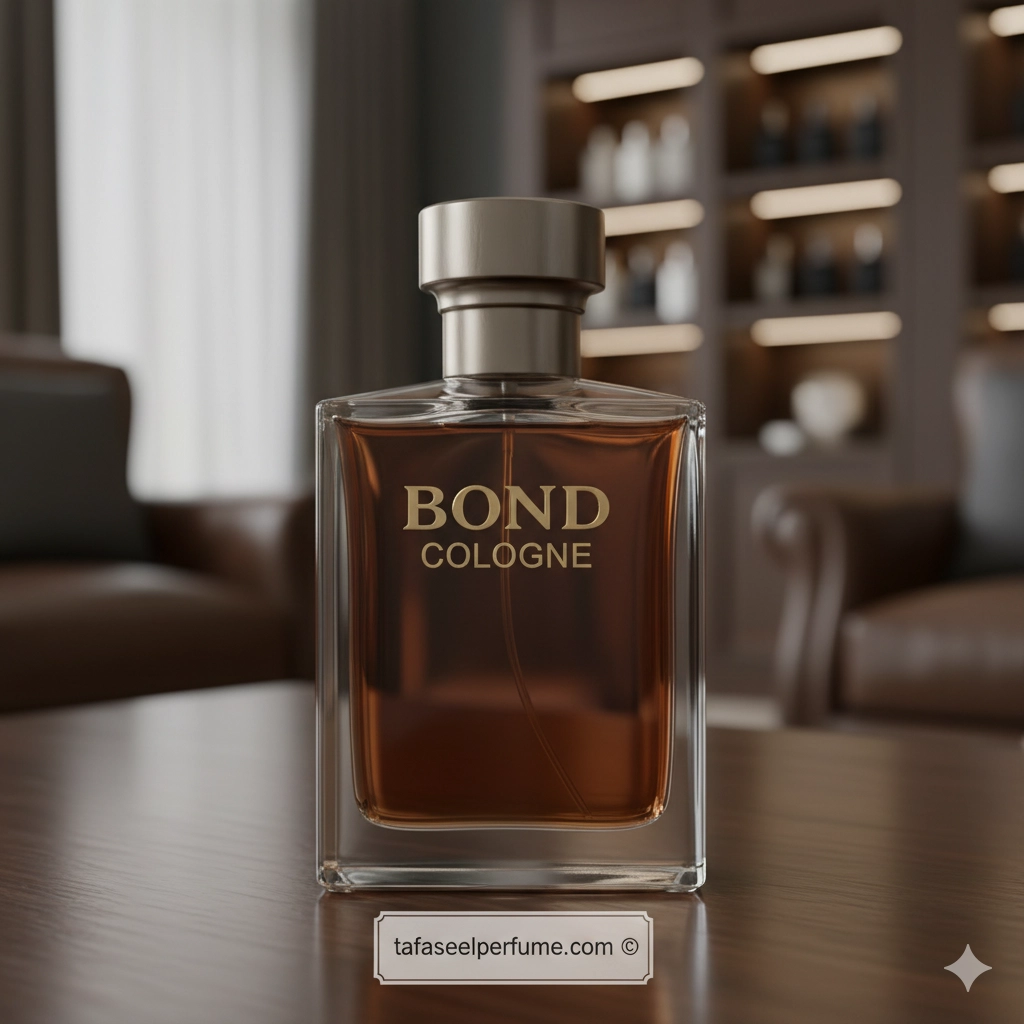
- Bond Cologne: A Practical Guide to Choosing, Wearing, and Caring for Your Signature Scent: Short introduction: Bond Cologne is a contemporary approach to masculine fragrance — blending classic structure with modern twists. This guide explains what Bond-style colognes are, how to choose one, and how to make it work for your lifestyle.
Long introduction: Bond Cologne refers broadly to colognes inspired by the refined, confident aesthetic often associated with classic gentlemen’s grooming — think crisp top notes, elegant heart accords, and a measured, lingering base. Whether you’re searching for an everyday office option or a bold evening signature, understanding concentration, seasonality, projection, and longevity will help you pick a Bond Cologne that fits your wardrobe and routines. Below you’ll find a structured set of topics (navigation links), in-depth sections that expand each topic, and an FAQ section answering common buyer and wearability questions. Throughout the article a selection of related perfume resources is naturally referenced to help you explore further.
1. What Is “Bond” Style Cologne?
Brief: Definition and history, with a nod to modern trends and related resources such as reviews and brand histories like CreedPerfume: Discover the Legacy.
2. Concentration and Performance: Eau de Cologne vs Eau de Toilette vs Eau de Parfum
Brief: How concentration affects strength, longevity, and appropriate use — see practical buying guides and deal roundups such as Top Perfumes Deals You Should Not Miss in 2025.
3. Choosing Notes: Citrus, Aromatic, Woody, and Oriental
Brief: Matching scent families to personality and season, including references to brand profiles like Discovering the Essence of Luxury: Coach Perfume.
4. When and How to Wear Bond Cologne
Brief: Day vs night, office etiquette, and layering techniques. For context on layering and product types, consult resources on perfume structure such as Understanding the Levels of Perfume: A Complete Guide.
5. Application Technique and Longevity Hacks
Brief: Pulse points, hydration, storage, and complementary grooming products; cross-reference specialty releases like Club de Nuit Intense Man 200ml — The Definitive Guide.
6. Buying Smart: Sampling, Decants, and Identifying Authenticity
Brief: Best practices for trialing before purchase and avoiding counterfeits — see comparative guides and brand reputation summaries such as Why Is Lancôme Idôle Perfume Considered a Modern Icon?.
7. Signature Bond Cologne Matches for Different Occasions
Brief: Suggested scent profiles for work, date night, formal events, and travel. Additional inspiration from niche-to-mainstream brand collections like Maison Paris Perfume.
1. What Is “Bond” Style Cologne?
Detailed explanation: “Bond” style cologne is less a single formula and more an aesthetic: restrained elegance, clarity of composition, and a balanced trail that projects confidence without overpowering. Historically, colognes worn by well-dressed gentlemen emphasized citrus or aromatic top notes for a bright opening, floral or spicy heart notes for character, and woody or musky bases to anchor longevity. Contemporary interpretations retain those elements but may introduce gourmand nuances, modern synthetic musk bases, or smoky accords for complexity. When evaluating a Bond-style cologne, listen for three things: clarity (can you identify the layers?), balance (do the notes sit well together across time?), and refinement (does it smell crafted rather than slapped together?).
From a practical standpoint, Bond colognes excel at occasions requiring understated polish — board meetings, receptions, or dinners — because they complement attire rather than compete with it. Selecting a Bond-style scent often involves testing multiple concentrations (edc, edt, edp) and paying close attention to the base: oakmoss, sandalwood, vetiver, and amber-balsam elements tend to provide the warm finish classic to the style.
2. Concentration and Performance: Eau de Cologne vs Eau de Toilette vs Eau de Parfum
Detailed explanation: Fragrance concentration determines how much perfume oil sits in the solvent and thus influences projection and longevity. Eau de Cologne (EdC) typically contains the lightest concentration (around 2–5% perfume oil) and offers a bright, ephemeral presence suitable for hot weather or quick refreshes. Eau de Toilette (EdT) often ranges 5–15% and is a common all-day format that balances projection and subtlety — many Bond-inspired options are EdTs for their approachable sillage. Eau de Parfum (EdP) ranges 15–20% (or more) and provides the strongest presence and longest wear time; choose an EdP when you need endurance for evening wear or long travel days.
Performance is also shaped by formulation: the volatility of top notes (citrus, light herbs) gives a quick impression, heart notes (floral, aromatic) form the body, and base notes (woods, resins, musks) determine longevity. For a Bond cologne that reads as “refined,” prefer a formula where the base is noticeable without dominating — this is where experienced perfumers use fixatives and modern musks to craft an elegant drydown. If cost or stealth is a concern, explore decants and edc/edt concentrations before committing to full bottles.
3. Choosing Notes: Citrus, Aromatic, Woody, and Oriental
Detailed explanation: Note selection is the vocabulary of personal scent. For a Bond cologne, the most common and effective families are:
Citrus & Aromatic: Lemon, bergamot, neroli, lavender, rosemary — bright, clean openings ideal for daytime and warm climates.
Woody & Aromatic: Vetiver, cedar, sandalwood — structured, versatile, and often perceived as mature and reliable.
Oriental & Spicy: Cardamom, cinnamon, amber, labdanum — warmer, more sensual options suited for evening or cooler months.
Selecting the right family depends on image and seasonality. A youthful, active persona may lean citrus-aromatic; a corporate or formal wardrobe benefits from woody-aromatic classics; date-night or statement wear leans toward oriental-spicy blends. When in doubt, seek samples that showcase the drydown: that’s typically where a Bond cologne reveals its true character.
4. When and How to Wear Bond Cologne
Detailed explanation: Timing and context are essential. For office environments, choose a moderate EdT with subtle projection and apply sparingly — one or two spritzes to pulse points (wrists, inner elbow, chest) is usually enough. For formal events, an EdP with richer base elements will last through dinners and ceremonies. Casual daytime wear benefits from lighter EdC or fresher EdT options.
Layering can extend wear and nuance: use a lightly scented body lotion first (unscented if you prefer subtlety), then apply cologne. Avoid over-applying; strong scent can be distracting in enclosed spaces. Consider environmental cues: in hot, humid climates, lighter citrus or aquatic Bond interpretations are preferable; in cool, dry weather opt for richer woods and resins to prevent the scent from becoming thin.
5. Application Technique and Longevity Hacks
Detailed explanation: Proper application maximizes both enjoyment and economy. Apply to pulse points that are slightly warm because heat amplifies scent: wrists, inner elbows, and the chest. Refrain from rubbing wrists together — that distorts the molecular structure and shortens the intended evolution. For longer lasting effect, lightly mist clothing from a distance (test first; some fragrances can mark fabrics) or spray the hair (hair holds scent longer but use sparingly to avoid oil build-up).
Storage matters: keep bottles upright in a cool, dark place away from direct sunlight. Warm, fluctuating temperatures accelerate degradation. For travel, decants preserve originals and let you trial several Bond-style options without bulk. Finally, pair fragrance with grooming: clean, moisturized skin holds scent better; consider an unscented moisturizing base to enhance longevity.
6. Buying Smart: Sampling, Decants, and Identifying Authenticity
Detailed explanation: Purchase strategy reduces risk. Start with samples or decants to observe a fragrance across its full life cycle. Many retailers and reputable independent decant sellers offer small volumes for a fraction of bottle price. When buying full bottles, prioritize authorized retailers or brand boutiques to avoid counterfeits. Check batch codes, packaging quality, and compare scent against verified reviewer samples. If shopping deals, consult curated deal roundups and brand retrospectives to understand typical retail patterns and authentic price ranges.
For collectors, provenance matters: limited editions or special releases tied to a maison’s history can carry premium value but also variance in formulation. Read technical notes and user reviews, but make final judgment based on personal wear tests — skin chemistry alters perception significantly.
7. Signature Bond Cologne Matches for Different Occasions
Detailed explanation: Curating a small wardrobe of colognes enables confident selection by occasion. Consider a three-bottle capsule:
Daytime / Office: A bright citrus-aromatic EdT with moderate projection — clean, professional, and unintrusive.
Evening / Formal: A warm woody-oriental EdP or richer EdT with a velvet drydown — noticeable but not theatrical.
Casual / Weekend: A relaxed aromatic fougère or fresh woody cologne for active, social settings. Travel with decants and rotate to suit destinations and climates. Over time, you’ll recognize which notes align with compliments and comfort; that is the essence of a personal Bond signature.
FAQ 1: What exactly makes a cologne “Bond” cologne?
Answer: The term denotes an aesthetic: composed, well-balanced fragrances that favor elegance and restraint. They often combine clean top notes with a sophisticated base and avoid overly trendy or synthetic-forward loudness. It’s about polish rather than novelty.
FAQ 2: How many sprays should I apply?
Answer: For EdT: 1–3 spritzes on pulse points. For EdP: 1–2 spritzes are often sufficient due to higher concentration. Adjust according to environment and bottle performance.
FAQ 3: Can I wear Bond cologne year-round?
Answer: Yes, but adapt the specific scent family to seasons: lighter citrus/aromatic in spring/summer, richer woody/oriental in fall/winter for best harmony and longevity.
FAQ 4: What should I do if a fragrance turns sour on my skin?
Answer: Skin chemistry varies. Try applying on different parts (clothes vs skin) or sample other concentrations. If persistent, the specific notes may not suit you; sample alternatives within the same family.
FAQ 5: Are higher concentrations always better?
Answer: Not necessarily. Higher concentration increases longevity and projection, but it can also change balance and become overpowering in close quarters. Choose concentration by context and personal preference.
FAQ 6: How should I store my Bond cologne collection?
Answer: Store bottles upright in a cool, dark, stable environment — away from heat sources and sunlight. Original boxes help reduce light exposure; decant small travel bottles as needed.
FAQ 7: Where can I learn more and find deals or brand histories?
Answer: Explore trusted perfume articles and brand guides to compare formulations, read reviews, and find seasonal deals. For example, curated articles on collector houses and deal roundups provide helpful background and purchasing windows — see resources like Creed franchise articles, seasonal deals lists, and maison profiles linked earlier in this guide.


