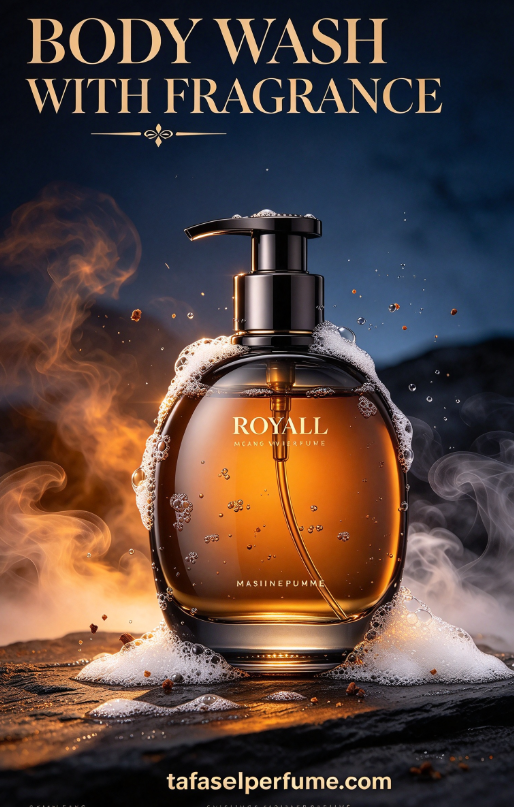
- Body Wash with Fragrance: The Ultimate Guide to Scented Cleansing & Long-Lasting Freshness: Short Intro: Body wash with fragrance transforms your daily shower into a sensorial escape. This guide explores how scented body washes work, why they matter, and how to choose the best fragrant cleanser for your skin type and mood.
Long Intro: A body wash with fragrance is more than just soap—it is a blend of surfactants, skin conditioners, and carefully crafted perfume oils that cleanse while leaving a subtle trail of scent on your skin. Whether you prefer fresh citrus, warm vanilla, or exotic florals, the right fragrant body wash can boost your mood, complement your perfume, and keep you smelling great all day. In this article, we dive deep into the world of scented body washes: how they interact with your skin, how to layer them with other fragranced products, and which ingredients to look for. We also answer common questions about sensitivity, longevity, and application techniques. By the end, you will know exactly how to pick a body wash with fragrance that suits your lifestyle and turns a mundane routine into a luxurious ritual.
1. What Makes a Body Wash with Fragrance Different?
2. How to Choose the Right Scent for Your Skin Type
3. The Art of Fragrance Layering: Body Wash to Perfume
4. Top Fragrance Families for Body Wash
5. Ingredients to Avoid if You Have Sensitive Skin
6. Do Scented Body Washes Actually Last on Skin?
7. Men vs. Women: Scent Preferences in Body Wash
8. Body Wash with Fragrance for Athletes and Active Lifestyles
9. Eco-Friendly and Natural Fragranced Body Washes
10. How to Make Your Own Fragrant Body Wash at Home
11. The Psychology of Scent: Why Fragrance Matters in the Shower
12. Common Myths About Scented Body Wash Debunked
1. What Makes a Body Wash with Fragrance Different?
A body wash with fragrance is formulated with a higher concentration of perfume oils and aroma compounds compared to unscented or lightly scented cleansers. These fragrances are typically encapsulated or blended into the surfactant base to release gradually during lathering and after rinsing. Unlike bar soap, which can leave a film, a well-made fragrant body wash uses mild surfactants like cocamidopropyl betaine and sodium lauroyl isethionate to cleanse without stripping natural oils. The fragrance itself can be a simple single note (e.g., lavender) or a complex accord designed by perfumers. Many brands also add essential oils, which offer both scent and potential aromatherapy benefits. When you use a body wash with fragrance, the scent can cling to your skin for hours, especially if you follow with a matching lotion or perfume. For those who love to smell good from head to toe, this product category is indispensable. You can explore related fragranced products like Fragrance Gels or Spa & Fragrance to enhance the experience.
2. How to Choose the Right Scent for Your Skin Type
Your skin type plays a major role in how a body wash with fragrance performs. Oily skin can handle richer, heavier scents like amber or musk because the oils bind well to excess sebum. Dry skin, on the other hand, benefits from creamy, moisturizing formulas with softer notes such as vanilla, almond, or coconut, as these can help mask the lack of natural oils. Sensitive skin requires extra caution: look for body washes labeled “hypoallergenic” or “dermatologist-tested,” and choose light, fresh scents like cucumber or green tea. If you have eczema or rosacea, you may want to avoid synthetic fragrances altogether and opt for naturally derived essential oils. Remember that hot water opens pores and can intensify fragrance perception, so a scent that seems mild in the bottle may become overpowering in the shower. Always patch-test a new body wash with fragrance on your inner arm before full use. For more guidance on skin-friendly beauty, visit Skin Care & Tools(facial).
3. The Art of Fragrance Layering: Body Wash to Perfume
Fragrance layering is the secret to making your scent last all day. Start with a body wash with fragrance that shares notes with your favorite perfume. For example, if your perfume is a floral bouquet, choose a body wash with jasmine or rose. After showering, apply a matching body lotion or cream while skin is still damp to lock in moisture and scent. Then spritz your perfume on pulse points: wrists, neck, behind ears, and knees. The body wash acts as a base note, while the perfume provides the top and heart notes. This technique not only prolongs longevity but also creates a unique, personalized aroma. Many luxury brands now offer complete layering sets, including Perfume Gift Sets that contain shower gel, lotion, and eau de parfum. If you prefer unisex scents, check out Unisex Perfume options that pair beautifully with gender-neutral body washes.
4. Top Fragrance Families for Body Wash
Fragrance families help you navigate the overwhelming choices in body wash. The main families are: Citrus (lemon, bergamot, orange) – energizing and great for morning showers; Floral (rose, lavender, peony) – romantic and soothing; Woody (sandalwood, cedar, vetiver) – grounding and masculine or unisex; Oriental/Amber (vanilla, musk, patchouli) – warm and sensual, ideal for evening; Fresh (oceanic, green, aquatic) – clean and sporty. Within each family, you will find countless variations. For a deep dive into specific scents, explore Women's Perfume and Men's Perfume sections, as many perfumes have matching body washes. Also, don't overlook Children & Baby's Perfume for gentle, kid-friendly fragranced washes.
5. Ingredients to Avoid if You Have Sensitive Skin
If your skin reacts easily, you need to read labels carefully. Common irritants in body wash with fragrance include: Phthalates (used to make scents last longer), Parabens (preservatives), Sulfates (SLS and SLES, which can strip skin), and Synthetic dyes (like FD&C colors). Also watch out for limonene, linalool, and citronellol—natural components of essential oils that can cause allergies in some people. Instead, look for body washes with glycerin, aloe vera, oat extract, and shea butter as base ingredients. Fragrance-free does not mean unscented; some “unscented” products contain masking fragrances. For truly sensitive skin, choose products labeled “fragrance-free” and patch-test. You can find gentle options in the Aesthetic medicine and Beauty Equipment categories, which often include dermatologist-recommended cleansers.
6. Do Scented Body Washes Actually Last on Skin?
Yes, but longevity depends on several factors. The concentration of fragrance oils, the type of surfactants, and your skin's pH all matter. Body washes with fragrance that contain encapsulated scent technology release perfume slowly as you move and sweat, making the scent last up to 8 hours. However, if you rinse thoroughly with very hot water, you may wash away more of the fragrance. To maximize staying power, use a loofah or washcloth to work the lather into your skin, then rinse with lukewarm water. Follow immediately with a matching body mist or lotion. Some people also apply a thin layer of petroleum jelly or unscented moisturizer before spritzing perfume to anchor the scent. Keep in mind that dry skin holds fragrance less well than oily skin, so moisturizing is key. For best results, pair your body wash with products from Body Art or Nail Supplies that complement your scent profile.
7. Men vs. Women: Scent Preferences in Body Wash
While scent preference is highly personal, market research shows some general trends. Men often gravitate toward woody, spicy, and aquatic notes like cedar, bergamot, and sea salt. Women more frequently choose floral, fruity, and gourmand scents such as rose, berry, and vanilla. However, these lines are blurring. Many men now enjoy floral or sweet body washes, and women increasingly opt for woody or unisex fragrances. The rise of Unisex Perfume reflects this shift. When choosing a body wash with fragrance, ignore gendered marketing and focus on what smells good on your skin. Test different families and see which ones earn compliments. You might also explore Men's Perfume and Women's Perfume to find matching scents for layering.
8. Body Wash with Fragrance for Athletes and Active Lifestyles
After a tough workout, a body wash with fragrance can do more than clean—it can revive your senses and neutralize odor. Look for body washes with antibacterial ingredients like tea tree oil or eucalyptus, combined with fresh, invigorating scents. Citrus and mint are popular choices because they feel cooling on heated skin. Avoid heavy, cloying fragrances that can become overwhelming when mixed with sweat. Instead, choose light, clean scents like grapefruit, cucumber, or ocean breeze. Many sport brands offer body washes with menthol for a tingling sensation. If you shower at the gym, consider a Mini Size & Gift Sets body wash that fits easily in your gym bag. Also, a Deodorant & Antiperspirant with a matching scent can extend freshness throughout the day.
9. Eco-Friendly and Natural Fragranced Body Washes
Consumers are increasingly demanding sustainable, cruelty-free, and naturally fragranced body washes. Look for certifications like Leaping Bunny, ECOCERT, or USDA Organic. Natural fragrances come from essential oils, plant extracts, and resins rather than synthetic compounds. Popular natural scent options include lavender, rosemary, sweet orange, and patchouli. However, “natural” does not always mean non-irritating; essential oils can be potent. Also, be wary of “greenwashing”—a product may claim to be eco-friendly but still contain synthetic musks. For a truly natural experience, consider making your own body wash (see next section) or shopping from brands that disclose all ingredients. You can find eco-conscious beauty tools and accessories in Makeup Tools and Eyelash Beauty & Tools.
10. How to Make Your Own Fragrant Body Wash at Home
DIY body wash with fragrance is surprisingly easy and lets you control every ingredient. You will need: Castile soap (unscented), distilled water, vegetable glycerin (for moisture), jojoba oil or sweet almond oil, and essential oils for scent. A basic recipe: mix 1 cup Castile soap, 1/4 cup distilled water, 1 tablespoon glycerin, and 1 teaspoon jojoba oil. Add 15–20 drops of your chosen essential oil blend (e.g., 10 drops lavender + 5 drops lemon). Stir gently and pour into a pump bottle. Shake before each use. This mixture cleanses gently and leaves a subtle fragrance. You can customize the scent for seasons: citrus in summer, cinnamon and clove in winter. For more beauty DIY ideas, browse Beauty and Hair Extensions & Wigs for complementary products.
11. The Psychology of Scent: Why Fragrance Matters in the Shower
Scent is the most powerful trigger for memory and emotion. A body wash with fragrance can instantly transport you to a calming spa, a tropical beach, or a cozy bakery. This is because the olfactory bulb is directly connected to the limbic system, which governs emotion and memory. Using a scented body wash in the morning can boost alertness—citrus and mint are especially effective. In the evening, lavender and chamomile can promote relaxation and better sleep. Many people use their shower as a mindfulness ritual, and fragrance plays a central role. Choosing a body wash with fragrance that you love can turn a rushed routine into a moment of joy. For more on the psychology of perfume, explore Perfume and Ranking.
12. Common Myths About Scented Body Wash Debunked
Myth 1: Scented body washes are bad for all skin types. Fact: Many are dermatologist-tested and formulated for sensitive skin; just read labels. Myth 2: Fragrance in body wash evaporates immediately. Fact: Modern encapsulation keeps scent on skin for hours. Myth 3: Natural fragrances are always safer. Fact: Essential oils can cause allergies; synthetic molecules can be safer for some. Myth 4: Body wash with fragrance is only for women. Fact: Unisex and men's scents are booming. Myth 5: You need a separate perfume if you use scented body wash. Fact: Layering enhances the effect, but a good body wash can stand alone. For more myth-busting, visit Tafaseel and Brands.


