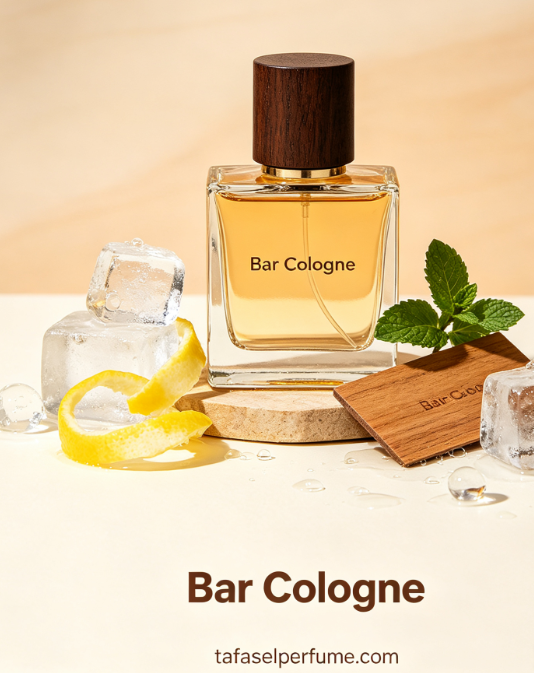
- Bar Cologne · The Velvet Architecture of Prestige & the Sillage of Unspoken Grandeur: Bar cologne is not merely a fragrance—it is a ritual, a signature, an invisible tailor-made suit. From the sharp citrus brightness to the warm, woody persistence, bar cologne captures the essence of understated confidence. It bridges the gap between timeless grooming and contemporary expression.
Bar cologne has transcended its utilitarian origins to become a cultural artefact. Rooted in the early 18th-century Eau de Cologne tradition, the modern “bar” interpretation refers to the masculine, clean, yet complex compositions often found in barbershops, gentlemen’s clubs, and contemporary fragrance libraries. It evokes fresh linens, sun-warmed citrus groves, and the subtle smoke of vetiver. This article explores the architecture of bar cologne—its notes, its evolution, its icons, and the sillage it leaves behind. We’ll navigate through classic pillars, modern twists, and the olfactory memories that define a generation. Whether you’re a collector, a novice, or a connoisseur, bar cologne offers a gateway to refined self-expression.
· Contents
1. Citrus & Neroli – The luminous overture
Bar cologne traditionally opens with a burst of sparkling citrus—bergamot, lemon, bitter orange—and the radiant glow of neroli. This overture is not simply fresh; it is invigorating, almost electric. The sharpness of citrus cuts through the air, announcing presence without aggression. Neroli, distilled from orange blossoms, adds a honeyed, slightly green floralcy that softens the acidity. In many classic bar colognes, this top note lasts just long enough to imprint a first impression, then gracefully yields to the heart. The interplay between sour and sweet, green and sunny, defines the “bar” character—clean, optimistic, and distinctly refined.
For a deeper exploration of citrus-driven masculinity, AZZARO POUR HOMME 200ML · THE ICONIC WOODY AROMATIC offers a masterclass in balancing citrus with aromatic woods.
2. Woody heart – Cedar, sandalwood & patchouli
As the citrus fades, the woody heart of bar cologne emerges. Cedarwood provides a pencil-shaving dryness, sandalwood contributes a creamy, milky smoothness, and patchouli adds an earthy, slightly chocolatey depth. This trio forms the spine of many bar colognes, giving them structure and longevity. The woody heart is where the fragrance gains substance—it feels like a well-worn leather armchair or the panelled walls of a classic library. It’s masculine without being heavy, sophisticated without being aloof. Modern perfumers often enhance this heart with ambroxan or iso e super to create a radiant, almost transparent woodiness that clings to the skin for hours.
Discover how woody elegance is reimagined in Widian Black 3 · The Velvet Architecture of Prestige, a composition that layers oud and sandalwood with remarkable finesse.
3. Spice & aromatic – Cardamom, lavender & clary sage
Spice and aromatic notes are the secret architects of bar cologne’s complexity. Cardamom brings a cool, camphorous sweetness; lavender offers a clean, herbaceous floralcy; clary sage provides a musky, amber-like warmth. Together, they create a bridge between the sharp top and the deep base. This aromatic heart is often compared to the scent of a high-end barbershop—freshly cut hair, shaving cream, and polished wood. The spices are never overwhelming; they are carefully dosed to evoke warmth and intrigue. In many niche bar colognes, these notes are paired with a touch of black pepper or nutmeg for an extra twist.
For a modern take on aromatic masculinity, Kenneth Cole Black Aftershave · The Cool Architecture of Masculine Refinement exemplifies how lavender and sage can be rendered in a contemporary idiom.
4. The barbershop accord – Fougère reimagined
The fougère (fern) accord is the archetypal barbershop fragrance structure: lavender, coumarin, and oakmoss. In bar cologne, this accord is reimagined with clean synthetic molecules and natural extracts. The result is a scent that feels both nostalgic and utterly modern. The barbershop accord evokes the ritual of a straight-razor shave, the scent of talcum powder, and the cool touch of ceramic tiles. It is a comfort scent, yet it projects confidence. Contemporary versions often replace heavy oakmoss with mossy accords or patchouli, making the fragrance lighter and more versatile. This is the olfactory equivalent of a tailored tweed jacket—timeless, reliable, and quietly distinguished.
Explore the fougère tradition in Vintage Lagerfeld Cologne · The Velvet Architecture of Aldehydic Memory, a masterpiece that bridges old-world charm and modern sensibility.
5. Modern bar cologne – Marine & mineral twists
In the last decade, bar cologne has evolved beyond the classic citrus-woody framework. Marine notes—calone, sea salt, and algae—add an aquatic freshness that feels like a coastal breeze. Mineral notes, such as flint, ambergris, or ozone, introduce a stark, almost metallic edge. These modern interpretations appeal to a younger audience seeking novelty. They are crisp, airy, and often unisex. The marine-mineral bar cologne is perfect for summer days, active lifestyles, and urban environments. It retains the clean sensuality of the original but pushes it into uncharted territory.
For a luminous example of this trend, Ocean di Gioia Perfume · the luminous marine floral demonstrates how aquatic notes can be both refreshing and sophisticated.
6. Layering & longevity – The art of wearing
Wearing bar cologne is an art. To maximize longevity, apply to pulse points—wrists, neck, behind the ears—after moisturizing. Layering with matching shower gels or deodorants enhances the sillage. Many enthusiasts also layer different bar colognes to create a custom scent: a citrus-forward base with a woody overlay, for instance. The key is to experiment and allow the fragrance to develop on your skin. Bar cologne typically has moderate projection, making it suitable for both office and evening wear. Its elegance lies in its subtlety; it should be discovered, not announced.
Enhance your layering routine with premium products from Deodorant & Antiperspirant and Mini Size & Gift Sets for a complete olfactory wardrobe.
7. Icons & cult bottles – From 4711 to contemporary niche
The history of bar cologne is marked by iconic bottles: 4711 (the original Eau de Cologne), Acqua di Parma Colonia, and more recently, Le Labo’s Santal 33 or Byredo’s Bal d’Afrique. Each represents a different era and aesthetic. The cult bottles are often characterized by distinctive packaging, high-quality ingredients, and a devoted following. Niche perfumers have reinterpreted bar cologne with unconventional notes—rhubarb, incense, or black tea—creating a new genre of “baroque cologne.” Collecting these bottles is as much about appreciating design as it is about the scent itself. These fragrances are not just perfumes; they are statements of taste and identity.
Discover more cult favourites and niche treasures at Brands and explore exclusive collections at Tafaseel.
Frequently Asked Questions about Bar Cologne
What distinguishes bar cologne from regular eau de toilette?
Bar cologne traditionally leans towards citrus and aromatic freshness with a clear woody or fougère heart. It is often lighter and more invigorating, designed for daily grooming rituals, whereas EDTs may have a broader range of olfactory families. However, the line is increasingly blurred in modern perfumery.
Can bar cologne be worn by women?
Absolutely. Many bar colognes are inherently unisex, especially contemporary formulations that emphasise clean woods, citrus, and spices. The crisp, non-sweet character appeals to all genders. Brands like Unisex Perfume offer excellent options.
How long does bar cologne typically last on the skin?
On average, 3–6 hours, depending on the concentration and skin chemistry. Citrus notes evaporate faster, while woody and amber bases linger. For extended wear, layer with a matching deodorant or apply to moisturized skin.
Is bar cologne suitable for all seasons?
Yes, but lighter, citrus-forward bar colognes are ideal for spring and summer, while spicier or woodier versions shine in autumn and winter. Many fragrance houses offer seasonal variations. Explore Men s Perfume for year-round options.
What are the key ingredients in a classic bar cologne?
Bergamot, lemon, orange, neroli, lavender, rosemary, cedarwood, vetiver, and patchouli. The classic Eau de Cologne formula from 18th-century Italy used these in varying proportions, and many bar colognes still honour that tradition.
Can I use bar cologne as an aftershave?
While bar cologne can be splashed on after shaving, it is not formulated as an aftershave (which often contains soothing agents). However, many men enjoy the brisk, cooling sensation of cologne on freshly shaven skin. For dedicated aftershaves, see Skin Care & Tools (facial).
How should I store my bar cologne?
Keep it in a cool, dark place away from direct sunlight and temperature fluctuations. A drawer or a cabinet is ideal. Proper storage can preserve the fragrance for years. Many collectors also use mini sizes for travel, available at Mini Size & Gift Sets.
What is the difference between bar cologne and Eau de Cologne?
Historically, Eau de Cologne (EDC) refers to a specific concentration (2–5% perfume oil) and the classic citrus-herbal formula from Cologne, Germany. Bar cologne is a broader category that includes modern interpretations with higher concentrations and more complex notes, often blurring the line with EDT and even EDP.


