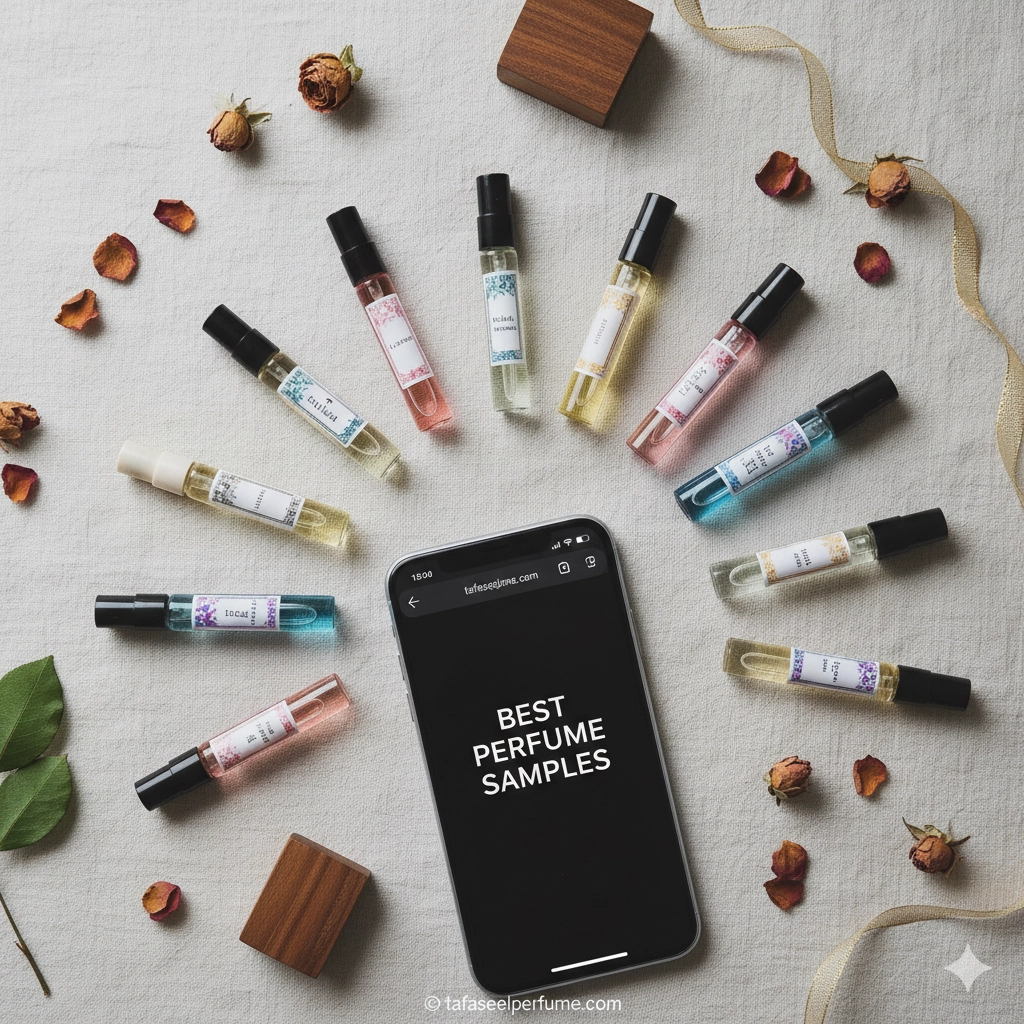
- Are These the Best Perfume Samples to Try Before You Buy?: Short intro: Sampling is the smartest way to discover what truly suits your skin and style. Before committing to a full bottle, testing a variety of perfume samples helps you avoid expensive mistakes and refine your signature scent.
Long intro: When shopping for fragrance, the difference between a perfume that smells pleasant on a paper strip and one that becomes part of your identity can be dramatic. Samples let you experience top, middle and base notes over time, how the scent evolves on your body, and whether it endures through a full day. In this guide we walk through the best kinds of perfume samples to try — from classic florals and citrus to niche oud and modern unisex blends — and give practical advice on how to evaluate each sample. We also highlight sample sources and miniature formats that deliver big insight for a small price. Throughout, pay attention to how the scent interacts with your chemistry and remember that longevity and projection are as important as the first impression.
Directory:
1. Classic Floral & Everyday Samples
Short description: Soft, wearable florals and easygoing daytime scents to test first.
2. Niche & Oud-Focused Samples
Short description: Experiment with depth — resinous woods, amber and oud that reveal complexity.
Short description: Gender-neutral compositions that work across occasions and wardrobes.
4. Budget-Friendly and Drugstore Finds
Short description: Affordable samples that punch above their price point.
5. Seasonal & Limited Edition Drops
Short description: Limited runs and holiday releases worth sampling for novelty.
Short description: Miniature formats that allow extended wear-testing without large expense.
7. How to Evaluate a Perfume Sample
Short description: A practical checklist for testing, recording impressions, and deciding.
1. Classic Floral & Everyday Samples
Detailed discussion: Classic florals — jasmine, rose, peony, orange blossom — are the starting point for many fragrance wardrobes. A sample allows you to observe whether a floral reads as powdery, soapy, dewy or green on your skin. When sampling florals, apply to pulse points and wait: the heart notes (what you perceive after 15–60 minutes) reveal the true character. Consider sampling a floral in both eau de parfum and eau de toilette concentrations if available; concentration alters longevity and sillage. Many mainstream houses and popular women s perfume lines offer sample sets that let you compare multiple floral interpretations without buying full bottles. For daily wear, prioritize samples that feel comfortable and that you can imagine wearing for long stretches — if a floral irritates or fades to an unpleasant drydown, mark it off the list.
2. Niche & Oud-Focused Samples
Detailed discussion: Niche perfumery and oud-based creations tend to be more experimental and potent. These perfumes often feature heavy base notes like resin, leather, oud and dense woods that unfold slowly. Sampling niche pieces is essential because their initial blast can be polarizing but later reveal refinement. Use blotters for first impressions then reapply to skin to judge the evolution over hours. When trying oud-focused samples, test in low concentrations first — some blends are intense and best reserved for evening wear. Keep notes on how the scent changes over time and whether the richness complements your wardrobe. High-quality niche samples may be pricier, but a single 1–2 ml vial can provide multiple meaningful wears.
3. Unisex & Modern Blends
Detailed discussion: Modern fragrance design often blurs gender lines; unisex samples highlight that trend. Unisex perfume samples range from citrus-amber fougères to green, mineral, or gourmand compositions that wear well on many skin types. When sampling unisex scents, evaluate balance — does the perfume skew sweeter, woodier, or more aromatic on you? Because these blends aim for broad appeal, they can be excellent choices for workplace-friendly or travel-friendly signatures. Try pairing a unisex sample with a contrasting one (for example, a fresh citrus and a warm amber) to see which profile resonates more across different settings.
4. Budget-Friendly and Drugstore Finds
Detailed discussion: Not every memorable fragrance costs a premium. Many accessible brands produce surprisingly refined compositions that perform well. Sampling budget-friendly lines helps you identify hidden gems and avoids the trap of assuming price equals pleasure. When testing these samples, pay attention to concentration and ingredients listed — affordable does not mean low quality, but formulations differ. A pragmatic approach is to sample several economical options, track longevity and drydown, and choose the one that offers the best combination of scent character and performance for its price. This category is particularly useful for seasonal or disposable scents you won’t wear daily.
5. Seasonal & Limited Edition Drops
Detailed discussion: Limited editions and seasonal releases capture a designer's creative impulses and often use unique accords that won't appear in core lines. Samples let you experience these ephemeral offerings without committing to high-priced limited bottles. Many collectors sample limited runs to determine whether the novelty justifies purchase. Keep in mind that some limited editions are reformulations or concentrated facelifts of existing perfumes; sampling reveals whether the change improves or diminishes the original. If a sample becomes a favorite, consider buying a mini or exploring the brand’s core offerings for a longer-term option.
6. Travel & Mini Sizes
Detailed discussion: Mini sizes and travel sprays provide the best of both worlds: extended real-world testing with minimal investment. Rather than a single blotter sniff, minis allow you to wear the fragrance in different climates and routines. Mini formats are ideal when you need to test longevity through a full workday, a date night, or a travel day. Many retailers and perfumeries sell curated mini sets grouped by theme (florals, gourmands, fresh) — these sets are valuable sampling tools that can quickly clarify your preferences. If you find a mini that performs exceptionally well, you have direct evidence a full bottle is likely to be worthwhile. See curated collections under Mini Size & Gift Sets for inspiration.
7. How to Evaluate a Perfume Sample
Detailed discussion: Testing a sample systematically ensures you make informed choices. Create a simple checklist: (1) Note the time of application and immediate impressions; (2) Record changes at 15 minutes, 1 hour, 3 hours, and 8 hours; (3) Judge projection (how far the scent travels) and longevity (how long it lasts); (4) Consider context — is it work-appropriate, evening-ready, or a seasonal fit? Keep a log of favorites and cross-reference them with brands and rankings to spot patterns in what you like. If you’re sampling to build a collection, diversify categories — a fresh daytime scent, a warm evening option, and a dependable signature. For curated recommendations and top lists, consult brand guides and Ranking pages and detailed reviews on the Perfume section.
Concluding lead-in: Sampling is both a science and an art: deliberate testing combined with open-minded exploration will lead you to scents that feel intentional and true. Use samples to map your preferences across categories and brands, and lean on mini sets and curated rankings when you need direction. Above all, prioritize how a perfume evolves on your skin — that personal chemistry is the final arbiter of whether a sample is worth transforming into a full bottle.


