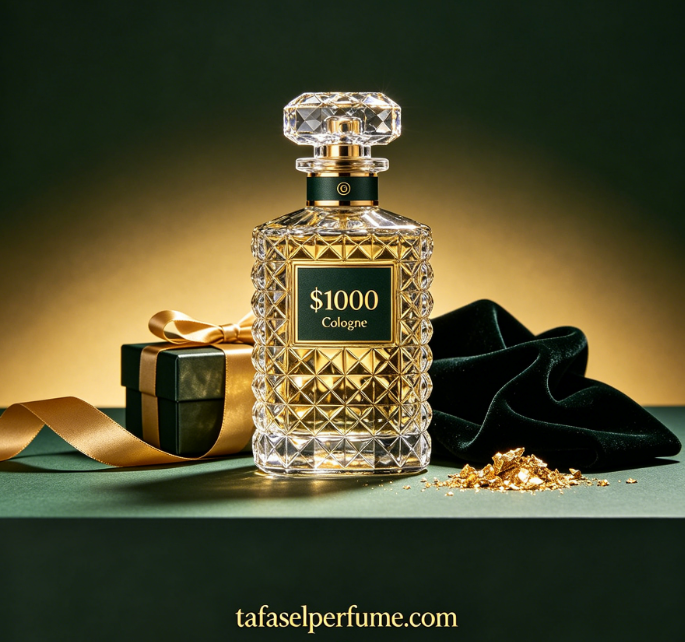
- $1000 Cologne · The Olfactory Architecture of Ultimate Prestige: ✦ short insight: A thousand‑dollar fragrance is not merely a scent — it is an olfactory manifesto, a liquid heirloom forged from rare absolutes and the artistry of master perfumers.
1. The alchemy of rare absolutes
Small description: At the heart of every $1000 cologne lies an orchestra of ingredients that are measured in drops, not milliliters — each one a precious relic of nature or a masterpiece of synthesis.
Long‑form exploration: The olfactory architecture of a thousand‑dollar fragrance begins with the raw materials. Think of Oud Mood Roll On · The Liquid Soul of the East — the resinous, smoky depth of aged agarwood that can cost more than gold. In a $1000 cologne, the perfumer does not dilute; they concentrate. Italian bergamot, hand‑picked and cold‑pressed; Tunisian orange blossom absolute that takes a ton of petals for a single ounce; or the legendary orris butter that requires a decade of maturation. These are not mere notes — they are pillars of an olfactory cathedral. The composition is a paradox: it must be both transparent and monumental, fleeting yet eternal. Each ingredient is chosen for its ability to evolve on the skin, revealing a different facet with every hour. This is why a $1000 cologne never screams; it whispers, and that whisper demands attention.
Moreover, the artistry lies in the balance. A single drop of synthetic civet or ambergris tincture can anchor the entire structure, while a whisper of violet leaf or saffron lifts the composition into the realm of the ethereal. The longevity of these fragrances is legendary — often lasting 12 to 24 hours, because the molecules are dense, complex, and designed to unfold like a slow‑motion symphony. For the connoisseur, wearing such a scent is an act of reverence, a daily ritual that connects them to the history of perfumery itself.
2. The bottle as a sculpture of desire
Small description: The vessel is never an afterthought — it is the first act of seduction, a tactile and visual masterpiece that echoes the liquid inside.
Long‑form exploration: When you hold a $1000 cologne, you hold more than fragrance; you hold a piece of art. The bottle is often crafted by the same ateliers that produce luxury crystal and glassware for royal houses. Heavy, faceted, and engraved with gold or palladium, these bottles are designed to be kept, refilled, and passed down. Consider the iconic flacons of Alien de Thierry Mugler · The Olfactory Architecture of Ethereal Otherness — a prismatic jewel that captures light as intensely as the fragrance captures emotion. The cap is often a magnetised sculpture, a signature of the house. Every detail, from the weight of the glass to the precision of the spray mechanism, is engineered to elevate the ritual. The box itself is a keepsake, lined with velvet or silk, and often accompanied by a booklet that tells the story of the perfume’s creation. In this realm, the bottle is a symbol of the wearer’s discernment — a piece of functional sculpture that resides on a dressing table as a daily reminder of beauty and rarity.
3. The silent language of prestige
Small description: A $1000 cologne does not announce itself — it leaves an indelible imprint that is felt, not shouted. It is the fragrance of those who understand that true luxury is understatement.
Long‑form exploration: In a world where logos and labels scream for attention, the $1000 cologne operates on a different plane. It is the olfactory equivalent of a bespoke suit or a vintage Patek Philippe — it communicates sophistication without a single word. The sillage is intimate, a private aura that only those close enough can fully appreciate. This is not a fragrance for the crowd; it is for the one who wears it and the few who are granted proximity. The notes are often unconventional: smoky tea, leather, incense, or mineral salt — elements that evoke memory rather than trend. Brands that create these masterpieces, such as Homme Prada Parfum · The Olfactory Architecture of Timeless Masculinity, understand that prestige is built on restraint. The wearer is not seeking validation; they are affirming their own inner world. This silent language is what makes the $1000 cologne a true investment in identity, a liquid signature that becomes synonymous with the person who wears it.
4. Oud, ambergris, and the soul of the East
Small description: The most precious raw materials often come from the Orient — oud, ambergris, and rare resins that have been prized for millennia, and they form the backbone of many $1000 colognes.
Long‑form exploration: Oud, or agarwood, is often called “liquid gold.” It is the result of a fungal infection in the heartwood of the Aquilaria tree, and its resin is dark, complex, and utterly hypnotic. In a $1000 cologne, the oud is not a supporting player; it is the protagonist. It can be smoky, leathery, fruity, or even medicinal, depending on its origin — from the pristine forests of Assam to the humid jungles of Vietnam. Ambergris, another cornerstone, is a rare secretion from sperm whales that floats in the ocean for decades, mellowing into a sweet, marine, and slightly animalic note. Its use in high perfumery is strictly regulated, making it even more exclusive. These materials are often paired with rose, saffron, or patchouli to create a rich tapestry that is both ancient and modern. Wild Musk Perfume by Coty · The Olfactory Architecture of Uninhibited Freedom reminds us that even musk, in its purest form, can evoke the primal essence of the East. The result is a scent that transports the wearer to souks, palaces, and sacred temples — a journey that is worth every penny.
5. The ritual of application
Small description: Wearing a $1000 cologne is not a quick spray; it is a ceremony that engages all the senses, from the moment you uncap the flacon to the final dry‑down.
Long‑form exploration: The ritual begins with the anticipation. You hold the heavy bottle, feel its cool surface, and slowly twist the cap. The first scent that escapes is the top note — a fleeting whisper of citrus or spice that prepares the palate for the heart. Then comes the application: a single spray on the pulse points, never more. Some connoisseurs prefer to spray on the chest, allowing the fragrance to rise gently with body heat; others favor the inner elbow, where the skin is thin and the molecules can develop slowly. The ritual is deliberate, meditative. As the fragrance evolves, it tells a story — from the bright, effervescent opening to the deep, woody base that lingers for hours. This ritual is a form of self‑care, a moment of pause in a chaotic world. It is also a nod to the tradition of perfumery, where application was once a social act, a shared experience between the wearer and the bottle. In this sense, the $1000 cologne is not just a product; it is an invitation to slow down, to appreciate the beauty of the moment.
6. Investment, not expense
Small description: A $1000 cologne is a long‑term investment in your personal brand, your mood, and your legacy — it is the antithesis of fast fragrance.
Long‑form exploration: In an era of disposable goods, the $1000 cologne stands as a testament to permanence. Its price reflects the time, expertise, and rare materials that go into its creation. But beyond the material cost, it is an investment in confidence. When you wear a fragrance of this caliber, you are telling the world that you value quality over quantity, nuance over noise. It is a fragrance that can become your signature — one that people will remember and associate with you for years. Many of these scents are limited editions or part of exclusive collections, making them potential heirlooms. Some collectors even view them as alternative assets, as certain discontinued bottles can appreciate in value. But the true return on investment is intangible: the way it makes you feel, the memories it creates, and the silent power it bestows. As the most prestigious fragrance houses continue to push the boundaries of olfactory art, the $1000 cologne remains the ultimate expression of individuality — a masterpiece that you wear, not just apply.
frequently asked questions
Absolutely — if you value artistry, rarity, and longevity. These fragrances use the highest concentration of natural absolutes and synthetics that often cost thousands per pound. They last longer, project more elegantly, and offer a complexity that mass‑market scents cannot replicate.
Most luxury extraits and parfums can last 12 to 24 hours, with some oud‑heavy compositions lingering even longer. The key is the high oil concentration (often 25‑40%) and the use of fixatives like ambergris or labdanum that anchor the volatile molecules.
Yes, many of the most prestigious fragrances are intentionally unisex, blurring the lines between masculine and feminine. They focus on texture and emotion rather than gendered marketing — think smoky woods, incense, and leather.
Pulse points are classic: inside wrists, behind the ears, and at the base of the throat. For a more intimate sillage, apply to the chest or the inner elbows. Avoid rubbing, as it breaks the delicate molecules.
Layering is possible but often not recommended, as these scents are complete compositions. However, some perfumers design complementary body oils or lotions that enhance the main fragrance without altering its integrity.
Many limited‑edition or vintage bottles can appreciate significantly, especially if they are discontinued. Proper storage (cool, dark, and away from humidity) is essential to preserve the juice and the bottle itself.
You’ll often encounter oud, ambergris, iris, natural rose, saffron, and rare woods like sandalwood or guaiac. These are complemented by clean synthetic molecules that enhance diffusion and longevity.
Beyond the raw materials, the difference lies in the concentration, the maturation time, and the perfumer’s creative freedom. A $1000 fragrance often takes months or years to develop, while mass‑market scents are designed for speed and commercial appeal.
Yes — many niche houses prioritize sustainable sourcing of raw materials, especially oud and rose. Some even use synthetic bio‑identical molecules to reduce environmental impact without compromising quality.
For a first venture, look for a balanced composition with citrus or spicy top notes, a floral or leather heart, and a warm woody base. Brands like Creed, Roja, or Amouage offer entry‑level extraits that are both approachable and complex.
miu miu miu miu · the echo of a fragrance whisper ⋆ Juicy Couture Tote · The velour revival ⋆ Zestful Elegance · lemon scent ⋆ Billie Eilish No. 1 ⋆ Ranking ⋆ Tafaseel ⋆ Perfume articles
© 2026 · the architecture of $1000 cologne — a liquid manifesto.


